Michele Maddalo, Maddalena Petraroli, Francesca Ormitti, Alice Fulgoni, Margherita Gnocchi, Marco Masetti, Eugenia Borgia, Benedetta Piccolo, Emanuela C Turco, Viviana D Patianna, Nicola Sverzellati, Susanna Esposito, Caterina Ghetti, Maria E Street
{"title":"基于磁共振成像的脑垂体放射组学高度预测女孩性早熟:一项初步研究。","authors":"Michele Maddalo, Maddalena Petraroli, Francesca Ormitti, Alice Fulgoni, Margherita Gnocchi, Marco Masetti, Eugenia Borgia, Benedetta Piccolo, Emanuela C Turco, Viviana D Patianna, Nicola Sverzellati, Susanna Esposito, Caterina Ghetti, Maria E Street","doi":"10.3389/fendo.2025.1496554","DOIUrl":null,"url":null,"abstract":"<p><strong>Background: </strong>The aim of the study was to explore a radiomic model that could assist physicians in the diagnosis of central precocious puberty (CPP). A predictive model based on radiomic features (RFs), extracted form magnetic resonance imaging (MRI) of the pituitary gland, was thus developed to distinguish between CPP and control subjects.</p><p><strong>Methods: </strong>45 girls with confirmed diagnosis of CPP (CA:8.4 ± 0.9 yr) according to the current criteria and 47 age-matched pre-pubertal control subjects (CA:8.7 ± 1.2 yr) were retrospectively enrolled. Two readers (R1, R2) blindly segmented the pituitary gland on MRI studies for RFs and performed a manual estimation of the pituitary volume. Radiomics was compared against pituitary volume in terms of predictive performances (metrics: ROC-AUC, accuracy, sensitivity and specificity) and reliability (metric: intraclass correlation coefficient, ICC). Pearson correlation between RFs and auxological, biochemical, and ultrasound data was also computed.</p><p><strong>Results: </strong>Two different radiomic parameters, Shape Surface Volume Ratio and Glrlm Gray Level Non-Uniformity, predicted CPP with a high diagnostic accuracy (ROC-AUC 0.81 ± 0.08) through the application of our ML algorithm. Anthropometric variables were not confounding factors of these RFs suggesting that premature thelarche and/or pubarche would not be potentially misclassified. The selected RFs correlated with baseline and peak LH (p < 0.05) after GnRH stimulation. The diagnostic sensitivity was improved compared to pituitary volume only (0.76 versus 0.68, p<0.001) and demonstrated higher inter-reader reliability (ICC>0.57 versus ICC=0.46).</p><p><strong>Discussion: </strong>Radiomics is a promising tool to diagnose CPP as it reflects also functional aspects. Further studies are warranted to validate these preliminary data.</p>","PeriodicalId":12447,"journal":{"name":"Frontiers in Endocrinology","volume":"16 ","pages":"1496554"},"PeriodicalIF":4.6000,"publicationDate":"2025-02-05","publicationTypes":"Journal Article","fieldsOfStudy":null,"isOpenAccess":false,"openAccessPdf":"https://www.ncbi.nlm.nih.gov/pmc/articles/PMC11835667/pdf/","citationCount":"0","resultStr":"{\"title\":\"Magnetic resonance imaging -based radiomics of the pituitary gland is highly predictive of precocious puberty in girls: a pilot study.\",\"authors\":\"Michele Maddalo, Maddalena Petraroli, Francesca Ormitti, Alice Fulgoni, Margherita Gnocchi, Marco Masetti, Eugenia Borgia, Benedetta Piccolo, Emanuela C Turco, Viviana D Patianna, Nicola Sverzellati, Susanna Esposito, Caterina Ghetti, Maria E Street\",\"doi\":\"10.3389/fendo.2025.1496554\",\"DOIUrl\":null,\"url\":null,\"abstract\":\"<p><strong>Background: </strong>The aim of the study was to explore a radiomic model that could assist physicians in the diagnosis of central precocious puberty (CPP). A predictive model based on radiomic features (RFs), extracted form magnetic resonance imaging (MRI) of the pituitary gland, was thus developed to distinguish between CPP and control subjects.</p><p><strong>Methods: </strong>45 girls with confirmed diagnosis of CPP (CA:8.4 ± 0.9 yr) according to the current criteria and 47 age-matched pre-pubertal control subjects (CA:8.7 ± 1.2 yr) were retrospectively enrolled. Two readers (R1, R2) blindly segmented the pituitary gland on MRI studies for RFs and performed a manual estimation of the pituitary volume. Radiomics was compared against pituitary volume in terms of predictive performances (metrics: ROC-AUC, accuracy, sensitivity and specificity) and reliability (metric: intraclass correlation coefficient, ICC). Pearson correlation between RFs and auxological, biochemical, and ultrasound data was also computed.</p><p><strong>Results: </strong>Two different radiomic parameters, Shape Surface Volume Ratio and Glrlm Gray Level Non-Uniformity, predicted CPP with a high diagnostic accuracy (ROC-AUC 0.81 ± 0.08) through the application of our ML algorithm. Anthropometric variables were not confounding factors of these RFs suggesting that premature thelarche and/or pubarche would not be potentially misclassified. The selected RFs correlated with baseline and peak LH (p < 0.05) after GnRH stimulation. The diagnostic sensitivity was improved compared to pituitary volume only (0.76 versus 0.68, p<0.001) and demonstrated higher inter-reader reliability (ICC>0.57 versus ICC=0.46).</p><p><strong>Discussion: </strong>Radiomics is a promising tool to diagnose CPP as it reflects also functional aspects. Further studies are warranted to validate these preliminary data.</p>\",\"PeriodicalId\":12447,\"journal\":{\"name\":\"Frontiers in Endocrinology\",\"volume\":\"16 \",\"pages\":\"1496554\"},\"PeriodicalIF\":4.6000,\"publicationDate\":\"2025-02-05\",\"publicationTypes\":\"Journal Article\",\"fieldsOfStudy\":null,\"isOpenAccess\":false,\"openAccessPdf\":\"https://www.ncbi.nlm.nih.gov/pmc/articles/PMC11835667/pdf/\",\"citationCount\":\"0\",\"resultStr\":null,\"platform\":\"Semanticscholar\",\"paperid\":null,\"PeriodicalName\":\"Frontiers in Endocrinology\",\"FirstCategoryId\":\"3\",\"ListUrlMain\":\"https://doi.org/10.3389/fendo.2025.1496554\",\"RegionNum\":2,\"RegionCategory\":\"医学\",\"ArticlePicture\":[],\"TitleCN\":null,\"AbstractTextCN\":null,\"PMCID\":null,\"EPubDate\":\"2025/1/1 0:00:00\",\"PubModel\":\"eCollection\",\"JCR\":\"Q2\",\"JCRName\":\"ENDOCRINOLOGY & METABOLISM\",\"Score\":null,\"Total\":0}","platform":"Semanticscholar","paperid":null,"PeriodicalName":"Frontiers in Endocrinology","FirstCategoryId":"3","ListUrlMain":"https://doi.org/10.3389/fendo.2025.1496554","RegionNum":2,"RegionCategory":"医学","ArticlePicture":[],"TitleCN":null,"AbstractTextCN":null,"PMCID":null,"EPubDate":"2025/1/1 0:00:00","PubModel":"eCollection","JCR":"Q2","JCRName":"ENDOCRINOLOGY & METABOLISM","Score":null,"Total":0}
引用次数: 0
摘要
背景:本研究的目的是探索一种能够帮助医生诊断中枢性性性早熟(CPP)的放射学模型。因此,基于脑垂体磁共振成像(MRI)提取的放射特征(rf)的预测模型被开发用于区分CPP和对照受试者。方法:回顾性纳入45例确诊为CPP的女孩(CA:8.4±0.9 yr)和47例年龄匹配的青春期前对照(CA:8.7±1.2 yr)。两名读者(R1, R2)在MRI研究中盲目分割垂体以进行RFs,并对垂体体积进行人工估计。将放射组学与垂体体积在预测性能(指标:ROC-AUC,准确性,敏感性和特异性)和可靠性(指标:类内相关系数,ICC)方面进行比较。还计算了RFs与生理、生化和超声数据之间的Pearson相关性。结果:不同的放射学参数形状表面体积比和Glrlm灰度非均匀性预测CPP具有较高的诊断准确率(ROC-AUC 0.81±0.08)。人体测量变量不是这些RFs的混杂因素,这表明过早的研究和/或出版不会被潜在的错误分类。所选RFs与GnRH刺激后基线和LH峰值相关(p < 0.05)。与仅垂体体积相比,诊断敏感性提高(0.76 vs 0.68, p0.57 vs ICC=0.46)。讨论:放射组学是一种很有前途的诊断CPP的工具,因为它也反映了功能方面。需要进一步的研究来验证这些初步数据。
Magnetic resonance imaging -based radiomics of the pituitary gland is highly predictive of precocious puberty in girls: a pilot study.
Background: The aim of the study was to explore a radiomic model that could assist physicians in the diagnosis of central precocious puberty (CPP). A predictive model based on radiomic features (RFs), extracted form magnetic resonance imaging (MRI) of the pituitary gland, was thus developed to distinguish between CPP and control subjects.
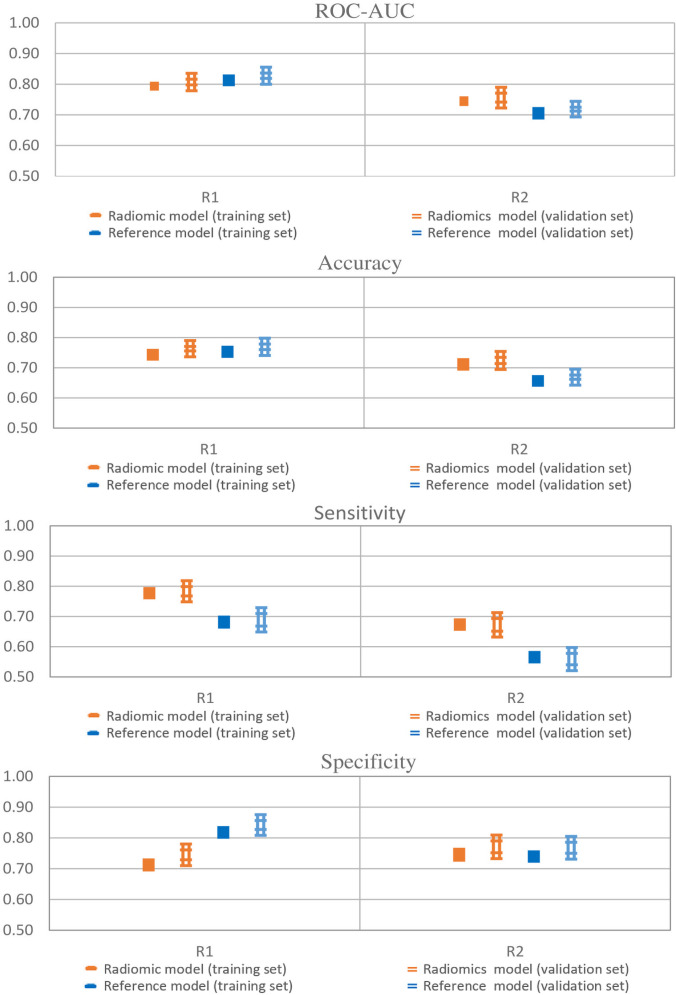
Methods: 45 girls with confirmed diagnosis of CPP (CA:8.4 ± 0.9 yr) according to the current criteria and 47 age-matched pre-pubertal control subjects (CA:8.7 ± 1.2 yr) were retrospectively enrolled. Two readers (R1, R2) blindly segmented the pituitary gland on MRI studies for RFs and performed a manual estimation of the pituitary volume. Radiomics was compared against pituitary volume in terms of predictive performances (metrics: ROC-AUC, accuracy, sensitivity and specificity) and reliability (metric: intraclass correlation coefficient, ICC). Pearson correlation between RFs and auxological, biochemical, and ultrasound data was also computed.
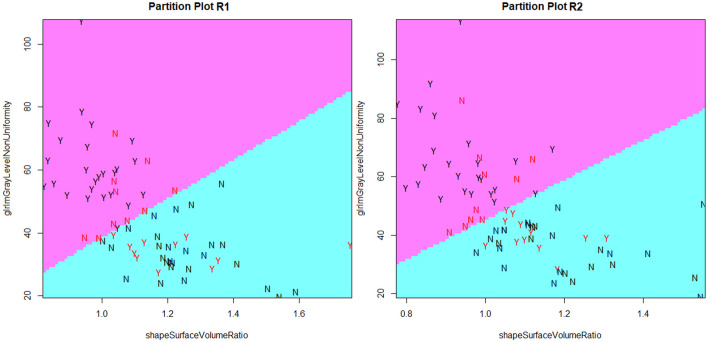
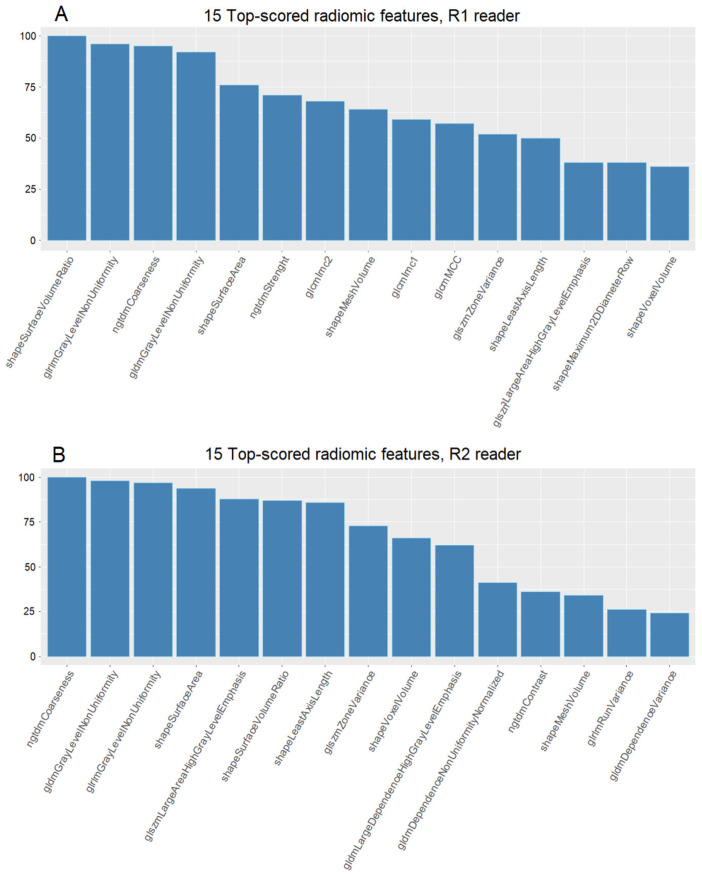
Results: Two different radiomic parameters, Shape Surface Volume Ratio and Glrlm Gray Level Non-Uniformity, predicted CPP with a high diagnostic accuracy (ROC-AUC 0.81 ± 0.08) through the application of our ML algorithm. Anthropometric variables were not confounding factors of these RFs suggesting that premature thelarche and/or pubarche would not be potentially misclassified. The selected RFs correlated with baseline and peak LH (p < 0.05) after GnRH stimulation. The diagnostic sensitivity was improved compared to pituitary volume only (0.76 versus 0.68, p<0.001) and demonstrated higher inter-reader reliability (ICC>0.57 versus ICC=0.46).
Discussion: Radiomics is a promising tool to diagnose CPP as it reflects also functional aspects. Further studies are warranted to validate these preliminary data.
期刊介绍:
Frontiers in Endocrinology is a field journal of the "Frontiers in" journal series.
In today’s world, endocrinology is becoming increasingly important as it underlies many of the challenges societies face - from obesity and diabetes to reproduction, population control and aging. Endocrinology covers a broad field from basic molecular and cellular communication through to clinical care and some of the most crucial public health issues. The journal, thus, welcomes outstanding contributions in any domain of endocrinology.
Frontiers in Endocrinology publishes articles on the most outstanding discoveries across a wide research spectrum of Endocrinology. The mission of Frontiers in Endocrinology is to bring all relevant Endocrinology areas together on a single platform.




 京公网安备 11010802042870号
京ICP备2023020795号-1
京公网安备 11010802042870号
京ICP备2023020795号-1

 分享
分享
 求助内容:
求助内容: 应助结果提醒方式:
 扫码关注我们
