{"title":"医学生的学业弹性:探索学生对同伴和教师提供的社会支持的感知,以帮助有风险的学生成功完成学业。","authors":"Sabeen Saad, Shabana Ali","doi":"10.1186/s12909-025-06858-9","DOIUrl":null,"url":null,"abstract":"<p><strong>Background: </strong>Medical students are at risk of developing depression and burnout; particularly vulnerable are the first-year students. The COVID pandemic has reemphasized the need for assessing and teaching resilience strategies to the students to promote well-being and develop help-seeking attitudes so that they could work better in a collaborative environment.</p><p><strong>Aim of the study: </strong>To determine the level of resilience in private medical and dental colleges and explore perceptions of students regarding social support provided by peers and teachers in achieving resilience.</p><p><strong>Method: </strong>A mixed-methods (sequential explanatory design) study was done at Islamic International Medical and Dental College (Riphah international university) after securing ethical approval from institutional review committee (IRC). To measure resilience, the health professional resilience scale (MeRS) was used, and scores were compared between male/female and 1st and 2nd year Bachelor of Medicine and Bachelor of Surgery/Bachelor of Dental Surgery (MBBS/BDS). A total of three hundred (n = 300) students were contacted. An independent sample T-test was applied to compare the means of the four domains. A Chi-squared test was used to compare the frequency distribution of different categories and between BDS/MBBS and M/FM students. In the 2nd phase, we explored the perception of social support and the role of teachers and peers using the \"perceived social support (PSS)\" parameter. Twelve students were selected for interviews. Data was analysed using a thematic analytic approach.</p><p><strong>Results: </strong>The Global resilience score was (mean = 116.37 ± 14.12) an established/moderate level of resilience. The difference between MBBS and BDS was not significant (p-value 0.695). Most students scored highest in the growth domain (exceptional category) and lowest in the resourceful domain (established category). They relied on all domains of perceived social support on peers. They expected better emotional support from teachers. The \"low resilient\" students were mostly found to make social connections difficult as compared to \"high resilient\" students. Females were particularly identified as being at risk of burnout.</p><p><strong>Conclusion: </strong>Our study participants were found to have a moderate level of resilience. They have borderline help-seeking attitudes, and the particularly vulnerable population was females. Students expected different support from peers and teachers.</p>","PeriodicalId":51234,"journal":{"name":"BMC Medical Education","volume":"25 1","pages":"271"},"PeriodicalIF":3.2000,"publicationDate":"2025-02-19","publicationTypes":"Journal Article","fieldsOfStudy":null,"isOpenAccess":false,"openAccessPdf":"https://www.ncbi.nlm.nih.gov/pmc/articles/PMC11841297/pdf/","citationCount":"0","resultStr":"{\"title\":\"Academic resilience in medical students: exploring students' perception of social support provided by peers and teachers to help at-risk students for the successful academic journey.\",\"authors\":\"Sabeen Saad, Shabana Ali\",\"doi\":\"10.1186/s12909-025-06858-9\",\"DOIUrl\":null,\"url\":null,\"abstract\":\"<p><strong>Background: </strong>Medical students are at risk of developing depression and burnout; particularly vulnerable are the first-year students. The COVID pandemic has reemphasized the need for assessing and teaching resilience strategies to the students to promote well-being and develop help-seeking attitudes so that they could work better in a collaborative environment.</p><p><strong>Aim of the study: </strong>To determine the level of resilience in private medical and dental colleges and explore perceptions of students regarding social support provided by peers and teachers in achieving resilience.</p><p><strong>Method: </strong>A mixed-methods (sequential explanatory design) study was done at Islamic International Medical and Dental College (Riphah international university) after securing ethical approval from institutional review committee (IRC). To measure resilience, the health professional resilience scale (MeRS) was used, and scores were compared between male/female and 1st and 2nd year Bachelor of Medicine and Bachelor of Surgery/Bachelor of Dental Surgery (MBBS/BDS). A total of three hundred (n = 300) students were contacted. An independent sample T-test was applied to compare the means of the four domains. A Chi-squared test was used to compare the frequency distribution of different categories and between BDS/MBBS and M/FM students. In the 2nd phase, we explored the perception of social support and the role of teachers and peers using the \\\"perceived social support (PSS)\\\" parameter. Twelve students were selected for interviews. Data was analysed using a thematic analytic approach.</p><p><strong>Results: </strong>The Global resilience score was (mean = 116.37 ± 14.12) an established/moderate level of resilience. The difference between MBBS and BDS was not significant (p-value 0.695). Most students scored highest in the growth domain (exceptional category) and lowest in the resourceful domain (established category). They relied on all domains of perceived social support on peers. They expected better emotional support from teachers. The \\\"low resilient\\\" students were mostly found to make social connections difficult as compared to \\\"high resilient\\\" students. Females were particularly identified as being at risk of burnout.</p><p><strong>Conclusion: </strong>Our study participants were found to have a moderate level of resilience. They have borderline help-seeking attitudes, and the particularly vulnerable population was females. Students expected different support from peers and teachers.</p>\",\"PeriodicalId\":51234,\"journal\":{\"name\":\"BMC Medical Education\",\"volume\":\"25 1\",\"pages\":\"271\"},\"PeriodicalIF\":3.2000,\"publicationDate\":\"2025-02-19\",\"publicationTypes\":\"Journal Article\",\"fieldsOfStudy\":null,\"isOpenAccess\":false,\"openAccessPdf\":\"https://www.ncbi.nlm.nih.gov/pmc/articles/PMC11841297/pdf/\",\"citationCount\":\"0\",\"resultStr\":null,\"platform\":\"Semanticscholar\",\"paperid\":null,\"PeriodicalName\":\"BMC Medical Education\",\"FirstCategoryId\":\"3\",\"ListUrlMain\":\"https://doi.org/10.1186/s12909-025-06858-9\",\"RegionNum\":2,\"RegionCategory\":\"医学\",\"ArticlePicture\":[],\"TitleCN\":null,\"AbstractTextCN\":null,\"PMCID\":null,\"EPubDate\":\"\",\"PubModel\":\"\",\"JCR\":\"Q1\",\"JCRName\":\"EDUCATION & EDUCATIONAL RESEARCH\",\"Score\":null,\"Total\":0}","platform":"Semanticscholar","paperid":null,"PeriodicalName":"BMC Medical Education","FirstCategoryId":"3","ListUrlMain":"https://doi.org/10.1186/s12909-025-06858-9","RegionNum":2,"RegionCategory":"医学","ArticlePicture":[],"TitleCN":null,"AbstractTextCN":null,"PMCID":null,"EPubDate":"","PubModel":"","JCR":"Q1","JCRName":"EDUCATION & EDUCATIONAL RESEARCH","Score":null,"Total":0}
Academic resilience in medical students: exploring students' perception of social support provided by peers and teachers to help at-risk students for the successful academic journey.
Background: Medical students are at risk of developing depression and burnout; particularly vulnerable are the first-year students. The COVID pandemic has reemphasized the need for assessing and teaching resilience strategies to the students to promote well-being and develop help-seeking attitudes so that they could work better in a collaborative environment.
Aim of the study: To determine the level of resilience in private medical and dental colleges and explore perceptions of students regarding social support provided by peers and teachers in achieving resilience.
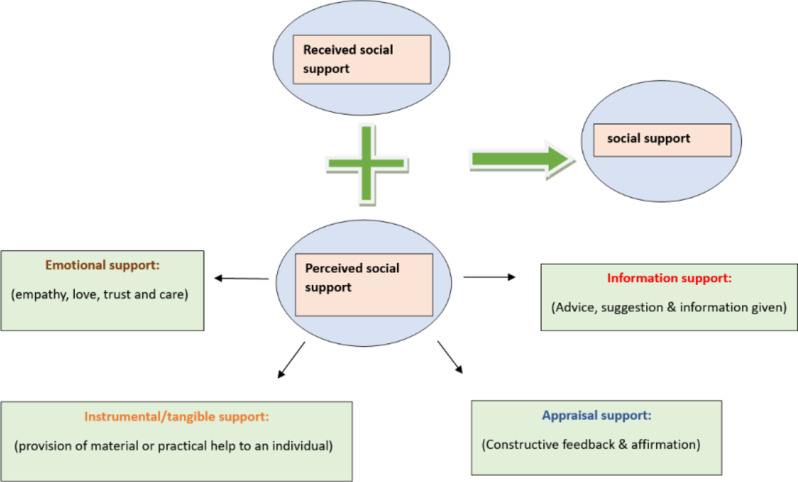
Method: A mixed-methods (sequential explanatory design) study was done at Islamic International Medical and Dental College (Riphah international university) after securing ethical approval from institutional review committee (IRC). To measure resilience, the health professional resilience scale (MeRS) was used, and scores were compared between male/female and 1st and 2nd year Bachelor of Medicine and Bachelor of Surgery/Bachelor of Dental Surgery (MBBS/BDS). A total of three hundred (n = 300) students were contacted. An independent sample T-test was applied to compare the means of the four domains. A Chi-squared test was used to compare the frequency distribution of different categories and between BDS/MBBS and M/FM students. In the 2nd phase, we explored the perception of social support and the role of teachers and peers using the "perceived social support (PSS)" parameter. Twelve students were selected for interviews. Data was analysed using a thematic analytic approach.
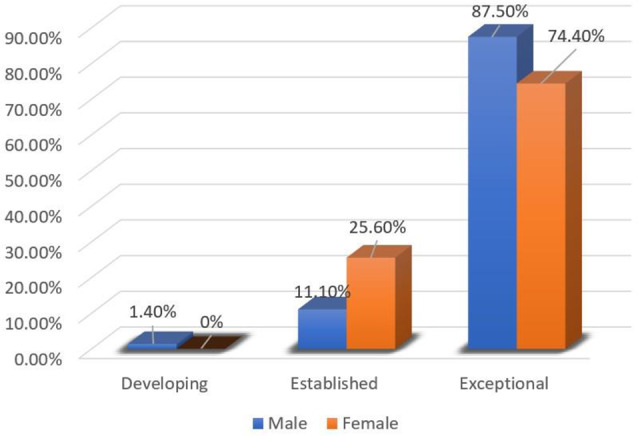
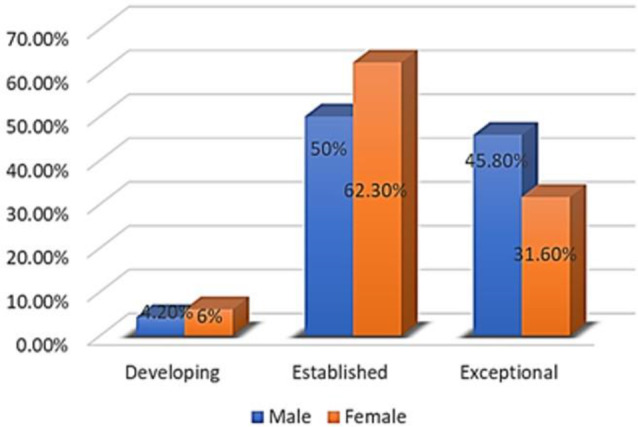
Results: The Global resilience score was (mean = 116.37 ± 14.12) an established/moderate level of resilience. The difference between MBBS and BDS was not significant (p-value 0.695). Most students scored highest in the growth domain (exceptional category) and lowest in the resourceful domain (established category). They relied on all domains of perceived social support on peers. They expected better emotional support from teachers. The "low resilient" students were mostly found to make social connections difficult as compared to "high resilient" students. Females were particularly identified as being at risk of burnout.
Conclusion: Our study participants were found to have a moderate level of resilience. They have borderline help-seeking attitudes, and the particularly vulnerable population was females. Students expected different support from peers and teachers.
期刊介绍:
BMC Medical Education is an open access journal publishing original peer-reviewed research articles in relation to the training of healthcare professionals, including undergraduate, postgraduate, and continuing education. The journal has a special focus on curriculum development, evaluations of performance, assessment of training needs and evidence-based medicine.




 京公网安备 11010802042870号
京ICP备2023020795号-1
京公网安备 11010802042870号
京ICP备2023020795号-1

 分享
分享
 求助内容:
求助内容: 应助结果提醒方式:
 扫码关注我们
