Nicole Laurent, Erin L Bellamy, Katherine A Tague, Donika Hristova, Ally Houston
{"title":"生酮代谢治疗精神分裂情感性障碍:精神病症状缓解和情绪恢复的回顾性病例系列。","authors":"Nicole Laurent, Erin L Bellamy, Katherine A Tague, Donika Hristova, Ally Houston","doi":"10.3389/fnut.2025.1506304","DOIUrl":null,"url":null,"abstract":"<p><strong>Background: </strong>Schizoaffective disorder is a severe psychiatric condition characterized by mood disturbances and psychotic symptoms. Standard treatments, primarily pharmacological, often fail to control symptoms fully and can lead to significant metabolic side effects. Emerging evidence suggests that ketogenic metabolic therapy (KMT), also known as the ketogenic diet, may offer a powerful alternative to conventional treatments for mood components and resolve psychiatric symptoms in patients with schizoaffective disorder.</p><p><strong>Methods: </strong>This case series investigates the effects of KMT on two individuals diagnosed with schizoaffective disorder who pursued this therapy due to the ineffectiveness of conventional treatments. Both case presentations followed a modified ketogenic diet with medical oversight. Symptom changes in mood were assessed using validated tools, including the Generalized Anxiety Disorder-7 (GAD-7), Depression Anxiety Stress Scales (DASS-42), PTSD Checklist for DSM-5 (PCL-5), and Patient Health Questionnaire-9 (PHQ-9).</p><p><strong>Results: </strong>Both case presentations experienced the complete cessation of psychotic symptoms and improvements in mood. Case 1, a 17-year-old female, achieved full remission of severe suicidal ideation, hallucinations, and anxiety within 6 weeks, with sustained improvements at a 24-week follow-up. Case 2, a 32-year-old female, achieved full remission of chronic psychotic and mood symptoms by 6 months. Patients either achieved full psychiatric deprescription or were in the process of deprescription at time of follow-up.</p><p><strong>Conclusion: </strong>This case series demonstrates that ketogenic metabolic therapy can resolve chronic psychotic and mood symptoms in patients with schizoaffective disorder, leading to full remission and significant functional recovery and reported improvements in quality of life that extend beyond symptom control with standard of care interventions.</p>","PeriodicalId":12473,"journal":{"name":"Frontiers in Nutrition","volume":"12 ","pages":"1506304"},"PeriodicalIF":4.0000,"publicationDate":"2025-02-07","publicationTypes":"Journal Article","fieldsOfStudy":null,"isOpenAccess":false,"openAccessPdf":"https://www.ncbi.nlm.nih.gov/pmc/articles/PMC11844221/pdf/","citationCount":"0","resultStr":"{\"title\":\"Ketogenic metabolic therapy for schizoaffective disorder: a retrospective case series of psychotic symptom remission and mood recovery.\",\"authors\":\"Nicole Laurent, Erin L Bellamy, Katherine A Tague, Donika Hristova, Ally Houston\",\"doi\":\"10.3389/fnut.2025.1506304\",\"DOIUrl\":null,\"url\":null,\"abstract\":\"<p><strong>Background: </strong>Schizoaffective disorder is a severe psychiatric condition characterized by mood disturbances and psychotic symptoms. Standard treatments, primarily pharmacological, often fail to control symptoms fully and can lead to significant metabolic side effects. Emerging evidence suggests that ketogenic metabolic therapy (KMT), also known as the ketogenic diet, may offer a powerful alternative to conventional treatments for mood components and resolve psychiatric symptoms in patients with schizoaffective disorder.</p><p><strong>Methods: </strong>This case series investigates the effects of KMT on two individuals diagnosed with schizoaffective disorder who pursued this therapy due to the ineffectiveness of conventional treatments. Both case presentations followed a modified ketogenic diet with medical oversight. Symptom changes in mood were assessed using validated tools, including the Generalized Anxiety Disorder-7 (GAD-7), Depression Anxiety Stress Scales (DASS-42), PTSD Checklist for DSM-5 (PCL-5), and Patient Health Questionnaire-9 (PHQ-9).</p><p><strong>Results: </strong>Both case presentations experienced the complete cessation of psychotic symptoms and improvements in mood. Case 1, a 17-year-old female, achieved full remission of severe suicidal ideation, hallucinations, and anxiety within 6 weeks, with sustained improvements at a 24-week follow-up. Case 2, a 32-year-old female, achieved full remission of chronic psychotic and mood symptoms by 6 months. Patients either achieved full psychiatric deprescription or were in the process of deprescription at time of follow-up.</p><p><strong>Conclusion: </strong>This case series demonstrates that ketogenic metabolic therapy can resolve chronic psychotic and mood symptoms in patients with schizoaffective disorder, leading to full remission and significant functional recovery and reported improvements in quality of life that extend beyond symptom control with standard of care interventions.</p>\",\"PeriodicalId\":12473,\"journal\":{\"name\":\"Frontiers in Nutrition\",\"volume\":\"12 \",\"pages\":\"1506304\"},\"PeriodicalIF\":4.0000,\"publicationDate\":\"2025-02-07\",\"publicationTypes\":\"Journal Article\",\"fieldsOfStudy\":null,\"isOpenAccess\":false,\"openAccessPdf\":\"https://www.ncbi.nlm.nih.gov/pmc/articles/PMC11844221/pdf/\",\"citationCount\":\"0\",\"resultStr\":null,\"platform\":\"Semanticscholar\",\"paperid\":null,\"PeriodicalName\":\"Frontiers in Nutrition\",\"FirstCategoryId\":\"97\",\"ListUrlMain\":\"https://doi.org/10.3389/fnut.2025.1506304\",\"RegionNum\":2,\"RegionCategory\":\"农林科学\",\"ArticlePicture\":[],\"TitleCN\":null,\"AbstractTextCN\":null,\"PMCID\":null,\"EPubDate\":\"2025/1/1 0:00:00\",\"PubModel\":\"eCollection\",\"JCR\":\"Q2\",\"JCRName\":\"NUTRITION & DIETETICS\",\"Score\":null,\"Total\":0}","platform":"Semanticscholar","paperid":null,"PeriodicalName":"Frontiers in Nutrition","FirstCategoryId":"97","ListUrlMain":"https://doi.org/10.3389/fnut.2025.1506304","RegionNum":2,"RegionCategory":"农林科学","ArticlePicture":[],"TitleCN":null,"AbstractTextCN":null,"PMCID":null,"EPubDate":"2025/1/1 0:00:00","PubModel":"eCollection","JCR":"Q2","JCRName":"NUTRITION & DIETETICS","Score":null,"Total":0}
Ketogenic metabolic therapy for schizoaffective disorder: a retrospective case series of psychotic symptom remission and mood recovery.
Background: Schizoaffective disorder is a severe psychiatric condition characterized by mood disturbances and psychotic symptoms. Standard treatments, primarily pharmacological, often fail to control symptoms fully and can lead to significant metabolic side effects. Emerging evidence suggests that ketogenic metabolic therapy (KMT), also known as the ketogenic diet, may offer a powerful alternative to conventional treatments for mood components and resolve psychiatric symptoms in patients with schizoaffective disorder.
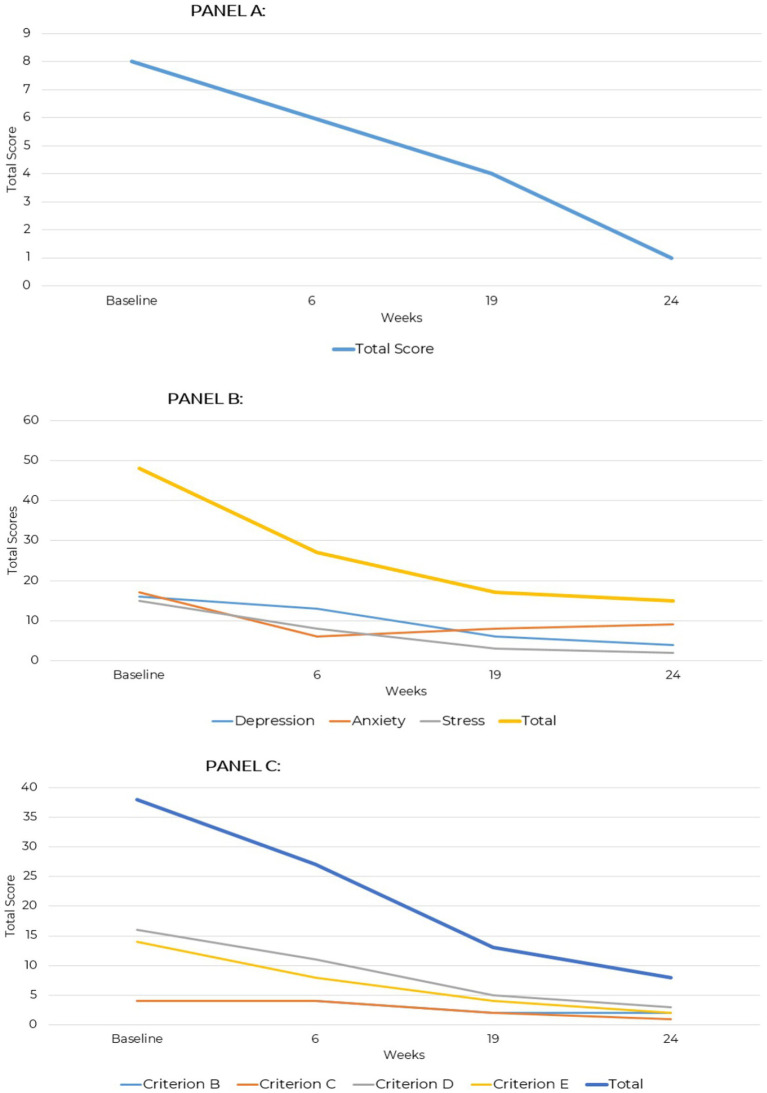
Methods: This case series investigates the effects of KMT on two individuals diagnosed with schizoaffective disorder who pursued this therapy due to the ineffectiveness of conventional treatments. Both case presentations followed a modified ketogenic diet with medical oversight. Symptom changes in mood were assessed using validated tools, including the Generalized Anxiety Disorder-7 (GAD-7), Depression Anxiety Stress Scales (DASS-42), PTSD Checklist for DSM-5 (PCL-5), and Patient Health Questionnaire-9 (PHQ-9).
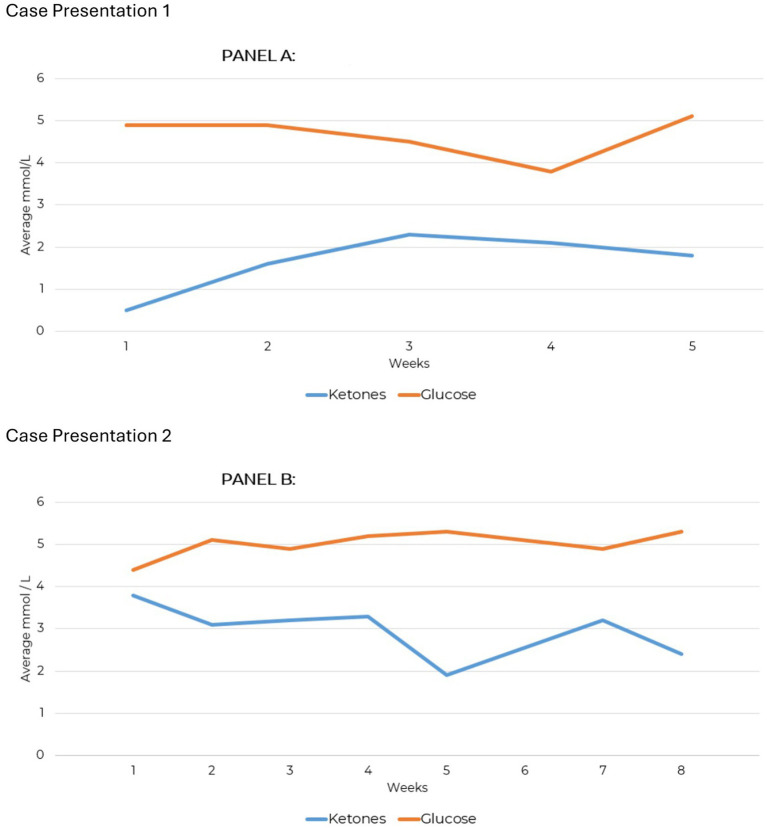
Results: Both case presentations experienced the complete cessation of psychotic symptoms and improvements in mood. Case 1, a 17-year-old female, achieved full remission of severe suicidal ideation, hallucinations, and anxiety within 6 weeks, with sustained improvements at a 24-week follow-up. Case 2, a 32-year-old female, achieved full remission of chronic psychotic and mood symptoms by 6 months. Patients either achieved full psychiatric deprescription or were in the process of deprescription at time of follow-up.
Conclusion: This case series demonstrates that ketogenic metabolic therapy can resolve chronic psychotic and mood symptoms in patients with schizoaffective disorder, leading to full remission and significant functional recovery and reported improvements in quality of life that extend beyond symptom control with standard of care interventions.
期刊介绍:
No subject pertains more to human life than nutrition. The aim of Frontiers in Nutrition is to integrate major scientific disciplines in this vast field in order to address the most relevant and pertinent questions and developments. Our ambition is to create an integrated podium based on original research, clinical trials, and contemporary reviews to build a reputable knowledge forum in the domains of human health, dietary behaviors, agronomy & 21st century food science. Through the recognized open-access Frontiers platform we welcome manuscripts to our dedicated sections relating to different areas in the field of nutrition with a focus on human health.
Specialty sections in Frontiers in Nutrition include, for example, Clinical Nutrition, Nutrition & Sustainable Diets, Nutrition and Food Science Technology, Nutrition Methodology, Sport & Exercise Nutrition, Food Chemistry, and Nutritional Immunology. Based on the publication of rigorous scientific research, we thrive to achieve a visible impact on the global nutrition agenda addressing the grand challenges of our time, including obesity, malnutrition, hunger, food waste, sustainability and consumer health.





 京公网安备 11010802042870号
京ICP备2023020795号-1
京公网安备 11010802042870号
京ICP备2023020795号-1

 分享
分享
 求助内容:
求助内容: 应助结果提醒方式:
 扫码关注我们
