{"title":"“慢慢地,随着时间的推移,你完全失去了自己”:概念化亲密伴侣关系中的强制性控制创伤。","authors":"Kristy Kassing, Anthony Collins","doi":"10.1177/08862605251320998","DOIUrl":null,"url":null,"abstract":"<p><p>Coercive control is a form of violence characterized by patterns of restrictive regulation, including through isolation, threats, psychological manipulation, economic abuse, technology-facilitated control, stalking, and physical and/or sexual violence. While literature has focused on the diverse forms of control imposed by perpetrators of this abuse, few studies have discussed the traumatic impact of coercive control on victim-survivors themselves. Using a theoretical thematic analysis, this study draws upon data from 15 qualitative questionnaires exploring the lived experiences of women as victim-survivors of coercive control in Australia. The first phase of analysis identified the diverse and interconnected methods of coercive control experienced by participants. The second phase found that victim-survivors who have been subjected to these patterns of harm can experience specific emotional trauma, shaped by processes of threat and restraint. This paper, therefore, proposes the concept of \"coercive control trauma\" to articulate ways in which coercive control in intimate relationships can contribute to the complex and often under-recognized psychological harm experienced by victim-survivors. The concept of coercive control trauma may provide victim-survivors with validation, insight, and an empowering sense of self-understanding during processes of recovery. It may also assist those who are supporting individuals recovering from coercive control by helping to further comprehend the experiences of victim-survivors, and to provide more appropriate forms of support.</p>","PeriodicalId":16289,"journal":{"name":"Journal of Interpersonal Violence","volume":" ","pages":"662-684"},"PeriodicalIF":2.2000,"publicationDate":"2026-02-01","publicationTypes":"Journal Article","fieldsOfStudy":null,"isOpenAccess":false,"openAccessPdf":"https://www.ncbi.nlm.nih.gov/pmc/articles/PMC12743119/pdf/","citationCount":"0","resultStr":"{\"title\":\"\\\"Slowly, Over Time, You Completely Lose Yourself\\\": Conceptualizing Coercive Control Trauma in Intimate Partner Relationships.\",\"authors\":\"Kristy Kassing, Anthony Collins\",\"doi\":\"10.1177/08862605251320998\",\"DOIUrl\":null,\"url\":null,\"abstract\":\"<p><p>Coercive control is a form of violence characterized by patterns of restrictive regulation, including through isolation, threats, psychological manipulation, economic abuse, technology-facilitated control, stalking, and physical and/or sexual violence. While literature has focused on the diverse forms of control imposed by perpetrators of this abuse, few studies have discussed the traumatic impact of coercive control on victim-survivors themselves. Using a theoretical thematic analysis, this study draws upon data from 15 qualitative questionnaires exploring the lived experiences of women as victim-survivors of coercive control in Australia. The first phase of analysis identified the diverse and interconnected methods of coercive control experienced by participants. The second phase found that victim-survivors who have been subjected to these patterns of harm can experience specific emotional trauma, shaped by processes of threat and restraint. This paper, therefore, proposes the concept of \\\"coercive control trauma\\\" to articulate ways in which coercive control in intimate relationships can contribute to the complex and often under-recognized psychological harm experienced by victim-survivors. The concept of coercive control trauma may provide victim-survivors with validation, insight, and an empowering sense of self-understanding during processes of recovery. It may also assist those who are supporting individuals recovering from coercive control by helping to further comprehend the experiences of victim-survivors, and to provide more appropriate forms of support.</p>\",\"PeriodicalId\":16289,\"journal\":{\"name\":\"Journal of Interpersonal Violence\",\"volume\":\" \",\"pages\":\"662-684\"},\"PeriodicalIF\":2.2000,\"publicationDate\":\"2026-02-01\",\"publicationTypes\":\"Journal Article\",\"fieldsOfStudy\":null,\"isOpenAccess\":false,\"openAccessPdf\":\"https://www.ncbi.nlm.nih.gov/pmc/articles/PMC12743119/pdf/\",\"citationCount\":\"0\",\"resultStr\":null,\"platform\":\"Semanticscholar\",\"paperid\":null,\"PeriodicalName\":\"Journal of Interpersonal Violence\",\"FirstCategoryId\":\"102\",\"ListUrlMain\":\"https://doi.org/10.1177/08862605251320998\",\"RegionNum\":3,\"RegionCategory\":\"心理学\",\"ArticlePicture\":[],\"TitleCN\":null,\"AbstractTextCN\":null,\"PMCID\":null,\"EPubDate\":\"2025/2/23 0:00:00\",\"PubModel\":\"Epub\",\"JCR\":\"Q1\",\"JCRName\":\"CRIMINOLOGY & PENOLOGY\",\"Score\":null,\"Total\":0}","platform":"Semanticscholar","paperid":null,"PeriodicalName":"Journal of Interpersonal Violence","FirstCategoryId":"102","ListUrlMain":"https://doi.org/10.1177/08862605251320998","RegionNum":3,"RegionCategory":"心理学","ArticlePicture":[],"TitleCN":null,"AbstractTextCN":null,"PMCID":null,"EPubDate":"2025/2/23 0:00:00","PubModel":"Epub","JCR":"Q1","JCRName":"CRIMINOLOGY & PENOLOGY","Score":null,"Total":0}
"Slowly, Over Time, You Completely Lose Yourself": Conceptualizing Coercive Control Trauma in Intimate Partner Relationships.
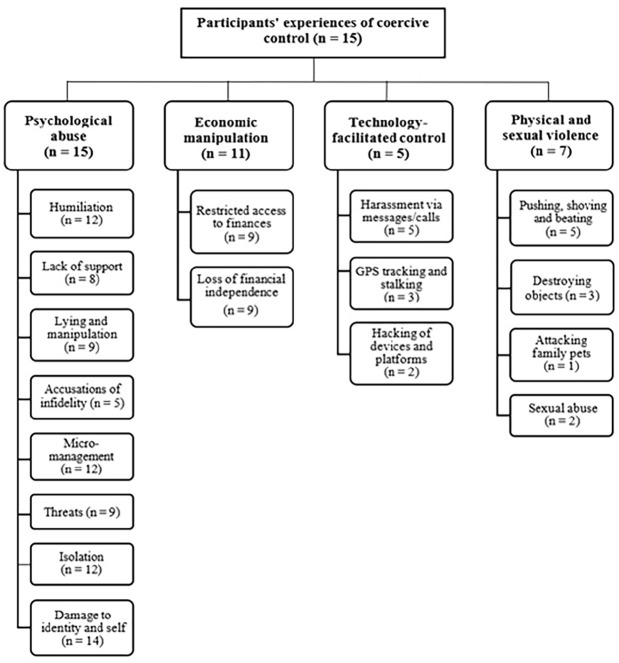
Coercive control is a form of violence characterized by patterns of restrictive regulation, including through isolation, threats, psychological manipulation, economic abuse, technology-facilitated control, stalking, and physical and/or sexual violence. While literature has focused on the diverse forms of control imposed by perpetrators of this abuse, few studies have discussed the traumatic impact of coercive control on victim-survivors themselves. Using a theoretical thematic analysis, this study draws upon data from 15 qualitative questionnaires exploring the lived experiences of women as victim-survivors of coercive control in Australia. The first phase of analysis identified the diverse and interconnected methods of coercive control experienced by participants. The second phase found that victim-survivors who have been subjected to these patterns of harm can experience specific emotional trauma, shaped by processes of threat and restraint. This paper, therefore, proposes the concept of "coercive control trauma" to articulate ways in which coercive control in intimate relationships can contribute to the complex and often under-recognized psychological harm experienced by victim-survivors. The concept of coercive control trauma may provide victim-survivors with validation, insight, and an empowering sense of self-understanding during processes of recovery. It may also assist those who are supporting individuals recovering from coercive control by helping to further comprehend the experiences of victim-survivors, and to provide more appropriate forms of support.
期刊介绍:
The Journal of Interpersonal Violence is devoted to the study and treatment of victims and perpetrators of interpersonal violence. It provides a forum of discussion of the concerns and activities of professionals and researchers working in domestic violence, child sexual abuse, rape and sexual assault, physical child abuse, and violent crime. With its dual focus on victims and victimizers, the journal will publish material that addresses the causes, effects, treatment, and prevention of all types of violence. JIV only publishes reports on individual studies in which the scientific method is applied to the study of some aspect of interpersonal violence. Research may use qualitative or quantitative methods. JIV does not publish reviews of research, individual case studies, or the conceptual analysis of some aspect of interpersonal violence. Outcome data for program or intervention evaluations must include a comparison or control group.







 京公网安备 11010802042870号
京ICP备2023020795号-1
京公网安备 11010802042870号
京ICP备2023020795号-1

 分享
分享
 求助内容:
求助内容: 应助结果提醒方式:
 扫码关注我们
