{"title":"孤立性左前外侧丘脑卒中后的独特遗忘综合征1例报告。","authors":"Jakub Grulich, Elisabeth Lösken, René M Müri","doi":"10.1186/s12883-025-04085-9","DOIUrl":null,"url":null,"abstract":"<p><strong>Background: </strong>The thalamus plays a key role in motor and sensory processes of the brain. Though thalamic stroke is among the less frequent, even a minimal lesion can result in a serious impairment and long-lasting disability. After thalamic stroke, cases of dysexecutive syndrome and so-called diencephalic amnesia have been observed, yet the precise characterisation or categorisation of such amnestic syndrome is not available. Pure amnesia can be the one and only indication of a thalamic lesion. We present a unique case of a patient after left anterolateral thalamic stroke suffering from isolated severe amnesia and disorientation. We conducted extensive neuropsychological testing of the patient's memory and discovered contrasting results in different aspects of memory.</p><p><strong>Case presentation: </strong>A 75-year-old woman was admitted for neurological rehabilitation two weeks after being diagnosed with acute left anterolateral thalamic ischemic stroke. The initial symptoms with which she presented in the emergency room were acute confusion, disorientation and memory impairment; apart from that, the patient did not have any other neurologic signs. As observed on the MRI, the lesion was restricted mostly to the left anterior nucleus without affecting the mammillothalamic tract. The neuropsychological testing revealed anterograde episodic memory loss with preserved visual recognition and auditive short term memory; inability to freely recall semantic information, spatial and time disorientation, apathy and significantly reduced intrinsic and phasic attention, and immediate and delayed prose recall deficiency.</p><p><strong>Conclusion: </strong>The knowledge that memory impairment and disorientation can be the only symptoms of the stroke is a crucial piece of information, which is needed to be able to make a decision about proper treatment. Abstention from immediate intervention often leads to irreparable memory deficit for the rest of the patient's life. The results of neuropsychological testing show the essential role of AN in creating episodic memory, in the working memory network and indicate its role as a critical interface between short-term and long-term memory. A theory explaining such a profound impairment of working and anterograde episodic memory has not yet been formulated.</p>","PeriodicalId":9170,"journal":{"name":"BMC Neurology","volume":"25 1","pages":"76"},"PeriodicalIF":2.2000,"publicationDate":"2025-02-24","publicationTypes":"Journal Article","fieldsOfStudy":null,"isOpenAccess":false,"openAccessPdf":"https://www.ncbi.nlm.nih.gov/pmc/articles/PMC11849145/pdf/","citationCount":"0","resultStr":"{\"title\":\"Unique amnestic syndrome after isolated left anterolateral thalamic stroke: a case report.\",\"authors\":\"Jakub Grulich, Elisabeth Lösken, René M Müri\",\"doi\":\"10.1186/s12883-025-04085-9\",\"DOIUrl\":null,\"url\":null,\"abstract\":\"<p><strong>Background: </strong>The thalamus plays a key role in motor and sensory processes of the brain. Though thalamic stroke is among the less frequent, even a minimal lesion can result in a serious impairment and long-lasting disability. After thalamic stroke, cases of dysexecutive syndrome and so-called diencephalic amnesia have been observed, yet the precise characterisation or categorisation of such amnestic syndrome is not available. Pure amnesia can be the one and only indication of a thalamic lesion. We present a unique case of a patient after left anterolateral thalamic stroke suffering from isolated severe amnesia and disorientation. We conducted extensive neuropsychological testing of the patient's memory and discovered contrasting results in different aspects of memory.</p><p><strong>Case presentation: </strong>A 75-year-old woman was admitted for neurological rehabilitation two weeks after being diagnosed with acute left anterolateral thalamic ischemic stroke. The initial symptoms with which she presented in the emergency room were acute confusion, disorientation and memory impairment; apart from that, the patient did not have any other neurologic signs. As observed on the MRI, the lesion was restricted mostly to the left anterior nucleus without affecting the mammillothalamic tract. The neuropsychological testing revealed anterograde episodic memory loss with preserved visual recognition and auditive short term memory; inability to freely recall semantic information, spatial and time disorientation, apathy and significantly reduced intrinsic and phasic attention, and immediate and delayed prose recall deficiency.</p><p><strong>Conclusion: </strong>The knowledge that memory impairment and disorientation can be the only symptoms of the stroke is a crucial piece of information, which is needed to be able to make a decision about proper treatment. Abstention from immediate intervention often leads to irreparable memory deficit for the rest of the patient's life. The results of neuropsychological testing show the essential role of AN in creating episodic memory, in the working memory network and indicate its role as a critical interface between short-term and long-term memory. A theory explaining such a profound impairment of working and anterograde episodic memory has not yet been formulated.</p>\",\"PeriodicalId\":9170,\"journal\":{\"name\":\"BMC Neurology\",\"volume\":\"25 1\",\"pages\":\"76\"},\"PeriodicalIF\":2.2000,\"publicationDate\":\"2025-02-24\",\"publicationTypes\":\"Journal Article\",\"fieldsOfStudy\":null,\"isOpenAccess\":false,\"openAccessPdf\":\"https://www.ncbi.nlm.nih.gov/pmc/articles/PMC11849145/pdf/\",\"citationCount\":\"0\",\"resultStr\":null,\"platform\":\"Semanticscholar\",\"paperid\":null,\"PeriodicalName\":\"BMC Neurology\",\"FirstCategoryId\":\"3\",\"ListUrlMain\":\"https://doi.org/10.1186/s12883-025-04085-9\",\"RegionNum\":3,\"RegionCategory\":\"医学\",\"ArticlePicture\":[],\"TitleCN\":null,\"AbstractTextCN\":null,\"PMCID\":null,\"EPubDate\":\"\",\"PubModel\":\"\",\"JCR\":\"Q3\",\"JCRName\":\"CLINICAL NEUROLOGY\",\"Score\":null,\"Total\":0}","platform":"Semanticscholar","paperid":null,"PeriodicalName":"BMC Neurology","FirstCategoryId":"3","ListUrlMain":"https://doi.org/10.1186/s12883-025-04085-9","RegionNum":3,"RegionCategory":"医学","ArticlePicture":[],"TitleCN":null,"AbstractTextCN":null,"PMCID":null,"EPubDate":"","PubModel":"","JCR":"Q3","JCRName":"CLINICAL NEUROLOGY","Score":null,"Total":0}
Unique amnestic syndrome after isolated left anterolateral thalamic stroke: a case report.
Background: The thalamus plays a key role in motor and sensory processes of the brain. Though thalamic stroke is among the less frequent, even a minimal lesion can result in a serious impairment and long-lasting disability. After thalamic stroke, cases of dysexecutive syndrome and so-called diencephalic amnesia have been observed, yet the precise characterisation or categorisation of such amnestic syndrome is not available. Pure amnesia can be the one and only indication of a thalamic lesion. We present a unique case of a patient after left anterolateral thalamic stroke suffering from isolated severe amnesia and disorientation. We conducted extensive neuropsychological testing of the patient's memory and discovered contrasting results in different aspects of memory.
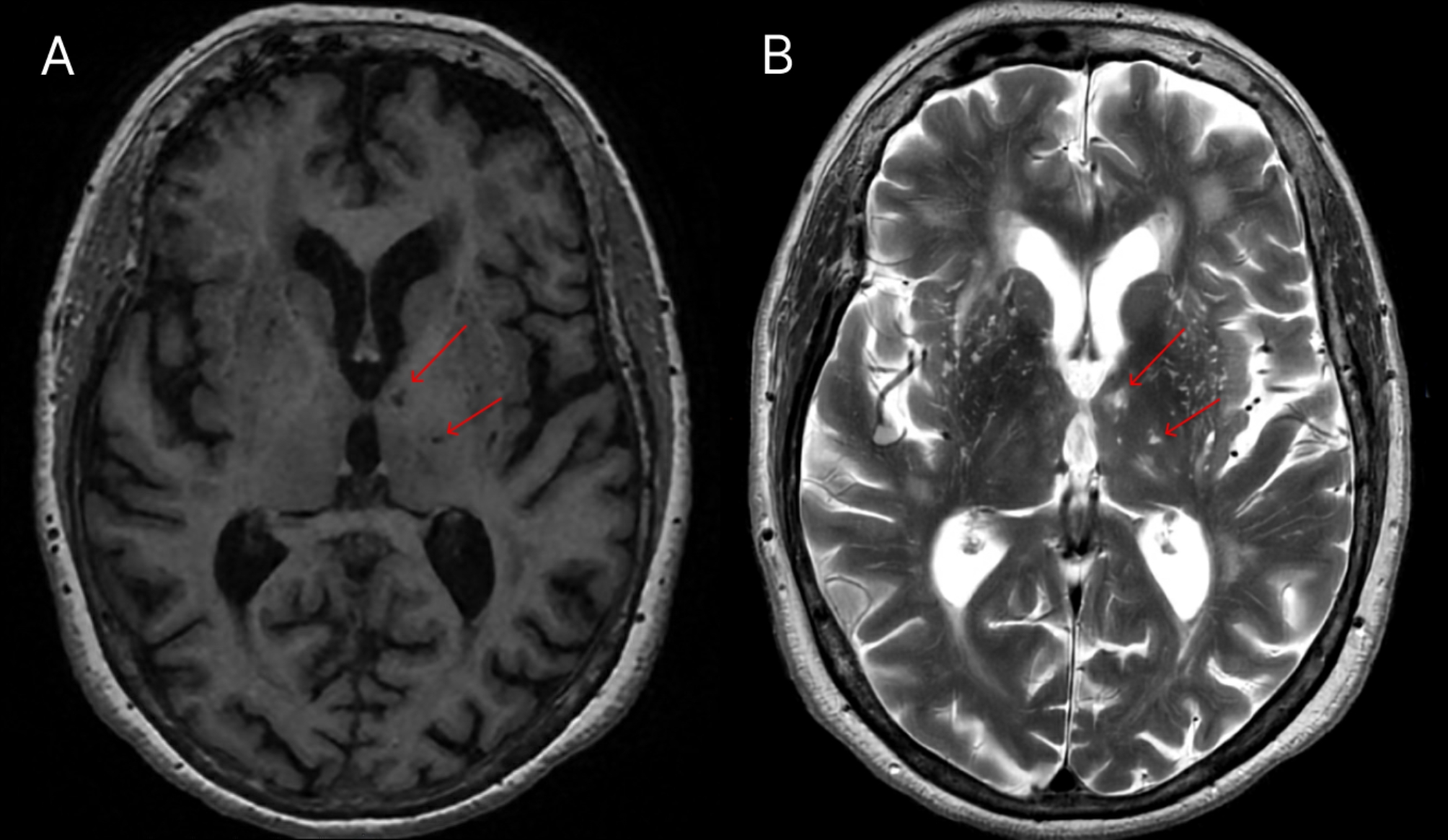
Case presentation: A 75-year-old woman was admitted for neurological rehabilitation two weeks after being diagnosed with acute left anterolateral thalamic ischemic stroke. The initial symptoms with which she presented in the emergency room were acute confusion, disorientation and memory impairment; apart from that, the patient did not have any other neurologic signs. As observed on the MRI, the lesion was restricted mostly to the left anterior nucleus without affecting the mammillothalamic tract. The neuropsychological testing revealed anterograde episodic memory loss with preserved visual recognition and auditive short term memory; inability to freely recall semantic information, spatial and time disorientation, apathy and significantly reduced intrinsic and phasic attention, and immediate and delayed prose recall deficiency.
Conclusion: The knowledge that memory impairment and disorientation can be the only symptoms of the stroke is a crucial piece of information, which is needed to be able to make a decision about proper treatment. Abstention from immediate intervention often leads to irreparable memory deficit for the rest of the patient's life. The results of neuropsychological testing show the essential role of AN in creating episodic memory, in the working memory network and indicate its role as a critical interface between short-term and long-term memory. A theory explaining such a profound impairment of working and anterograde episodic memory has not yet been formulated.
期刊介绍:
BMC Neurology is an open access, peer-reviewed journal that considers articles on all aspects of the prevention, diagnosis and management of neurological disorders, as well as related molecular genetics, pathophysiology, and epidemiology.






 京公网安备 11010802042870号
京ICP备2023020795号-1
京公网安备 11010802042870号
京ICP备2023020795号-1

 分享
分享
 求助内容:
求助内容: 应助结果提醒方式:
 扫码关注我们
