David R Mattie, Dirk Yamamoto, Kerrine LeGuin, Elizabeth McKenna, Daniel A Williams, Alex Gubler, Patricia N Hammer, Nobuhiro Ohrui, Satoshi Maruyama, Asao Kobayashi
{"title":"日本和美国驻日空军基地飞行人员的喷气燃料和噪声暴露比较。","authors":"David R Mattie, Dirk Yamamoto, Kerrine LeGuin, Elizabeth McKenna, Daniel A Williams, Alex Gubler, Patricia N Hammer, Nobuhiro Ohrui, Satoshi Maruyama, Asao Kobayashi","doi":"10.3390/toxics13020121","DOIUrl":null,"url":null,"abstract":"<p><p>Flight line personnel are constantly exposed to noise and jet fuel while working on flight lines. Studies suggest that jet fuel in combination with noise affects hearing loss more than noise exposure alone. This study examined the combined effects of jet fuel and noise exposure on the hearing of flight line personnel stationed at Japan Air Self-Defense Force Air Bases (Hamamatsu, Matsushima, Hyakuri, Yokota, and Iruma) and US Air Force Air Bases (Kadena and Misawa) in Japan. Samples were collected from all participants, 97 flightline-exposed and 71 control volunteers, to measure their individual noise levels with a personal sound level meter and volatile organic chemicals (VOCs) with a chemical sampling pump during a single shift. Blood samples were collected post shift. Urine samples (entire void) were collected prior to the shift (morning first void) and post shift. VOCs were measured in air, blood, and urine. An audiometric test battery, consisting of immittance measurements, audiograms, distortion product otoacoustic emissions, and the auditory brain response, was conducted after the shift to examine the hearing of participants. Total VOCs in personal air samples were in the ppb range for each group. Tinnitus and temporary hearing loss were reported in audiological histories but were also present in some controls. Noise levels on the flight line were greater than the action level for requiring hearing protection and exceeded exposure limits, but all exposed subjects reported wearing hearing protection. Audiometric tests identified significant differences and trends between flight line and control personnel, indicating the potential for hearing disorders. In spite of very low levels of VOC exposure and wearing hearing protection for noise, there is still the potential for hearing issues in flight line personnel.</p>","PeriodicalId":23195,"journal":{"name":"Toxics","volume":"13 2","pages":""},"PeriodicalIF":4.1000,"publicationDate":"2025-02-05","publicationTypes":"Journal Article","fieldsOfStudy":null,"isOpenAccess":false,"openAccessPdf":"https://www.ncbi.nlm.nih.gov/pmc/articles/PMC11860679/pdf/","citationCount":"0","resultStr":"{\"title\":\"Comparison of Operational Jet Fuel and Noise Exposure for Flight Line Personnel at Japanese and United States Air Bases in Japan.\",\"authors\":\"David R Mattie, Dirk Yamamoto, Kerrine LeGuin, Elizabeth McKenna, Daniel A Williams, Alex Gubler, Patricia N Hammer, Nobuhiro Ohrui, Satoshi Maruyama, Asao Kobayashi\",\"doi\":\"10.3390/toxics13020121\",\"DOIUrl\":null,\"url\":null,\"abstract\":\"<p><p>Flight line personnel are constantly exposed to noise and jet fuel while working on flight lines. Studies suggest that jet fuel in combination with noise affects hearing loss more than noise exposure alone. This study examined the combined effects of jet fuel and noise exposure on the hearing of flight line personnel stationed at Japan Air Self-Defense Force Air Bases (Hamamatsu, Matsushima, Hyakuri, Yokota, and Iruma) and US Air Force Air Bases (Kadena and Misawa) in Japan. Samples were collected from all participants, 97 flightline-exposed and 71 control volunteers, to measure their individual noise levels with a personal sound level meter and volatile organic chemicals (VOCs) with a chemical sampling pump during a single shift. Blood samples were collected post shift. Urine samples (entire void) were collected prior to the shift (morning first void) and post shift. VOCs were measured in air, blood, and urine. An audiometric test battery, consisting of immittance measurements, audiograms, distortion product otoacoustic emissions, and the auditory brain response, was conducted after the shift to examine the hearing of participants. Total VOCs in personal air samples were in the ppb range for each group. Tinnitus and temporary hearing loss were reported in audiological histories but were also present in some controls. Noise levels on the flight line were greater than the action level for requiring hearing protection and exceeded exposure limits, but all exposed subjects reported wearing hearing protection. Audiometric tests identified significant differences and trends between flight line and control personnel, indicating the potential for hearing disorders. In spite of very low levels of VOC exposure and wearing hearing protection for noise, there is still the potential for hearing issues in flight line personnel.</p>\",\"PeriodicalId\":23195,\"journal\":{\"name\":\"Toxics\",\"volume\":\"13 2\",\"pages\":\"\"},\"PeriodicalIF\":4.1000,\"publicationDate\":\"2025-02-05\",\"publicationTypes\":\"Journal Article\",\"fieldsOfStudy\":null,\"isOpenAccess\":false,\"openAccessPdf\":\"https://www.ncbi.nlm.nih.gov/pmc/articles/PMC11860679/pdf/\",\"citationCount\":\"0\",\"resultStr\":null,\"platform\":\"Semanticscholar\",\"paperid\":null,\"PeriodicalName\":\"Toxics\",\"FirstCategoryId\":\"93\",\"ListUrlMain\":\"https://doi.org/10.3390/toxics13020121\",\"RegionNum\":3,\"RegionCategory\":\"环境科学与生态学\",\"ArticlePicture\":[],\"TitleCN\":null,\"AbstractTextCN\":null,\"PMCID\":null,\"EPubDate\":\"\",\"PubModel\":\"\",\"JCR\":\"Q2\",\"JCRName\":\"ENVIRONMENTAL SCIENCES\",\"Score\":null,\"Total\":0}","platform":"Semanticscholar","paperid":null,"PeriodicalName":"Toxics","FirstCategoryId":"93","ListUrlMain":"https://doi.org/10.3390/toxics13020121","RegionNum":3,"RegionCategory":"环境科学与生态学","ArticlePicture":[],"TitleCN":null,"AbstractTextCN":null,"PMCID":null,"EPubDate":"","PubModel":"","JCR":"Q2","JCRName":"ENVIRONMENTAL SCIENCES","Score":null,"Total":0}
Comparison of Operational Jet Fuel and Noise Exposure for Flight Line Personnel at Japanese and United States Air Bases in Japan.
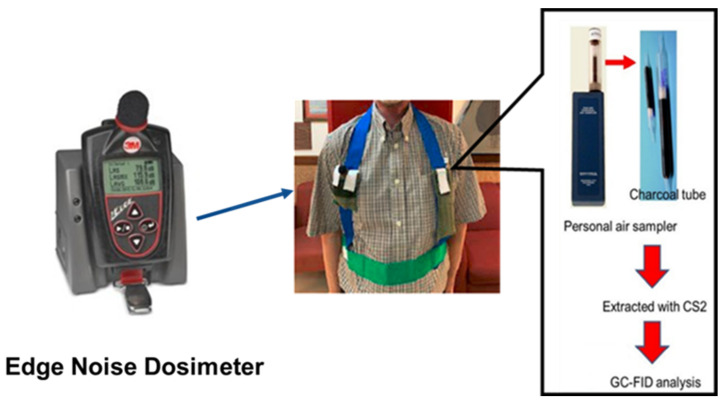
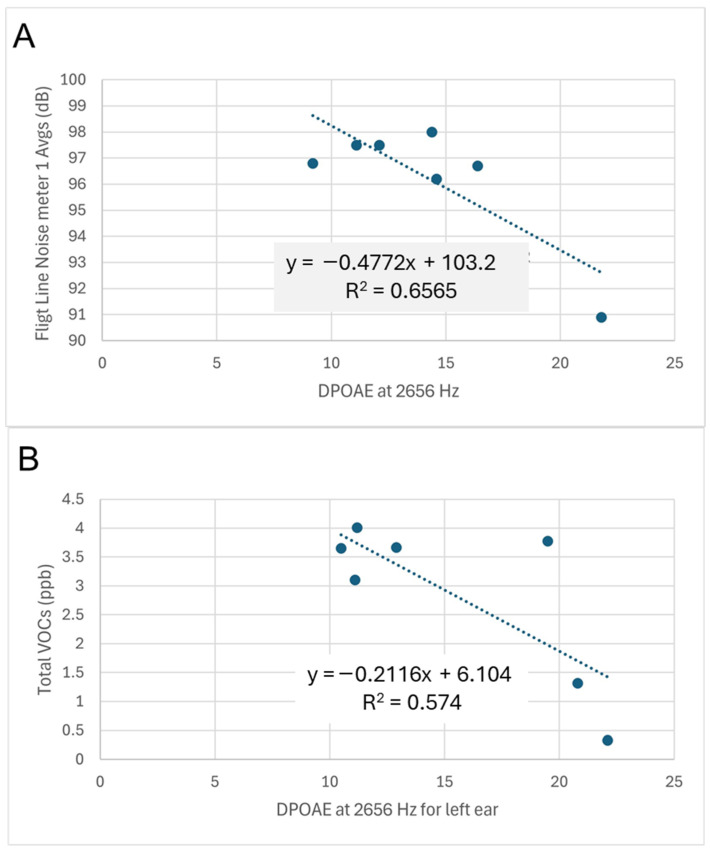
Flight line personnel are constantly exposed to noise and jet fuel while working on flight lines. Studies suggest that jet fuel in combination with noise affects hearing loss more than noise exposure alone. This study examined the combined effects of jet fuel and noise exposure on the hearing of flight line personnel stationed at Japan Air Self-Defense Force Air Bases (Hamamatsu, Matsushima, Hyakuri, Yokota, and Iruma) and US Air Force Air Bases (Kadena and Misawa) in Japan. Samples were collected from all participants, 97 flightline-exposed and 71 control volunteers, to measure their individual noise levels with a personal sound level meter and volatile organic chemicals (VOCs) with a chemical sampling pump during a single shift. Blood samples were collected post shift. Urine samples (entire void) were collected prior to the shift (morning first void) and post shift. VOCs were measured in air, blood, and urine. An audiometric test battery, consisting of immittance measurements, audiograms, distortion product otoacoustic emissions, and the auditory brain response, was conducted after the shift to examine the hearing of participants. Total VOCs in personal air samples were in the ppb range for each group. Tinnitus and temporary hearing loss were reported in audiological histories but were also present in some controls. Noise levels on the flight line were greater than the action level for requiring hearing protection and exceeded exposure limits, but all exposed subjects reported wearing hearing protection. Audiometric tests identified significant differences and trends between flight line and control personnel, indicating the potential for hearing disorders. In spite of very low levels of VOC exposure and wearing hearing protection for noise, there is still the potential for hearing issues in flight line personnel.
ToxicsChemical Engineering-Chemical Health and Safety
CiteScore
4.50
自引率
10.90%
发文量
681
审稿时长
6 weeks
期刊介绍:
Toxics (ISSN 2305-6304) is an international, peer-reviewed, open access journal which provides an advanced forum for studies related to all aspects of toxic chemicals and materials. It publishes reviews, regular research papers, and short communications. Our aim is to encourage scientists to publish their experimental and theoretical results in detail. There is, therefore, no restriction on the maximum length of the papers, although authors should write their papers in a clear and concise way. The full experimental details must be provided so that the results can be reproduced. Electronic files or software regarding the full details of calculations and experimental procedure can be deposited as supplementary material, if it is not possible to publish them along with the text.




 京公网安备 11010802042870号
京ICP备2023020795号-1
京公网安备 11010802042870号
京ICP备2023020795号-1

 分享
分享
 求助内容:
求助内容: 应助结果提醒方式:
 扫码关注我们
