{"title":"语用学作为意向行为的社会推论。","authors":"Manuel Bohn, Michael C Frank","doi":"10.1162/opmi_a_00191","DOIUrl":null,"url":null,"abstract":"<p><p>Pragmatic inferences are based on assumptions about how speakers communicate: speakers are taken to be cooperative and rational; they consider alternatives and make intentional choices to produce maximally informative utterances. In principle, this analysis applies to linguistic but also non-linguistic communicative actions, but this prediction is typically only tested in children and not in more systematic implicature contexts. We test key implications of this view across six online experiments with American English speaking adults (total <i>N</i> = 231). Experiments 1A and 1B showed that participants made pragmatic inferences based on different types of communicative actions, some being non-linguistic. In Experiment 2, pragmatic inferences were found to be conditional on the speaker's epistemic states. Finally, Experiments 3A to 3C showed that pragmatic inferences were more likely to be made when the communicative action was produced intentionally. Taken together, these results strengthen the view that pragmatics includes social inference about cooperative communication over intentional actions, even non-linguistic actions.</p>","PeriodicalId":32558,"journal":{"name":"Open Mind","volume":"9 ","pages":"290-304"},"PeriodicalIF":0.0000,"publicationDate":"2025-02-08","publicationTypes":"Journal Article","fieldsOfStudy":null,"isOpenAccess":false,"openAccessPdf":"https://www.ncbi.nlm.nih.gov/pmc/articles/PMC11850021/pdf/","citationCount":"0","resultStr":"{\"title\":\"Pragmatics as Social Inference About Intentional Action.\",\"authors\":\"Manuel Bohn, Michael C Frank\",\"doi\":\"10.1162/opmi_a_00191\",\"DOIUrl\":null,\"url\":null,\"abstract\":\"<p><p>Pragmatic inferences are based on assumptions about how speakers communicate: speakers are taken to be cooperative and rational; they consider alternatives and make intentional choices to produce maximally informative utterances. In principle, this analysis applies to linguistic but also non-linguistic communicative actions, but this prediction is typically only tested in children and not in more systematic implicature contexts. We test key implications of this view across six online experiments with American English speaking adults (total <i>N</i> = 231). Experiments 1A and 1B showed that participants made pragmatic inferences based on different types of communicative actions, some being non-linguistic. In Experiment 2, pragmatic inferences were found to be conditional on the speaker's epistemic states. Finally, Experiments 3A to 3C showed that pragmatic inferences were more likely to be made when the communicative action was produced intentionally. Taken together, these results strengthen the view that pragmatics includes social inference about cooperative communication over intentional actions, even non-linguistic actions.</p>\",\"PeriodicalId\":32558,\"journal\":{\"name\":\"Open Mind\",\"volume\":\"9 \",\"pages\":\"290-304\"},\"PeriodicalIF\":0.0000,\"publicationDate\":\"2025-02-08\",\"publicationTypes\":\"Journal Article\",\"fieldsOfStudy\":null,\"isOpenAccess\":false,\"openAccessPdf\":\"https://www.ncbi.nlm.nih.gov/pmc/articles/PMC11850021/pdf/\",\"citationCount\":\"0\",\"resultStr\":null,\"platform\":\"Semanticscholar\",\"paperid\":null,\"PeriodicalName\":\"Open Mind\",\"FirstCategoryId\":\"1085\",\"ListUrlMain\":\"https://doi.org/10.1162/opmi_a_00191\",\"RegionNum\":0,\"RegionCategory\":null,\"ArticlePicture\":[],\"TitleCN\":null,\"AbstractTextCN\":null,\"PMCID\":null,\"EPubDate\":\"2025/1/1 0:00:00\",\"PubModel\":\"eCollection\",\"JCR\":\"Q1\",\"JCRName\":\"Social Sciences\",\"Score\":null,\"Total\":0}","platform":"Semanticscholar","paperid":null,"PeriodicalName":"Open Mind","FirstCategoryId":"1085","ListUrlMain":"https://doi.org/10.1162/opmi_a_00191","RegionNum":0,"RegionCategory":null,"ArticlePicture":[],"TitleCN":null,"AbstractTextCN":null,"PMCID":null,"EPubDate":"2025/1/1 0:00:00","PubModel":"eCollection","JCR":"Q1","JCRName":"Social Sciences","Score":null,"Total":0}
Pragmatics as Social Inference About Intentional Action.
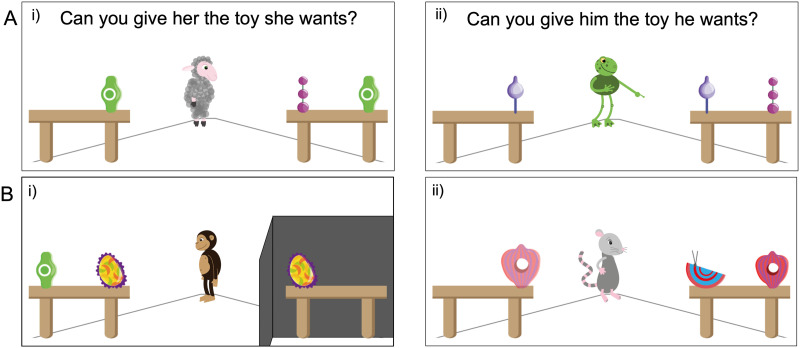
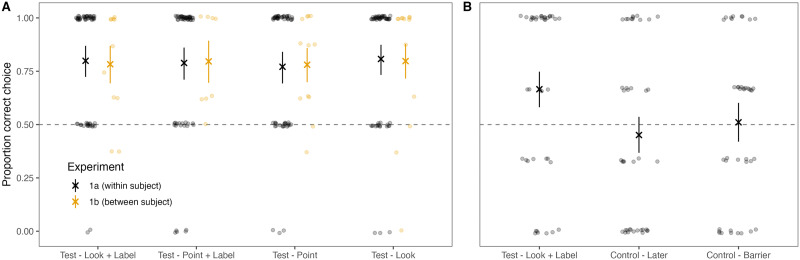
Pragmatic inferences are based on assumptions about how speakers communicate: speakers are taken to be cooperative and rational; they consider alternatives and make intentional choices to produce maximally informative utterances. In principle, this analysis applies to linguistic but also non-linguistic communicative actions, but this prediction is typically only tested in children and not in more systematic implicature contexts. We test key implications of this view across six online experiments with American English speaking adults (total N = 231). Experiments 1A and 1B showed that participants made pragmatic inferences based on different types of communicative actions, some being non-linguistic. In Experiment 2, pragmatic inferences were found to be conditional on the speaker's epistemic states. Finally, Experiments 3A to 3C showed that pragmatic inferences were more likely to be made when the communicative action was produced intentionally. Taken together, these results strengthen the view that pragmatics includes social inference about cooperative communication over intentional actions, even non-linguistic actions.






 京公网安备 11010802042870号
京ICP备2023020795号-1
京公网安备 11010802042870号
京ICP备2023020795号-1

 分享
分享
 求助内容:
求助内容: 应助结果提醒方式:
 扫码关注我们
