Jakub Linda, Amra Hasečić, Jiří Pospíšil, Libor Kudela, Jáchym Brzezina
{"title":"风重悬浮对城市空气质量的影响:CFD研究与空气质量数据对比","authors":"Jakub Linda, Amra Hasečić, Jiří Pospíšil, Libor Kudela, Jáchym Brzezina","doi":"10.1038/s41612-025-00969-2","DOIUrl":null,"url":null,"abstract":"<p>Wind-induced particulate matter (PM) resuspension is an increasingly recognized contributor to urban air pollution. A CFD model of 2D street canyon geometry was developed that can replicate the process of resuspension. Model created the wind speed vs concentration increase due to resuspension relationship and its key properties: threshold wind speed causing resuspension (TWSR) and concentration increase. At least 8.75 m/s in 10 m height inlet wind speed before street canyons was needed to start the resuspension, leading to PM<sub>10</sub> concentrations often exceeding 1 μg/m³, with peak values reaching as high as 3 μg/m³. The model can predict the behavior of resuspension well, but it cannot capture all the factors acting in the real environment to match precisely the air quality data. Silt load remains the greatest unknown factor in determining the overall magnitude of resuspension, with observed increases in PM<sub>10</sub> concentrations up to 6 μg/m³ in air quality data.</p>","PeriodicalId":19438,"journal":{"name":"npj Climate and Atmospheric Science","volume":"30 1","pages":""},"PeriodicalIF":8.4000,"publicationDate":"2025-02-25","publicationTypes":"Journal Article","fieldsOfStudy":null,"isOpenAccess":false,"openAccessPdf":"","citationCount":"0","resultStr":"{\"title\":\"Impact of wind-induced resuspension on urban air quality: a CFD study with air quality data comparison\",\"authors\":\"Jakub Linda, Amra Hasečić, Jiří Pospíšil, Libor Kudela, Jáchym Brzezina\",\"doi\":\"10.1038/s41612-025-00969-2\",\"DOIUrl\":null,\"url\":null,\"abstract\":\"<p>Wind-induced particulate matter (PM) resuspension is an increasingly recognized contributor to urban air pollution. A CFD model of 2D street canyon geometry was developed that can replicate the process of resuspension. Model created the wind speed vs concentration increase due to resuspension relationship and its key properties: threshold wind speed causing resuspension (TWSR) and concentration increase. At least 8.75 m/s in 10 m height inlet wind speed before street canyons was needed to start the resuspension, leading to PM<sub>10</sub> concentrations often exceeding 1 μg/m³, with peak values reaching as high as 3 μg/m³. The model can predict the behavior of resuspension well, but it cannot capture all the factors acting in the real environment to match precisely the air quality data. Silt load remains the greatest unknown factor in determining the overall magnitude of resuspension, with observed increases in PM<sub>10</sub> concentrations up to 6 μg/m³ in air quality data.</p>\",\"PeriodicalId\":19438,\"journal\":{\"name\":\"npj Climate and Atmospheric Science\",\"volume\":\"30 1\",\"pages\":\"\"},\"PeriodicalIF\":8.4000,\"publicationDate\":\"2025-02-25\",\"publicationTypes\":\"Journal Article\",\"fieldsOfStudy\":null,\"isOpenAccess\":false,\"openAccessPdf\":\"\",\"citationCount\":\"0\",\"resultStr\":null,\"platform\":\"Semanticscholar\",\"paperid\":null,\"PeriodicalName\":\"npj Climate and Atmospheric Science\",\"FirstCategoryId\":\"89\",\"ListUrlMain\":\"https://doi.org/10.1038/s41612-025-00969-2\",\"RegionNum\":1,\"RegionCategory\":\"地球科学\",\"ArticlePicture\":[],\"TitleCN\":null,\"AbstractTextCN\":null,\"PMCID\":null,\"EPubDate\":\"\",\"PubModel\":\"\",\"JCR\":\"Q1\",\"JCRName\":\"METEOROLOGY & ATMOSPHERIC SCIENCES\",\"Score\":null,\"Total\":0}","platform":"Semanticscholar","paperid":null,"PeriodicalName":"npj Climate and Atmospheric Science","FirstCategoryId":"89","ListUrlMain":"https://doi.org/10.1038/s41612-025-00969-2","RegionNum":1,"RegionCategory":"地球科学","ArticlePicture":[],"TitleCN":null,"AbstractTextCN":null,"PMCID":null,"EPubDate":"","PubModel":"","JCR":"Q1","JCRName":"METEOROLOGY & ATMOSPHERIC SCIENCES","Score":null,"Total":0}
Impact of wind-induced resuspension on urban air quality: a CFD study with air quality data comparison
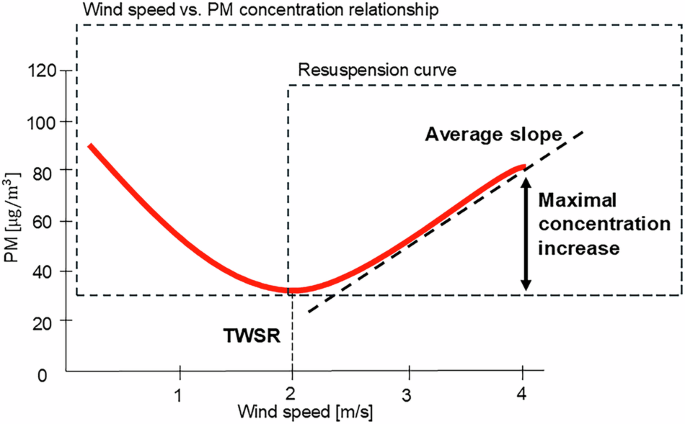
Wind-induced particulate matter (PM) resuspension is an increasingly recognized contributor to urban air pollution. A CFD model of 2D street canyon geometry was developed that can replicate the process of resuspension. Model created the wind speed vs concentration increase due to resuspension relationship and its key properties: threshold wind speed causing resuspension (TWSR) and concentration increase. At least 8.75 m/s in 10 m height inlet wind speed before street canyons was needed to start the resuspension, leading to PM10 concentrations often exceeding 1 μg/m³, with peak values reaching as high as 3 μg/m³. The model can predict the behavior of resuspension well, but it cannot capture all the factors acting in the real environment to match precisely the air quality data. Silt load remains the greatest unknown factor in determining the overall magnitude of resuspension, with observed increases in PM10 concentrations up to 6 μg/m³ in air quality data.
期刊介绍:
npj Climate and Atmospheric Science is an open-access journal encompassing the relevant physical, chemical, and biological aspects of atmospheric and climate science. The journal places particular emphasis on regional studies that unveil new insights into specific localities, including examinations of local atmospheric composition, such as aerosols.
The range of topics covered by the journal includes climate dynamics, climate variability, weather and climate prediction, climate change, ocean dynamics, weather extremes, air pollution, atmospheric chemistry (including aerosols), the hydrological cycle, and atmosphere–ocean and atmosphere–land interactions. The journal welcomes studies employing a diverse array of methods, including numerical and statistical modeling, the development and application of in situ observational techniques, remote sensing, and the development or evaluation of new reanalyses.





 京公网安备 11010802042870号
京ICP备2023020795号-1
京公网安备 11010802042870号
京ICP备2023020795号-1

 分享
分享
 求助内容:
求助内容: 应助结果提醒方式:
 扫码关注我们
