Maria Kwiatkowska, Agnieszka Mickiewicz, Aleksandra Krzesińska, Agnieszka Kuchta, Maciej Jankowski, Marcin Gruchała, Marcin Fijałkowski
{"title":"对氧磷酶-1活性、载脂蛋白B水平和载脂蛋白B/载脂蛋白a - i比值作为二尖瓣主动脉瓣狭窄的危险标志物的作用","authors":"Maria Kwiatkowska, Agnieszka Mickiewicz, Aleksandra Krzesińska, Agnieszka Kuchta, Maciej Jankowski, Marcin Gruchała, Marcin Fijałkowski","doi":"10.3390/antiox14020167","DOIUrl":null,"url":null,"abstract":"<p><p>The bicuspid aortic valve (BAV) is commonly associated with the early degeneration of the aortic valve. Up to 45% of BAV patients over the age of 50 develop aortic stenosis (AS). Although published data indicate a robust interplay between lipids and calcific AS in tricuspid aortic valve patients, the studies on the BAV population are lacking. We aimed to evaluate the association between selected lipid markers and the occurrence of AS in BAV patients. Methods: The study included 76 adults (21 female) with a BAV diagnosed by echocardiography, divided by age and AS diagnosis. Biochemical parameters concentrations in serum were measured: high density lipoprotein cholesterol (HDL-C) levels by standard enzymatic colorimetric tests, low density lipoprotein cholesterol (LDL-C) levels by the Friedewald formula, apolipoprotein A-I (Apo AI) and apolipoprotein B (Apo B) serum concentration by the nephelometric method, and paraoxonase-1 activity (PON-1 ASE) and arylesterase activity (PON-1 ARE) based on paraoxon and phenyl acetate hydrolysis. Results: A total of 54 patients (15 female) were more than 45 years old and 22 (6 female) were 45 or less years old. BAV patients with AS aged ≤45 had higher levels of Apo B, compared to those without AS [110.5 (102-132) vs. 95.6 (77-101) mg/d; <i>p</i> 0.044]. Similarly, Apo B/Apo AI ratio was higher in BAV patients with AS aged ≤45, compared to those without AS [(0.8 (0.7-1) vs. 0.6 (0.5-0.7); <i>p</i> 0.029]. In the group aged ≤45, Apo B showed a positive correlation with the aortic valve peak transvalvular velocity (AV Vmax) measurement (R Spearman 0.6, <i>p</i> 0.004). We found also that, among young BAV patients, those with AS had a lower level of PON-1 ARE compared to the cohort without AS [63.4 (52-80) vs. 85.3 (70-102); <i>p</i> 0.012]. We did not find any differences in lipid parameters in patients aged >45. Conclusions The metabolic link between Apo B level and Apo B/AI ratio with AS presence in BAV patients under 45 years of age suggests a significant impact of these parameters on the earlier development of AS in the BAV population. Molecules associated with high density lipoprotein and its antioxidant function, such as PON1, are valuable markers for AS development, compared to HDL-C and LDL-C levels.</p>","PeriodicalId":7984,"journal":{"name":"Antioxidants","volume":"14 2","pages":""},"PeriodicalIF":8.2000,"publicationDate":"2025-01-30","publicationTypes":"Journal Article","fieldsOfStudy":null,"isOpenAccess":false,"openAccessPdf":"https://www.ncbi.nlm.nih.gov/pmc/articles/PMC11851860/pdf/","citationCount":"0","resultStr":"{\"title\":\"The Role of Paraoxonase-1 Activity, Apolipoprotein B Levels, and Apolipoprotein B/Apolipoprotein A-I Ratio as Risk Markers for Aortic Stenosis in Patients with a Bicuspid Aortic Valve.\",\"authors\":\"Maria Kwiatkowska, Agnieszka Mickiewicz, Aleksandra Krzesińska, Agnieszka Kuchta, Maciej Jankowski, Marcin Gruchała, Marcin Fijałkowski\",\"doi\":\"10.3390/antiox14020167\",\"DOIUrl\":null,\"url\":null,\"abstract\":\"<p><p>The bicuspid aortic valve (BAV) is commonly associated with the early degeneration of the aortic valve. Up to 45% of BAV patients over the age of 50 develop aortic stenosis (AS). Although published data indicate a robust interplay between lipids and calcific AS in tricuspid aortic valve patients, the studies on the BAV population are lacking. We aimed to evaluate the association between selected lipid markers and the occurrence of AS in BAV patients. Methods: The study included 76 adults (21 female) with a BAV diagnosed by echocardiography, divided by age and AS diagnosis. Biochemical parameters concentrations in serum were measured: high density lipoprotein cholesterol (HDL-C) levels by standard enzymatic colorimetric tests, low density lipoprotein cholesterol (LDL-C) levels by the Friedewald formula, apolipoprotein A-I (Apo AI) and apolipoprotein B (Apo B) serum concentration by the nephelometric method, and paraoxonase-1 activity (PON-1 ASE) and arylesterase activity (PON-1 ARE) based on paraoxon and phenyl acetate hydrolysis. Results: A total of 54 patients (15 female) were more than 45 years old and 22 (6 female) were 45 or less years old. BAV patients with AS aged ≤45 had higher levels of Apo B, compared to those without AS [110.5 (102-132) vs. 95.6 (77-101) mg/d; <i>p</i> 0.044]. Similarly, Apo B/Apo AI ratio was higher in BAV patients with AS aged ≤45, compared to those without AS [(0.8 (0.7-1) vs. 0.6 (0.5-0.7); <i>p</i> 0.029]. In the group aged ≤45, Apo B showed a positive correlation with the aortic valve peak transvalvular velocity (AV Vmax) measurement (R Spearman 0.6, <i>p</i> 0.004). We found also that, among young BAV patients, those with AS had a lower level of PON-1 ARE compared to the cohort without AS [63.4 (52-80) vs. 85.3 (70-102); <i>p</i> 0.012]. We did not find any differences in lipid parameters in patients aged >45. Conclusions The metabolic link between Apo B level and Apo B/AI ratio with AS presence in BAV patients under 45 years of age suggests a significant impact of these parameters on the earlier development of AS in the BAV population. Molecules associated with high density lipoprotein and its antioxidant function, such as PON1, are valuable markers for AS development, compared to HDL-C and LDL-C levels.</p>\",\"PeriodicalId\":7984,\"journal\":{\"name\":\"Antioxidants\",\"volume\":\"14 2\",\"pages\":\"\"},\"PeriodicalIF\":8.2000,\"publicationDate\":\"2025-01-30\",\"publicationTypes\":\"Journal Article\",\"fieldsOfStudy\":null,\"isOpenAccess\":false,\"openAccessPdf\":\"https://www.ncbi.nlm.nih.gov/pmc/articles/PMC11851860/pdf/\",\"citationCount\":\"0\",\"resultStr\":null,\"platform\":\"Semanticscholar\",\"paperid\":null,\"PeriodicalName\":\"Antioxidants\",\"FirstCategoryId\":\"3\",\"ListUrlMain\":\"https://doi.org/10.3390/antiox14020167\",\"RegionNum\":2,\"RegionCategory\":\"医学\",\"ArticlePicture\":[],\"TitleCN\":null,\"AbstractTextCN\":null,\"PMCID\":null,\"EPubDate\":\"\",\"PubModel\":\"\",\"JCR\":\"Q1\",\"JCRName\":\"BIOCHEMISTRY & MOLECULAR BIOLOGY\",\"Score\":null,\"Total\":0}","platform":"Semanticscholar","paperid":null,"PeriodicalName":"Antioxidants","FirstCategoryId":"3","ListUrlMain":"https://doi.org/10.3390/antiox14020167","RegionNum":2,"RegionCategory":"医学","ArticlePicture":[],"TitleCN":null,"AbstractTextCN":null,"PMCID":null,"EPubDate":"","PubModel":"","JCR":"Q1","JCRName":"BIOCHEMISTRY & MOLECULAR BIOLOGY","Score":null,"Total":0}
The Role of Paraoxonase-1 Activity, Apolipoprotein B Levels, and Apolipoprotein B/Apolipoprotein A-I Ratio as Risk Markers for Aortic Stenosis in Patients with a Bicuspid Aortic Valve.
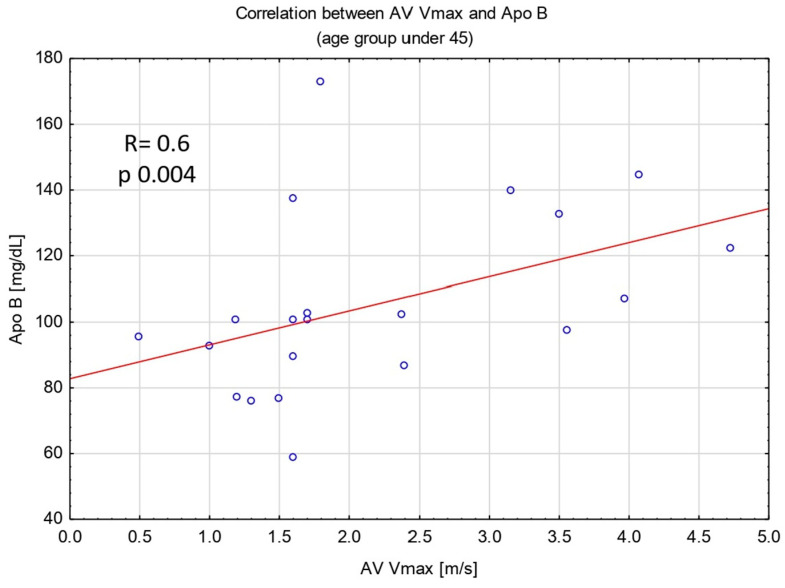
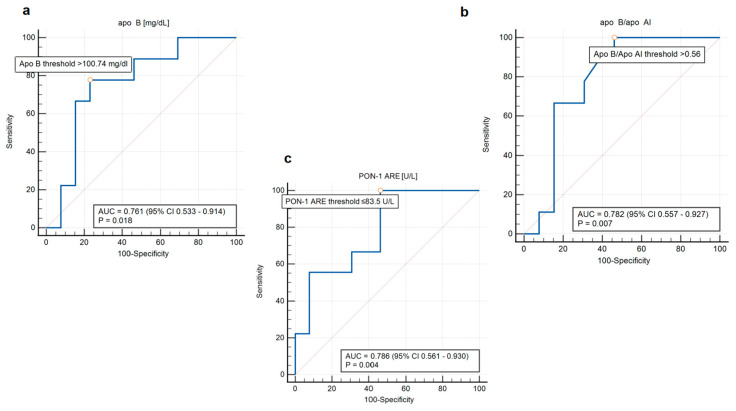
The bicuspid aortic valve (BAV) is commonly associated with the early degeneration of the aortic valve. Up to 45% of BAV patients over the age of 50 develop aortic stenosis (AS). Although published data indicate a robust interplay between lipids and calcific AS in tricuspid aortic valve patients, the studies on the BAV population are lacking. We aimed to evaluate the association between selected lipid markers and the occurrence of AS in BAV patients. Methods: The study included 76 adults (21 female) with a BAV diagnosed by echocardiography, divided by age and AS diagnosis. Biochemical parameters concentrations in serum were measured: high density lipoprotein cholesterol (HDL-C) levels by standard enzymatic colorimetric tests, low density lipoprotein cholesterol (LDL-C) levels by the Friedewald formula, apolipoprotein A-I (Apo AI) and apolipoprotein B (Apo B) serum concentration by the nephelometric method, and paraoxonase-1 activity (PON-1 ASE) and arylesterase activity (PON-1 ARE) based on paraoxon and phenyl acetate hydrolysis. Results: A total of 54 patients (15 female) were more than 45 years old and 22 (6 female) were 45 or less years old. BAV patients with AS aged ≤45 had higher levels of Apo B, compared to those without AS [110.5 (102-132) vs. 95.6 (77-101) mg/d; p 0.044]. Similarly, Apo B/Apo AI ratio was higher in BAV patients with AS aged ≤45, compared to those without AS [(0.8 (0.7-1) vs. 0.6 (0.5-0.7); p 0.029]. In the group aged ≤45, Apo B showed a positive correlation with the aortic valve peak transvalvular velocity (AV Vmax) measurement (R Spearman 0.6, p 0.004). We found also that, among young BAV patients, those with AS had a lower level of PON-1 ARE compared to the cohort without AS [63.4 (52-80) vs. 85.3 (70-102); p 0.012]. We did not find any differences in lipid parameters in patients aged >45. Conclusions The metabolic link between Apo B level and Apo B/AI ratio with AS presence in BAV patients under 45 years of age suggests a significant impact of these parameters on the earlier development of AS in the BAV population. Molecules associated with high density lipoprotein and its antioxidant function, such as PON1, are valuable markers for AS development, compared to HDL-C and LDL-C levels.
AntioxidantsBiochemistry, Genetics and Molecular Biology-Physiology
CiteScore
10.60
自引率
11.40%
发文量
2123
审稿时长
16.3 days
期刊介绍:
Antioxidants (ISSN 2076-3921), provides an advanced forum for studies related to the science and technology of antioxidants. It publishes research papers, reviews and communications. Our aim is to encourage scientists to publish their experimental and theoretical results in as much detail as possible. There is no restriction on the length of the papers. The full experimental details must be provided so that the results can be reproduced. Electronic files and software regarding the full details of the calculation or experimental procedure, if unable to be published in a normal way, can be deposited as supplementary electronic material.





 京公网安备 11010802042870号
京ICP备2023020795号-1
京公网安备 11010802042870号
京ICP备2023020795号-1

 分享
分享
 求助内容:
求助内容: 应助结果提醒方式:
 扫码关注我们
