{"title":"社交媒体帖子健康信念模型建构评价项目的心理测量分析:Rasch测量模型的应用","authors":"Xiaofeng Jia, Soyeon Ahn","doi":"10.3390/bs15020204","DOIUrl":null,"url":null,"abstract":"<p><p>Social media is a crucial tool for health communication as it provides an immediate, wide-reaching platform to share information, correct misinformation, and promote health behaviors. The Health Belief Model (HBM) offers a structured approach for designing more effective social media messages by employing unique constructs predicting health behaviors, such as severity, susceptibility, benefits, barriers, and self-efficacy. While prior research has explored HBM constructs in health messages, most studies have collected the survey data with items lacking robust psychometric evidence, particularly in evaluating social media posts. This study addresses this gap by using Rasch Measurement Theory (RMT) to analyze the psychometric properties of HBM items evaluating social media posts promoting COVID-19 vaccination. The findings indicate that severity, benefits, and barriers are the most reliable HBM constructs in social media posts, while susceptibility and self-efficacy are underutilized in health messaging for social media. Also, dimensionality analysis confirms distinct patterns, but unexplained variance suggests that additional factors influence vaccine messaging, raising validity concerns. These results underscore the need to refine HBM-based message strategies by emphasizing overlooked constructs and improving item effectiveness. This study provides guidelines for using HBM-related measures in social media by establishing comprehensive psychometric properties, especially when applied in social media contexts. It also presents practical guidelines for designing and evaluating social media health messages, ensuring they effectively utilize HBM constructs to promote positive health behaviors. Future research should explore measurement invariance and content creators' emphasis on HBM constructs, leveraging high-engagement tweets while expanding to diverse perspectives for broader applicability.</p>","PeriodicalId":8742,"journal":{"name":"Behavioral Sciences","volume":"15 2","pages":""},"PeriodicalIF":2.5000,"publicationDate":"2025-02-13","publicationTypes":"Journal Article","fieldsOfStudy":null,"isOpenAccess":false,"openAccessPdf":"https://www.ncbi.nlm.nih.gov/pmc/articles/PMC11851386/pdf/","citationCount":"0","resultStr":"{\"title\":\"Psychometric Analysis of Items Evaluating Health Belief Model Constructs in Social Media Posts: Application of Rasch Measurement Model.\",\"authors\":\"Xiaofeng Jia, Soyeon Ahn\",\"doi\":\"10.3390/bs15020204\",\"DOIUrl\":null,\"url\":null,\"abstract\":\"<p><p>Social media is a crucial tool for health communication as it provides an immediate, wide-reaching platform to share information, correct misinformation, and promote health behaviors. The Health Belief Model (HBM) offers a structured approach for designing more effective social media messages by employing unique constructs predicting health behaviors, such as severity, susceptibility, benefits, barriers, and self-efficacy. While prior research has explored HBM constructs in health messages, most studies have collected the survey data with items lacking robust psychometric evidence, particularly in evaluating social media posts. This study addresses this gap by using Rasch Measurement Theory (RMT) to analyze the psychometric properties of HBM items evaluating social media posts promoting COVID-19 vaccination. The findings indicate that severity, benefits, and barriers are the most reliable HBM constructs in social media posts, while susceptibility and self-efficacy are underutilized in health messaging for social media. Also, dimensionality analysis confirms distinct patterns, but unexplained variance suggests that additional factors influence vaccine messaging, raising validity concerns. These results underscore the need to refine HBM-based message strategies by emphasizing overlooked constructs and improving item effectiveness. This study provides guidelines for using HBM-related measures in social media by establishing comprehensive psychometric properties, especially when applied in social media contexts. It also presents practical guidelines for designing and evaluating social media health messages, ensuring they effectively utilize HBM constructs to promote positive health behaviors. Future research should explore measurement invariance and content creators' emphasis on HBM constructs, leveraging high-engagement tweets while expanding to diverse perspectives for broader applicability.</p>\",\"PeriodicalId\":8742,\"journal\":{\"name\":\"Behavioral Sciences\",\"volume\":\"15 2\",\"pages\":\"\"},\"PeriodicalIF\":2.5000,\"publicationDate\":\"2025-02-13\",\"publicationTypes\":\"Journal Article\",\"fieldsOfStudy\":null,\"isOpenAccess\":false,\"openAccessPdf\":\"https://www.ncbi.nlm.nih.gov/pmc/articles/PMC11851386/pdf/\",\"citationCount\":\"0\",\"resultStr\":null,\"platform\":\"Semanticscholar\",\"paperid\":null,\"PeriodicalName\":\"Behavioral Sciences\",\"FirstCategoryId\":\"102\",\"ListUrlMain\":\"https://doi.org/10.3390/bs15020204\",\"RegionNum\":3,\"RegionCategory\":\"心理学\",\"ArticlePicture\":[],\"TitleCN\":null,\"AbstractTextCN\":null,\"PMCID\":null,\"EPubDate\":\"\",\"PubModel\":\"\",\"JCR\":\"Q2\",\"JCRName\":\"PSYCHOLOGY, MULTIDISCIPLINARY\",\"Score\":null,\"Total\":0}","platform":"Semanticscholar","paperid":null,"PeriodicalName":"Behavioral Sciences","FirstCategoryId":"102","ListUrlMain":"https://doi.org/10.3390/bs15020204","RegionNum":3,"RegionCategory":"心理学","ArticlePicture":[],"TitleCN":null,"AbstractTextCN":null,"PMCID":null,"EPubDate":"","PubModel":"","JCR":"Q2","JCRName":"PSYCHOLOGY, MULTIDISCIPLINARY","Score":null,"Total":0}
Psychometric Analysis of Items Evaluating Health Belief Model Constructs in Social Media Posts: Application of Rasch Measurement Model.
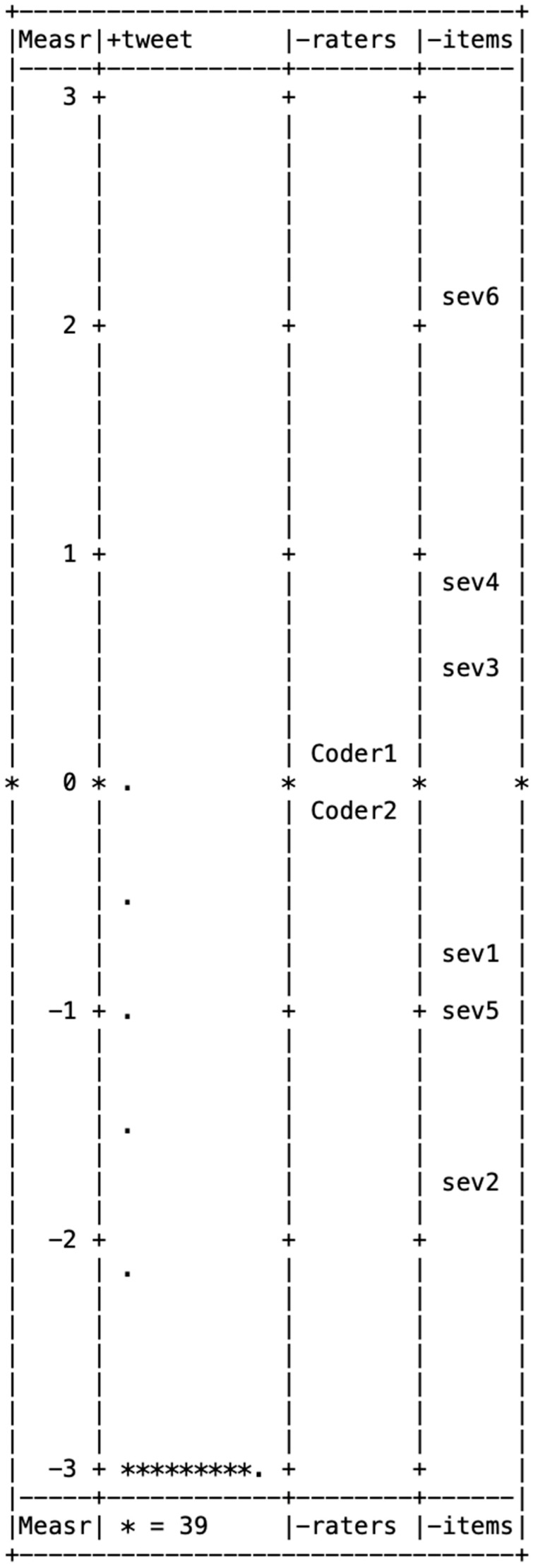
Social media is a crucial tool for health communication as it provides an immediate, wide-reaching platform to share information, correct misinformation, and promote health behaviors. The Health Belief Model (HBM) offers a structured approach for designing more effective social media messages by employing unique constructs predicting health behaviors, such as severity, susceptibility, benefits, barriers, and self-efficacy. While prior research has explored HBM constructs in health messages, most studies have collected the survey data with items lacking robust psychometric evidence, particularly in evaluating social media posts. This study addresses this gap by using Rasch Measurement Theory (RMT) to analyze the psychometric properties of HBM items evaluating social media posts promoting COVID-19 vaccination. The findings indicate that severity, benefits, and barriers are the most reliable HBM constructs in social media posts, while susceptibility and self-efficacy are underutilized in health messaging for social media. Also, dimensionality analysis confirms distinct patterns, but unexplained variance suggests that additional factors influence vaccine messaging, raising validity concerns. These results underscore the need to refine HBM-based message strategies by emphasizing overlooked constructs and improving item effectiveness. This study provides guidelines for using HBM-related measures in social media by establishing comprehensive psychometric properties, especially when applied in social media contexts. It also presents practical guidelines for designing and evaluating social media health messages, ensuring they effectively utilize HBM constructs to promote positive health behaviors. Future research should explore measurement invariance and content creators' emphasis on HBM constructs, leveraging high-engagement tweets while expanding to diverse perspectives for broader applicability.







 京公网安备 11010802042870号
京ICP备2023020795号-1
京公网安备 11010802042870号
京ICP备2023020795号-1

 分享
分享
 求助内容:
求助内容: 应助结果提醒方式:
 扫码关注我们
