{"title":"评估YouTube上关于精神姑息治疗视频的质量、可靠性和透明度:内容分析。","authors":"Fhaied Almobarak","doi":"10.3389/fpubh.2025.1497855","DOIUrl":null,"url":null,"abstract":"<p><strong>Aim: </strong>To inspect the quality, reliability, and transparency of YouTube videos on spiritual palliative care by employing systematic scoring benchmarks, such as JAMA and Modified DISCERN.</p><p><strong>Background: </strong>Spiritual care is vital in palliative care, and YouTube is a popular platform for health information, though the quality of such content remains unexplored. The present study is the first analysis of spiritual palliative care videos on YouTube, revealing the types of creators (e.g., educational institutions, healthcare providers, etc.), dominant video formats (documentaries, testimonials, lectures, etc.), and overall quality and transparency of the content.</p><p><strong>Methods: </strong>On 19th April 2024, a sample of 50 spiritual palliative care YouTube videos was compiled and examined for quality, reliability, and transparency assessment. JAMA and Modified DISCERN scoring systems were used to score the sample videos. The first step in data analysis was determining the variables' normality. For this, the Shapiro-Wilk test was employed. The data was not normally distributed, so group-wise comparisons and correlation analysis were conducted using non-parametric methods. Correlation analysis was done using the Spearman's test. The quantitative data of the groups/categories were compared using the Kruskal-Wallis test.</p><p><strong>Results: </strong>The current study's findings showcase that the quality, reliability, and transparency of the spiritual palliative care YouTube videos are moderate. The mean JAMA score for transparency was slightly better than the mean Modified DISCERN score for the quality/reliability of the sample videos.</p><p><strong>Impact: </strong>The current study addresses the ambiguity about the quality, reliability, and transparency of spiritual palliative care videos on YouTube. The results highlight the lack of superior quality, reliability, and transparency of the available video content related to the subject. Concerned authorities must recognize the risk of contact with substandard quality health-related YouTube content. To promote public health, initiatives are needed to increase patients' chances of access to high-quality YouTube information about the spiritual facet of palliative care.</p>","PeriodicalId":12548,"journal":{"name":"Frontiers in Public Health","volume":"13 ","pages":"1497855"},"PeriodicalIF":3.4000,"publicationDate":"2025-02-11","publicationTypes":"Journal Article","fieldsOfStudy":null,"isOpenAccess":false,"openAccessPdf":"https://www.ncbi.nlm.nih.gov/pmc/articles/PMC11851081/pdf/","citationCount":"0","resultStr":"{\"title\":\"Assessing the quality, reliability, and transparency of YouTube videos on spiritual palliative care: a content analysis.\",\"authors\":\"Fhaied Almobarak\",\"doi\":\"10.3389/fpubh.2025.1497855\",\"DOIUrl\":null,\"url\":null,\"abstract\":\"<p><strong>Aim: </strong>To inspect the quality, reliability, and transparency of YouTube videos on spiritual palliative care by employing systematic scoring benchmarks, such as JAMA and Modified DISCERN.</p><p><strong>Background: </strong>Spiritual care is vital in palliative care, and YouTube is a popular platform for health information, though the quality of such content remains unexplored. The present study is the first analysis of spiritual palliative care videos on YouTube, revealing the types of creators (e.g., educational institutions, healthcare providers, etc.), dominant video formats (documentaries, testimonials, lectures, etc.), and overall quality and transparency of the content.</p><p><strong>Methods: </strong>On 19th April 2024, a sample of 50 spiritual palliative care YouTube videos was compiled and examined for quality, reliability, and transparency assessment. JAMA and Modified DISCERN scoring systems were used to score the sample videos. The first step in data analysis was determining the variables' normality. For this, the Shapiro-Wilk test was employed. The data was not normally distributed, so group-wise comparisons and correlation analysis were conducted using non-parametric methods. Correlation analysis was done using the Spearman's test. The quantitative data of the groups/categories were compared using the Kruskal-Wallis test.</p><p><strong>Results: </strong>The current study's findings showcase that the quality, reliability, and transparency of the spiritual palliative care YouTube videos are moderate. The mean JAMA score for transparency was slightly better than the mean Modified DISCERN score for the quality/reliability of the sample videos.</p><p><strong>Impact: </strong>The current study addresses the ambiguity about the quality, reliability, and transparency of spiritual palliative care videos on YouTube. The results highlight the lack of superior quality, reliability, and transparency of the available video content related to the subject. Concerned authorities must recognize the risk of contact with substandard quality health-related YouTube content. To promote public health, initiatives are needed to increase patients' chances of access to high-quality YouTube information about the spiritual facet of palliative care.</p>\",\"PeriodicalId\":12548,\"journal\":{\"name\":\"Frontiers in Public Health\",\"volume\":\"13 \",\"pages\":\"1497855\"},\"PeriodicalIF\":3.4000,\"publicationDate\":\"2025-02-11\",\"publicationTypes\":\"Journal Article\",\"fieldsOfStudy\":null,\"isOpenAccess\":false,\"openAccessPdf\":\"https://www.ncbi.nlm.nih.gov/pmc/articles/PMC11851081/pdf/\",\"citationCount\":\"0\",\"resultStr\":null,\"platform\":\"Semanticscholar\",\"paperid\":null,\"PeriodicalName\":\"Frontiers in Public Health\",\"FirstCategoryId\":\"3\",\"ListUrlMain\":\"https://doi.org/10.3389/fpubh.2025.1497855\",\"RegionNum\":3,\"RegionCategory\":\"医学\",\"ArticlePicture\":[],\"TitleCN\":null,\"AbstractTextCN\":null,\"PMCID\":null,\"EPubDate\":\"2025/1/1 0:00:00\",\"PubModel\":\"eCollection\",\"JCR\":\"Q2\",\"JCRName\":\"PUBLIC, ENVIRONMENTAL & OCCUPATIONAL HEALTH\",\"Score\":null,\"Total\":0}","platform":"Semanticscholar","paperid":null,"PeriodicalName":"Frontiers in Public Health","FirstCategoryId":"3","ListUrlMain":"https://doi.org/10.3389/fpubh.2025.1497855","RegionNum":3,"RegionCategory":"医学","ArticlePicture":[],"TitleCN":null,"AbstractTextCN":null,"PMCID":null,"EPubDate":"2025/1/1 0:00:00","PubModel":"eCollection","JCR":"Q2","JCRName":"PUBLIC, ENVIRONMENTAL & OCCUPATIONAL HEALTH","Score":null,"Total":0}
Assessing the quality, reliability, and transparency of YouTube videos on spiritual palliative care: a content analysis.
Aim: To inspect the quality, reliability, and transparency of YouTube videos on spiritual palliative care by employing systematic scoring benchmarks, such as JAMA and Modified DISCERN.
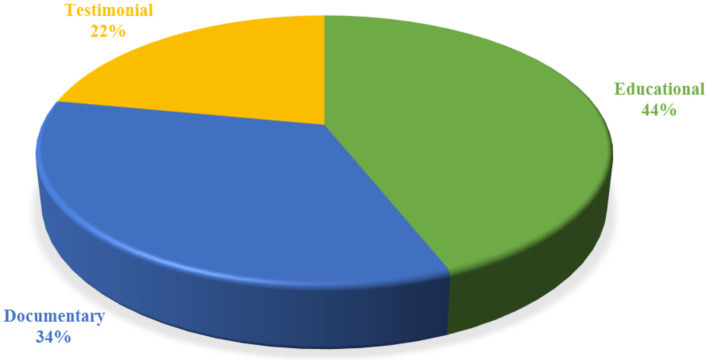
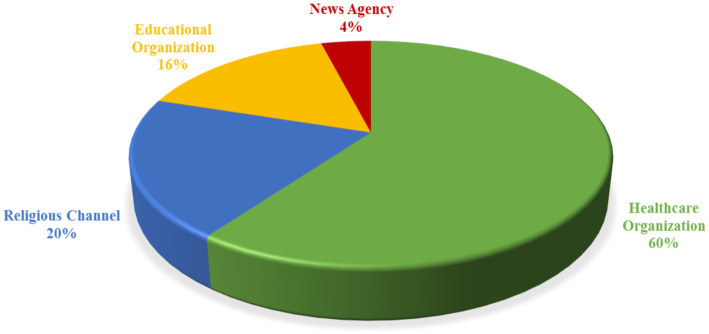
Background: Spiritual care is vital in palliative care, and YouTube is a popular platform for health information, though the quality of such content remains unexplored. The present study is the first analysis of spiritual palliative care videos on YouTube, revealing the types of creators (e.g., educational institutions, healthcare providers, etc.), dominant video formats (documentaries, testimonials, lectures, etc.), and overall quality and transparency of the content.
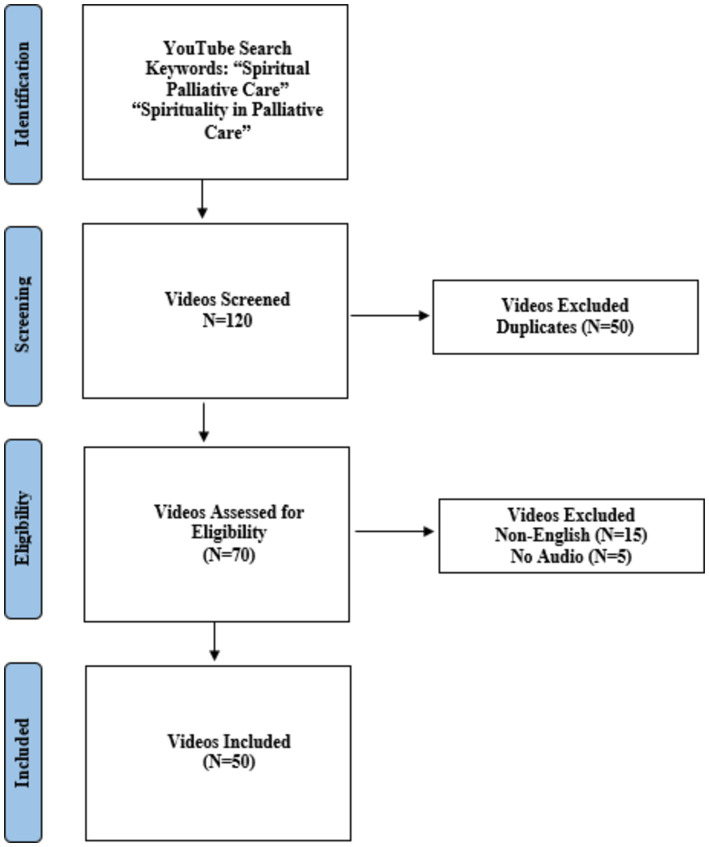
Methods: On 19th April 2024, a sample of 50 spiritual palliative care YouTube videos was compiled and examined for quality, reliability, and transparency assessment. JAMA and Modified DISCERN scoring systems were used to score the sample videos. The first step in data analysis was determining the variables' normality. For this, the Shapiro-Wilk test was employed. The data was not normally distributed, so group-wise comparisons and correlation analysis were conducted using non-parametric methods. Correlation analysis was done using the Spearman's test. The quantitative data of the groups/categories were compared using the Kruskal-Wallis test.
Results: The current study's findings showcase that the quality, reliability, and transparency of the spiritual palliative care YouTube videos are moderate. The mean JAMA score for transparency was slightly better than the mean Modified DISCERN score for the quality/reliability of the sample videos.
Impact: The current study addresses the ambiguity about the quality, reliability, and transparency of spiritual palliative care videos on YouTube. The results highlight the lack of superior quality, reliability, and transparency of the available video content related to the subject. Concerned authorities must recognize the risk of contact with substandard quality health-related YouTube content. To promote public health, initiatives are needed to increase patients' chances of access to high-quality YouTube information about the spiritual facet of palliative care.
期刊介绍:
Frontiers in Public Health is a multidisciplinary open-access journal which publishes rigorously peer-reviewed research and is at the forefront of disseminating and communicating scientific knowledge and impactful discoveries to researchers, academics, clinicians, policy makers and the public worldwide. The journal aims at overcoming current fragmentation in research and publication, promoting consistency in pursuing relevant scientific themes, and supporting finding dissemination and translation into practice.
Frontiers in Public Health is organized into Specialty Sections that cover different areas of research in the field. Please refer to the author guidelines for details on article types and the submission process.




 京公网安备 11010802042870号
京ICP备2023020795号-1
京公网安备 11010802042870号
京ICP备2023020795号-1

 分享
分享
 求助内容:
求助内容: 应助结果提醒方式:
 扫码关注我们
