Iwona Kowalska, Agata Soluch, Jarosław Mołdoch, Krzysztof Jończyk
{"title":"耕作制度和栽培品种对冬小麦(Triticum aestivum L.)生物活性化合物定性和定量组成的影响","authors":"Iwona Kowalska, Agata Soluch, Jarosław Mołdoch, Krzysztof Jończyk","doi":"10.3390/molecules30040902","DOIUrl":null,"url":null,"abstract":"<p><p><i>Triticum aestivum</i> L. subsp. <i>spelta</i> (cv. Rokosz) and common winter wheat <i>Triticum aestivum</i> L. subsp. <i>aestivum</i> (cv. Arktis, Belissa, Estivus, Fidelius, Hondia, Jantarka, KWS Ozon, Linus, Markiza, Ostka Strzelecka, Pokusa) grown in an organic farming system were analyzed and compared. Furthermore, the productivity of four common wheat cultivars (cv. Fidelius, Hondia, Jantarka, KWS Ozon) grown under four different (organic, conventional integrated, and monoculture) farming systems was compared. Using UPLC-DAD-MS, UPLC-PDA-MS/MS, and TLC-DPPH<sup>•</sup>, nine phenolic acids, nine alkylresorcinols, and their antiradical activity were identified and quantified. In the organic farming system, the highest yield was observed for <i>T. aestivum</i> L. subsp. <i>aestivum</i> cv. Fidelius (4.17 t/ha). Infections of wheat cultivars were low or at a medium level. The highest resistance to <i>Fusarium</i> fungi was shown by cv. Fidelius, which also exhibited the highest alkylresorcinol content and antioxidant capacity. The total phenolic acid content was highest in cv. Rokosz (1302.3 µg/g), followed by common winter wheat cultivars cv. Linus (1135.1 µg/g) and cv. Markiza (1089.6 µg/g). The potential of winter wheat cultivars for human health and their suitability for cultivation in different production systems was determined, showing significant differences in bioactive compounds depending on cultivars, systems, and years.</p>","PeriodicalId":19041,"journal":{"name":"Molecules","volume":"30 4","pages":""},"PeriodicalIF":5.1000,"publicationDate":"2025-02-15","publicationTypes":"Journal Article","fieldsOfStudy":null,"isOpenAccess":false,"openAccessPdf":"https://www.ncbi.nlm.nih.gov/pmc/articles/PMC11858240/pdf/","citationCount":"0","resultStr":"{\"title\":\"The Effect of Farming Systems and Cultivars on the Qualitative and Quantitative Composition of Bioactive Compounds in Winter Wheat (<i>Triticum aestivum</i> L.).\",\"authors\":\"Iwona Kowalska, Agata Soluch, Jarosław Mołdoch, Krzysztof Jończyk\",\"doi\":\"10.3390/molecules30040902\",\"DOIUrl\":null,\"url\":null,\"abstract\":\"<p><p><i>Triticum aestivum</i> L. subsp. <i>spelta</i> (cv. Rokosz) and common winter wheat <i>Triticum aestivum</i> L. subsp. <i>aestivum</i> (cv. Arktis, Belissa, Estivus, Fidelius, Hondia, Jantarka, KWS Ozon, Linus, Markiza, Ostka Strzelecka, Pokusa) grown in an organic farming system were analyzed and compared. Furthermore, the productivity of four common wheat cultivars (cv. Fidelius, Hondia, Jantarka, KWS Ozon) grown under four different (organic, conventional integrated, and monoculture) farming systems was compared. Using UPLC-DAD-MS, UPLC-PDA-MS/MS, and TLC-DPPH<sup>•</sup>, nine phenolic acids, nine alkylresorcinols, and their antiradical activity were identified and quantified. In the organic farming system, the highest yield was observed for <i>T. aestivum</i> L. subsp. <i>aestivum</i> cv. Fidelius (4.17 t/ha). Infections of wheat cultivars were low or at a medium level. The highest resistance to <i>Fusarium</i> fungi was shown by cv. Fidelius, which also exhibited the highest alkylresorcinol content and antioxidant capacity. The total phenolic acid content was highest in cv. Rokosz (1302.3 µg/g), followed by common winter wheat cultivars cv. Linus (1135.1 µg/g) and cv. Markiza (1089.6 µg/g). The potential of winter wheat cultivars for human health and their suitability for cultivation in different production systems was determined, showing significant differences in bioactive compounds depending on cultivars, systems, and years.</p>\",\"PeriodicalId\":19041,\"journal\":{\"name\":\"Molecules\",\"volume\":\"30 4\",\"pages\":\"\"},\"PeriodicalIF\":5.1000,\"publicationDate\":\"2025-02-15\",\"publicationTypes\":\"Journal Article\",\"fieldsOfStudy\":null,\"isOpenAccess\":false,\"openAccessPdf\":\"https://www.ncbi.nlm.nih.gov/pmc/articles/PMC11858240/pdf/\",\"citationCount\":\"0\",\"resultStr\":null,\"platform\":\"Semanticscholar\",\"paperid\":null,\"PeriodicalName\":\"Molecules\",\"FirstCategoryId\":\"92\",\"ListUrlMain\":\"https://doi.org/10.3390/molecules30040902\",\"RegionNum\":2,\"RegionCategory\":\"化学\",\"ArticlePicture\":[],\"TitleCN\":null,\"AbstractTextCN\":null,\"PMCID\":null,\"EPubDate\":\"\",\"PubModel\":\"\",\"JCR\":\"Q2\",\"JCRName\":\"BIOCHEMISTRY & MOLECULAR BIOLOGY\",\"Score\":null,\"Total\":0}","platform":"Semanticscholar","paperid":null,"PeriodicalName":"Molecules","FirstCategoryId":"92","ListUrlMain":"https://doi.org/10.3390/molecules30040902","RegionNum":2,"RegionCategory":"化学","ArticlePicture":[],"TitleCN":null,"AbstractTextCN":null,"PMCID":null,"EPubDate":"","PubModel":"","JCR":"Q2","JCRName":"BIOCHEMISTRY & MOLECULAR BIOLOGY","Score":null,"Total":0}
引用次数: 0
摘要
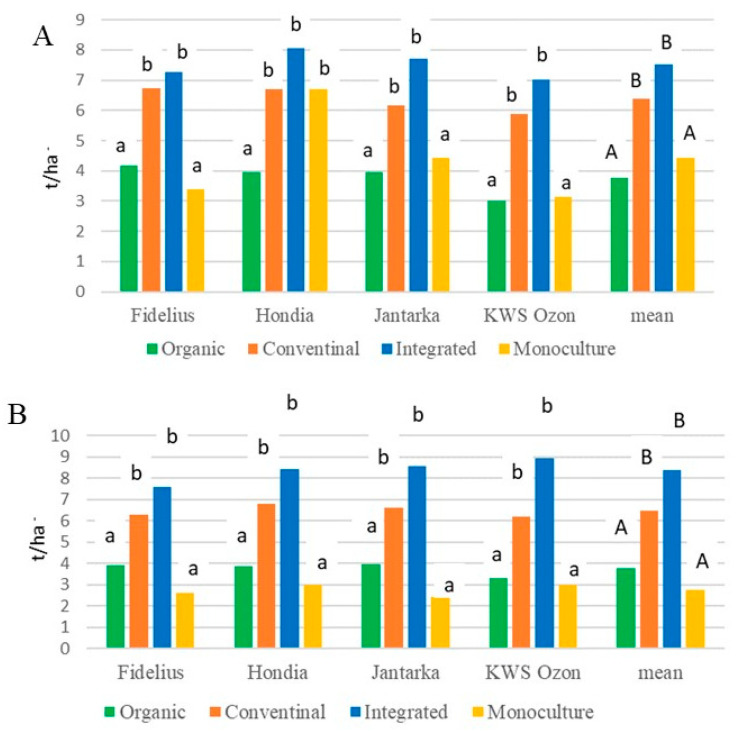
小麦(Triticum aestivum L. subsp)spelta(简历。普通冬小麦(Triticum aestivum L. subsp.)。aestivum(简历。对在有机耕作系统中生长的Arktis、Belissa、Estivus、Fidelius、Hondia、Jantarka、KWS Ozon、Linus、Markiza、Ostka Strzelecka、Pokusa进行了分析比较。此外,4个普通小麦品种(cv。比较了四种不同(有机、传统综合和单一)耕作制度下生长的赤豆、Hondia、Jantarka、KWS Ozon。采用UPLC-DAD-MS、UPLC-PDA-MS/MS和TLC-DPPH•对9种酚酸、9种烷基间苯二酚及其抗自由基活性进行了鉴定和定量。在有机耕作系统中,T. aestivum L. subsp产量最高。aestivum简历。赤胆星(4.17吨/公顷)。小麦品种侵染率低或处于中等水平。对镰刀菌的抗性最高的是cv。赤藻的烷基间苯二酚含量和抗氧化能力也最高。总酚酸含量最高。Rokosz(1302.3µg/g),其次是普通冬小麦品种cv。Linus(1135.1µg/g);Markiza(1089.6µg/g)。测定了冬小麦品种对人类健康的潜力及其在不同生产体系下的适宜性,发现不同品种、体系和年份的冬小麦品种在生物活性成分方面存在显著差异。
The Effect of Farming Systems and Cultivars on the Qualitative and Quantitative Composition of Bioactive Compounds in Winter Wheat (Triticum aestivum L.).
Triticum aestivum L. subsp. spelta (cv. Rokosz) and common winter wheat Triticum aestivum L. subsp. aestivum (cv. Arktis, Belissa, Estivus, Fidelius, Hondia, Jantarka, KWS Ozon, Linus, Markiza, Ostka Strzelecka, Pokusa) grown in an organic farming system were analyzed and compared. Furthermore, the productivity of four common wheat cultivars (cv. Fidelius, Hondia, Jantarka, KWS Ozon) grown under four different (organic, conventional integrated, and monoculture) farming systems was compared. Using UPLC-DAD-MS, UPLC-PDA-MS/MS, and TLC-DPPH•, nine phenolic acids, nine alkylresorcinols, and their antiradical activity were identified and quantified. In the organic farming system, the highest yield was observed for T. aestivum L. subsp. aestivum cv. Fidelius (4.17 t/ha). Infections of wheat cultivars were low or at a medium level. The highest resistance to Fusarium fungi was shown by cv. Fidelius, which also exhibited the highest alkylresorcinol content and antioxidant capacity. The total phenolic acid content was highest in cv. Rokosz (1302.3 µg/g), followed by common winter wheat cultivars cv. Linus (1135.1 µg/g) and cv. Markiza (1089.6 µg/g). The potential of winter wheat cultivars for human health and their suitability for cultivation in different production systems was determined, showing significant differences in bioactive compounds depending on cultivars, systems, and years.
期刊介绍:
Molecules (ISSN 1420-3049, CODEN: MOLEFW) is an open access journal of synthetic organic chemistry and natural product chemistry. All articles are peer-reviewed and published continously upon acceptance. Molecules is published by MDPI, Basel, Switzerland. Our aim is to encourage chemists to publish as much as possible their experimental detail, particularly synthetic procedures and characterization information. There is no restriction on the length of the experimental section. In addition, availability of compound samples is published and considered as important information. Authors are encouraged to register or deposit their chemical samples through the non-profit international organization Molecular Diversity Preservation International (MDPI). Molecules has been launched in 1996 to preserve and exploit molecular diversity of both, chemical information and chemical substances.






 京公网安备 11010802042870号
京ICP备2023020795号-1
京公网安备 11010802042870号
京ICP备2023020795号-1

 分享
分享
 求助内容:
求助内容: 应助结果提醒方式:
 扫码关注我们
