Véronique Quenardelle, Anne-Laure Charles, Anne Charloux, Jean-Sébastien Raul, Valérie Wolff, Bernard Geny
{"title":"幼年和伴随大麻(THC)和乙醇(EtOH)暴露通过减少脑线粒体呼吸增强大鼠脑损伤。","authors":"Véronique Quenardelle, Anne-Laure Charles, Anne Charloux, Jean-Sébastien Raul, Valérie Wolff, Bernard Geny","doi":"10.3390/molecules30040918","DOIUrl":null,"url":null,"abstract":"<p><p>The reason why young people taking concomitantly cannabis (THC) and ethanol (EtOH) are more prone to stroke is underresearched. To investigate whether an underlying mechanism of increased brain damage could be an impaired mitochondrial function, this experiment determined the acute effects of EtOH, both alone and associated with THC, on mitochondrial respiration and oxidative stress (hydrogen peroxide H<sub>2</sub>O<sub>2</sub>) on young (11 weeks) and middle-aged (45 weeks) brain in rats, using a high-resolution oxygraph (Oxygraph-2K, Oroboros instruments). In young brains, EtOH decreased mitochondrial respiration by -51.76 ± 2.60% (from 32.76 ± 3.82 to 17.41 ± 1.42 pmol/s/mL, <i>p</i> < 0.0001). In 45-week-old brains, the decrease was lesser, but still significant -36.0 ± 2.80% (from 30.73 ± 7.72 to 20.59 ± 5.48 pmol/s/mL, <i>p</i> < 0.0001). Concomitant THC aggravated brain mitochondrial respiration decreases at 11 weeks (-86.86 ± 1.74%, <i>p</i> < 0.0001) and at 45 weeks (-73.95 ± 3.69%, <i>p</i> < 0.0001). Such additional injury was enhanced in young brains (<i>p</i> < 0.01). H<sub>2</sub>O<sub>2</sub> production was similar in both age groups (1.0 ± 0.2 versus 1.1 ± 0.08 pmol O<sub>2</sub>/s/mL) and was not modified by THC addition. In conclusion, EtOH alone significantly impairs brain mitochondrial respiration and concomitant THC further aggravates such damage, particularly in young brains. These data support the hypothesis that enhanced mitochondrial dysfunction might participate in the increased occurrence of stroke in the young and urge for better prevention against EtOH and THC addictions in adolescents.</p>","PeriodicalId":19041,"journal":{"name":"Molecules","volume":"30 4","pages":""},"PeriodicalIF":4.6000,"publicationDate":"2025-02-17","publicationTypes":"Journal Article","fieldsOfStudy":null,"isOpenAccess":false,"openAccessPdf":"https://www.ncbi.nlm.nih.gov/pmc/articles/PMC11858324/pdf/","citationCount":"0","resultStr":"{\"title\":\"Young Age and Concomitant Cannabis (THC) and Ethanol (EtOH) Exposure Enhances Rat Brain Damage Through Decreased Cerebral Mitochondrial Respiration.\",\"authors\":\"Véronique Quenardelle, Anne-Laure Charles, Anne Charloux, Jean-Sébastien Raul, Valérie Wolff, Bernard Geny\",\"doi\":\"10.3390/molecules30040918\",\"DOIUrl\":null,\"url\":null,\"abstract\":\"<p><p>The reason why young people taking concomitantly cannabis (THC) and ethanol (EtOH) are more prone to stroke is underresearched. To investigate whether an underlying mechanism of increased brain damage could be an impaired mitochondrial function, this experiment determined the acute effects of EtOH, both alone and associated with THC, on mitochondrial respiration and oxidative stress (hydrogen peroxide H<sub>2</sub>O<sub>2</sub>) on young (11 weeks) and middle-aged (45 weeks) brain in rats, using a high-resolution oxygraph (Oxygraph-2K, Oroboros instruments). In young brains, EtOH decreased mitochondrial respiration by -51.76 ± 2.60% (from 32.76 ± 3.82 to 17.41 ± 1.42 pmol/s/mL, <i>p</i> < 0.0001). In 45-week-old brains, the decrease was lesser, but still significant -36.0 ± 2.80% (from 30.73 ± 7.72 to 20.59 ± 5.48 pmol/s/mL, <i>p</i> < 0.0001). Concomitant THC aggravated brain mitochondrial respiration decreases at 11 weeks (-86.86 ± 1.74%, <i>p</i> < 0.0001) and at 45 weeks (-73.95 ± 3.69%, <i>p</i> < 0.0001). Such additional injury was enhanced in young brains (<i>p</i> < 0.01). H<sub>2</sub>O<sub>2</sub> production was similar in both age groups (1.0 ± 0.2 versus 1.1 ± 0.08 pmol O<sub>2</sub>/s/mL) and was not modified by THC addition. In conclusion, EtOH alone significantly impairs brain mitochondrial respiration and concomitant THC further aggravates such damage, particularly in young brains. These data support the hypothesis that enhanced mitochondrial dysfunction might participate in the increased occurrence of stroke in the young and urge for better prevention against EtOH and THC addictions in adolescents.</p>\",\"PeriodicalId\":19041,\"journal\":{\"name\":\"Molecules\",\"volume\":\"30 4\",\"pages\":\"\"},\"PeriodicalIF\":4.6000,\"publicationDate\":\"2025-02-17\",\"publicationTypes\":\"Journal Article\",\"fieldsOfStudy\":null,\"isOpenAccess\":false,\"openAccessPdf\":\"https://www.ncbi.nlm.nih.gov/pmc/articles/PMC11858324/pdf/\",\"citationCount\":\"0\",\"resultStr\":null,\"platform\":\"Semanticscholar\",\"paperid\":null,\"PeriodicalName\":\"Molecules\",\"FirstCategoryId\":\"92\",\"ListUrlMain\":\"https://doi.org/10.3390/molecules30040918\",\"RegionNum\":2,\"RegionCategory\":\"化学\",\"ArticlePicture\":[],\"TitleCN\":null,\"AbstractTextCN\":null,\"PMCID\":null,\"EPubDate\":\"\",\"PubModel\":\"\",\"JCR\":\"Q2\",\"JCRName\":\"BIOCHEMISTRY & MOLECULAR BIOLOGY\",\"Score\":null,\"Total\":0}","platform":"Semanticscholar","paperid":null,"PeriodicalName":"Molecules","FirstCategoryId":"92","ListUrlMain":"https://doi.org/10.3390/molecules30040918","RegionNum":2,"RegionCategory":"化学","ArticlePicture":[],"TitleCN":null,"AbstractTextCN":null,"PMCID":null,"EPubDate":"","PubModel":"","JCR":"Q2","JCRName":"BIOCHEMISTRY & MOLECULAR BIOLOGY","Score":null,"Total":0}
引用次数: 0
摘要
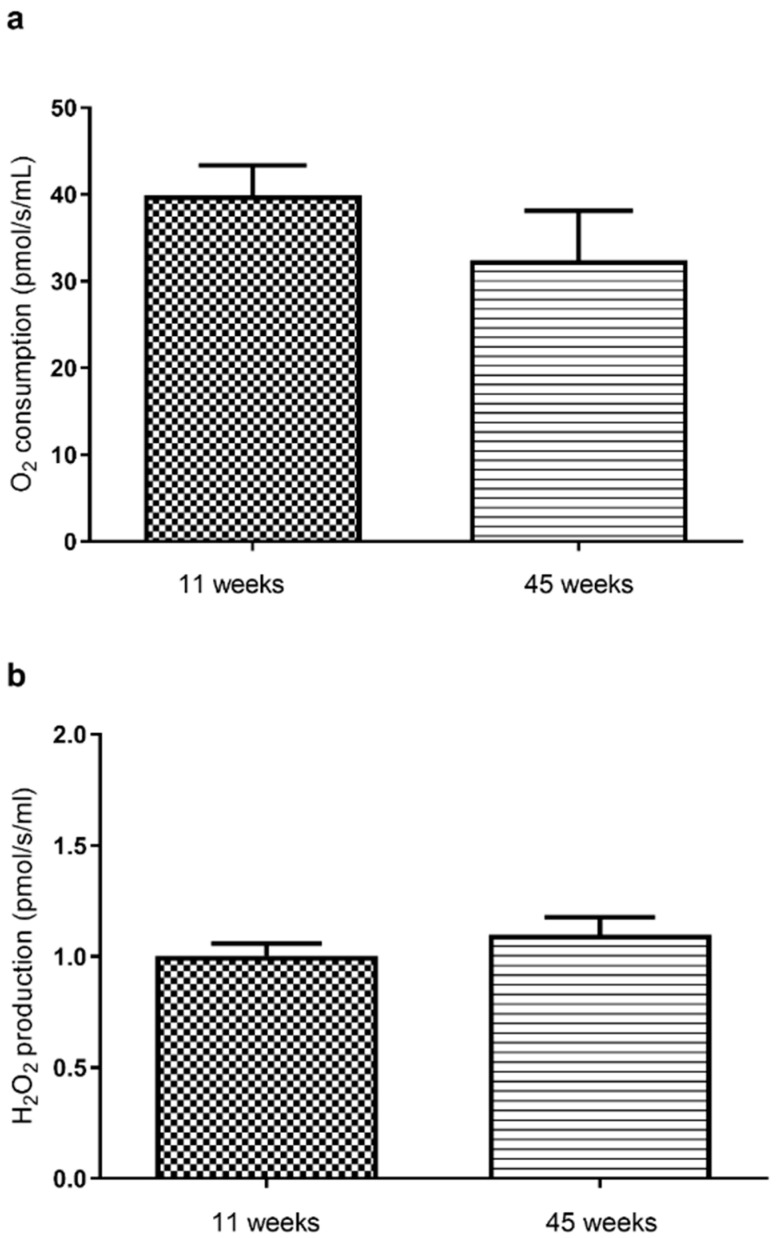
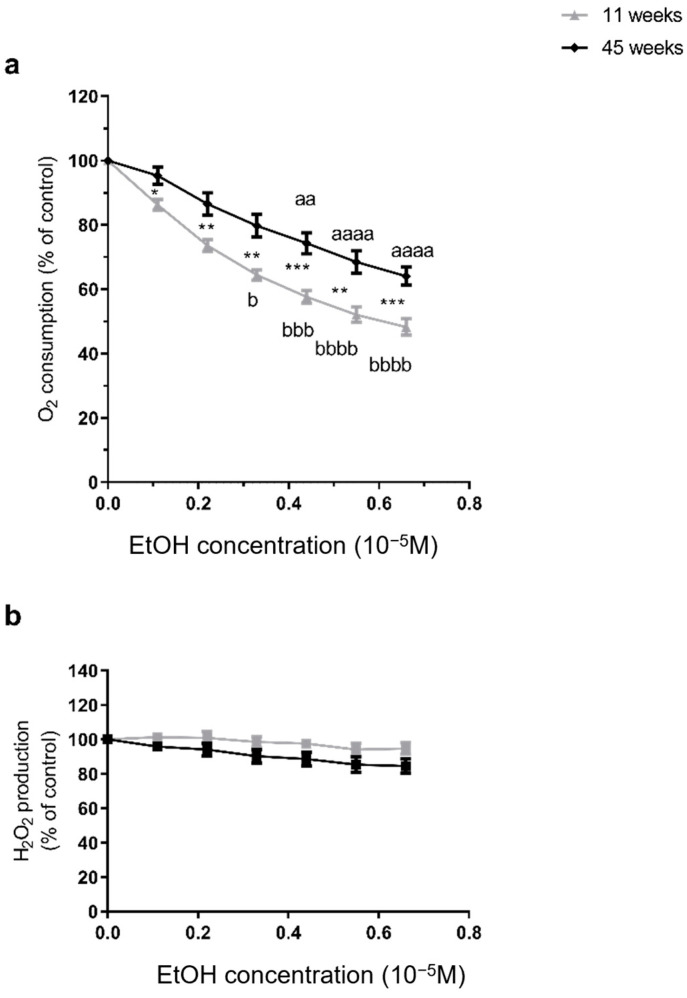
年轻人同时服用大麻(THC)和乙醇(EtOH)更容易中风的原因尚未得到充分研究。为了研究脑损伤增加的潜在机制是否可能是线粒体功能受损,本实验使用高分辨率氧描图仪(oxygraph - 2k, Oroboros仪器),确定了EtOH(单独使用或与THC相关)对幼年(11周)和中年(45周)大鼠大脑线粒体呼吸和氧化应激(过氧化氢H2O2)的急性影响。在年轻大脑中,EtOH使线粒体呼吸减少-51.76±2.60%(从32.76±3.82降至17.41±1.42 pmol/s/mL, p < 0.0001)。在45周龄的大脑中,下降幅度较小,但仍然显著-36.0±2.80%(从30.73±7.72降至20.59±5.48 pmol/s/mL, p < 0.0001)。THC同时加重脑线粒体呼吸在11周(-86.86±1.74%,p < 0.0001)和45周(-73.95±3.69%,p < 0.0001)时降低。这种附加损伤在幼龄脑组织中增强(p < 0.01)。两个年龄组的H2O2产量相似(1.0±0.2 pmol O2/s/mL vs 1.1±0.08 pmol O2/s/mL),并且不受THC添加的影响。总之,EtOH单独显著损害脑线粒体呼吸,而伴随的四氢大麻酚进一步加重了这种损害,特别是在年轻的大脑中。这些数据支持了线粒体功能障碍的增强可能与年轻人中风发生率的增加有关的假设,并敦促更好地预防青少年对EtOH和THC的依赖。
Young Age and Concomitant Cannabis (THC) and Ethanol (EtOH) Exposure Enhances Rat Brain Damage Through Decreased Cerebral Mitochondrial Respiration.
The reason why young people taking concomitantly cannabis (THC) and ethanol (EtOH) are more prone to stroke is underresearched. To investigate whether an underlying mechanism of increased brain damage could be an impaired mitochondrial function, this experiment determined the acute effects of EtOH, both alone and associated with THC, on mitochondrial respiration and oxidative stress (hydrogen peroxide H2O2) on young (11 weeks) and middle-aged (45 weeks) brain in rats, using a high-resolution oxygraph (Oxygraph-2K, Oroboros instruments). In young brains, EtOH decreased mitochondrial respiration by -51.76 ± 2.60% (from 32.76 ± 3.82 to 17.41 ± 1.42 pmol/s/mL, p < 0.0001). In 45-week-old brains, the decrease was lesser, but still significant -36.0 ± 2.80% (from 30.73 ± 7.72 to 20.59 ± 5.48 pmol/s/mL, p < 0.0001). Concomitant THC aggravated brain mitochondrial respiration decreases at 11 weeks (-86.86 ± 1.74%, p < 0.0001) and at 45 weeks (-73.95 ± 3.69%, p < 0.0001). Such additional injury was enhanced in young brains (p < 0.01). H2O2 production was similar in both age groups (1.0 ± 0.2 versus 1.1 ± 0.08 pmol O2/s/mL) and was not modified by THC addition. In conclusion, EtOH alone significantly impairs brain mitochondrial respiration and concomitant THC further aggravates such damage, particularly in young brains. These data support the hypothesis that enhanced mitochondrial dysfunction might participate in the increased occurrence of stroke in the young and urge for better prevention against EtOH and THC addictions in adolescents.
期刊介绍:
Molecules (ISSN 1420-3049, CODEN: MOLEFW) is an open access journal of synthetic organic chemistry and natural product chemistry. All articles are peer-reviewed and published continously upon acceptance. Molecules is published by MDPI, Basel, Switzerland. Our aim is to encourage chemists to publish as much as possible their experimental detail, particularly synthetic procedures and characterization information. There is no restriction on the length of the experimental section. In addition, availability of compound samples is published and considered as important information. Authors are encouraged to register or deposit their chemical samples through the non-profit international organization Molecular Diversity Preservation International (MDPI). Molecules has been launched in 1996 to preserve and exploit molecular diversity of both, chemical information and chemical substances.





 京公网安备 11010802042870号
京ICP备2023020795号-1
京公网安备 11010802042870号
京ICP备2023020795号-1

 分享
分享
 求助内容:
求助内容: 应助结果提醒方式:
 扫码关注我们
