Marion Murungi, Patrick Vudriko, Helen Byomire Ndagije, Diana Nakitto Kesi, Allan Serwanga, Kalidi Rajab, Leonard Manirakiza, John Paul Waswa, Hassan Kasujja, Mark Barigye, Ddembe Kaweesi, Harriet Akello, Juliet Namugambe, Reuben Kiggundu, Niranjan Konduri
{"title":"乌干达兽医部门抗微生物药物的国家级消费:2021年进口数据分析报告","authors":"Marion Murungi, Patrick Vudriko, Helen Byomire Ndagije, Diana Nakitto Kesi, Allan Serwanga, Kalidi Rajab, Leonard Manirakiza, John Paul Waswa, Hassan Kasujja, Mark Barigye, Ddembe Kaweesi, Harriet Akello, Juliet Namugambe, Reuben Kiggundu, Niranjan Konduri","doi":"10.3390/antibiotics14020150","DOIUrl":null,"url":null,"abstract":"<p><strong>Background: </strong>Antimicrobials are crucial for animal health and food security. However, their overuse in animals can lead to the emergence of resistant microorganisms. Antimicrobial resistance (AMR) poses a global public health threat that impacts both animal and human health. The objective of this study was to estimate the antimicrobial consumption (AMC) of veterinary antimicrobials at the national level using import data from January to December 2021, available from the Uganda National Drug Authority (NDA).</p><p><strong>Methods: </strong>The World Organization for Animal Health (WOAH) methodology was applied using the Anatomical Therapeutic Chemical classification codes for veterinary medicines.</p><p><strong>Results: </strong>Approximately 88,387.37 kg (88.39 tonnes) of veterinary antimicrobials were consumed in 2021. Parenteral veterinary antimicrobials accounted for 63.8% (56,375.65 kg) and oral veterinary antibacterials accounted for 36.2% (32,011.71 kg). Tetracyclines were the single most consumed veterinary antimicrobial class, accounting for 62.7% of total consumption. Oxytetracycline was the most consumed antibacterial (58.4%), followed by sulphadiazine + trimethoprim (11.1%), penicillin g/dihydrostreptomycin (7.4%), penicillin G procaine + dihydrostreptomycin (6.8%), and tetracycline (3.5%), respectively. Out of all imported veterinary antimicrobials, 76% belonged to the World Health Organization (WHO)'s Highly Important Antimicrobials (HIA) category, 16% to the Critically Important (CIA), and 9% to the Highest Priority Critically Important (HPCIA) categories. Imported colistin accounted for 0.1% of total veterinary consumption.</p><p><strong>Conclusions: </strong>This study contributes to understanding antimicrobial consumption in Uganda's livestock sector and, for the NDA, leaves in place a system for routine surveillance at a national level. We recommend strict regulatory oversight on the importation and use of colistin and macrolides to address AMR.</p>","PeriodicalId":54246,"journal":{"name":"Antibiotics-Basel","volume":"14 2","pages":""},"PeriodicalIF":5.5000,"publicationDate":"2025-02-04","publicationTypes":"Journal Article","fieldsOfStudy":null,"isOpenAccess":false,"openAccessPdf":"https://www.ncbi.nlm.nih.gov/pmc/articles/PMC11852167/pdf/","citationCount":"0","resultStr":"{\"title\":\"National-Level Consumption of Antimicrobials in the Veterinary Sector in Uganda: A Report on Analysis of Import Data for 2021.\",\"authors\":\"Marion Murungi, Patrick Vudriko, Helen Byomire Ndagije, Diana Nakitto Kesi, Allan Serwanga, Kalidi Rajab, Leonard Manirakiza, John Paul Waswa, Hassan Kasujja, Mark Barigye, Ddembe Kaweesi, Harriet Akello, Juliet Namugambe, Reuben Kiggundu, Niranjan Konduri\",\"doi\":\"10.3390/antibiotics14020150\",\"DOIUrl\":null,\"url\":null,\"abstract\":\"<p><strong>Background: </strong>Antimicrobials are crucial for animal health and food security. However, their overuse in animals can lead to the emergence of resistant microorganisms. Antimicrobial resistance (AMR) poses a global public health threat that impacts both animal and human health. The objective of this study was to estimate the antimicrobial consumption (AMC) of veterinary antimicrobials at the national level using import data from January to December 2021, available from the Uganda National Drug Authority (NDA).</p><p><strong>Methods: </strong>The World Organization for Animal Health (WOAH) methodology was applied using the Anatomical Therapeutic Chemical classification codes for veterinary medicines.</p><p><strong>Results: </strong>Approximately 88,387.37 kg (88.39 tonnes) of veterinary antimicrobials were consumed in 2021. Parenteral veterinary antimicrobials accounted for 63.8% (56,375.65 kg) and oral veterinary antibacterials accounted for 36.2% (32,011.71 kg). Tetracyclines were the single most consumed veterinary antimicrobial class, accounting for 62.7% of total consumption. Oxytetracycline was the most consumed antibacterial (58.4%), followed by sulphadiazine + trimethoprim (11.1%), penicillin g/dihydrostreptomycin (7.4%), penicillin G procaine + dihydrostreptomycin (6.8%), and tetracycline (3.5%), respectively. Out of all imported veterinary antimicrobials, 76% belonged to the World Health Organization (WHO)'s Highly Important Antimicrobials (HIA) category, 16% to the Critically Important (CIA), and 9% to the Highest Priority Critically Important (HPCIA) categories. Imported colistin accounted for 0.1% of total veterinary consumption.</p><p><strong>Conclusions: </strong>This study contributes to understanding antimicrobial consumption in Uganda's livestock sector and, for the NDA, leaves in place a system for routine surveillance at a national level. We recommend strict regulatory oversight on the importation and use of colistin and macrolides to address AMR.</p>\",\"PeriodicalId\":54246,\"journal\":{\"name\":\"Antibiotics-Basel\",\"volume\":\"14 2\",\"pages\":\"\"},\"PeriodicalIF\":5.5000,\"publicationDate\":\"2025-02-04\",\"publicationTypes\":\"Journal Article\",\"fieldsOfStudy\":null,\"isOpenAccess\":false,\"openAccessPdf\":\"https://www.ncbi.nlm.nih.gov/pmc/articles/PMC11852167/pdf/\",\"citationCount\":\"0\",\"resultStr\":null,\"platform\":\"Semanticscholar\",\"paperid\":null,\"PeriodicalName\":\"Antibiotics-Basel\",\"FirstCategoryId\":\"3\",\"ListUrlMain\":\"https://doi.org/10.3390/antibiotics14020150\",\"RegionNum\":2,\"RegionCategory\":\"医学\",\"ArticlePicture\":[],\"TitleCN\":null,\"AbstractTextCN\":null,\"PMCID\":null,\"EPubDate\":\"\",\"PubModel\":\"\",\"JCR\":\"Q1\",\"JCRName\":\"INFECTIOUS DISEASES\",\"Score\":null,\"Total\":0}","platform":"Semanticscholar","paperid":null,"PeriodicalName":"Antibiotics-Basel","FirstCategoryId":"3","ListUrlMain":"https://doi.org/10.3390/antibiotics14020150","RegionNum":2,"RegionCategory":"医学","ArticlePicture":[],"TitleCN":null,"AbstractTextCN":null,"PMCID":null,"EPubDate":"","PubModel":"","JCR":"Q1","JCRName":"INFECTIOUS DISEASES","Score":null,"Total":0}
National-Level Consumption of Antimicrobials in the Veterinary Sector in Uganda: A Report on Analysis of Import Data for 2021.
Background: Antimicrobials are crucial for animal health and food security. However, their overuse in animals can lead to the emergence of resistant microorganisms. Antimicrobial resistance (AMR) poses a global public health threat that impacts both animal and human health. The objective of this study was to estimate the antimicrobial consumption (AMC) of veterinary antimicrobials at the national level using import data from January to December 2021, available from the Uganda National Drug Authority (NDA).
Methods: The World Organization for Animal Health (WOAH) methodology was applied using the Anatomical Therapeutic Chemical classification codes for veterinary medicines.
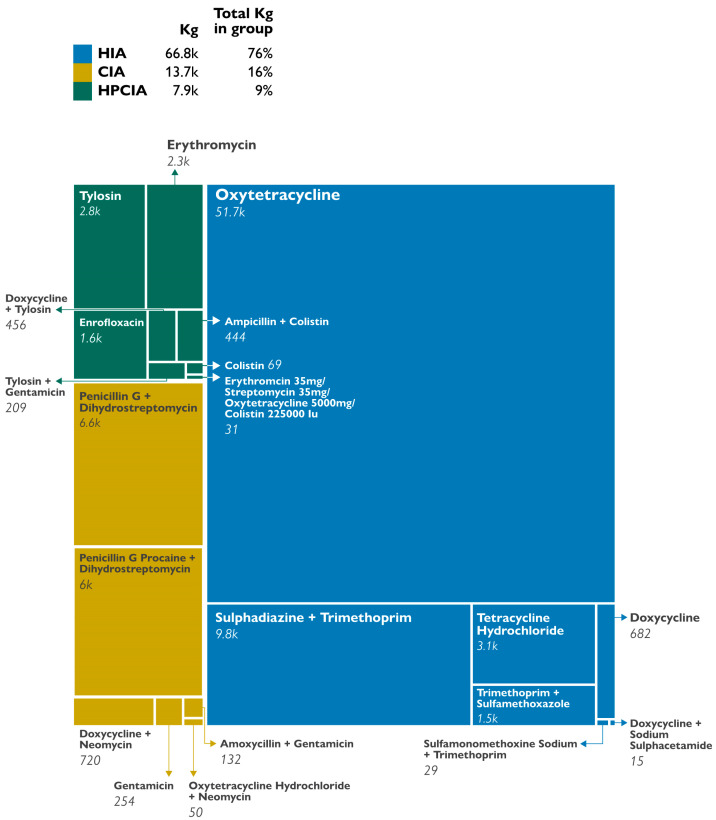
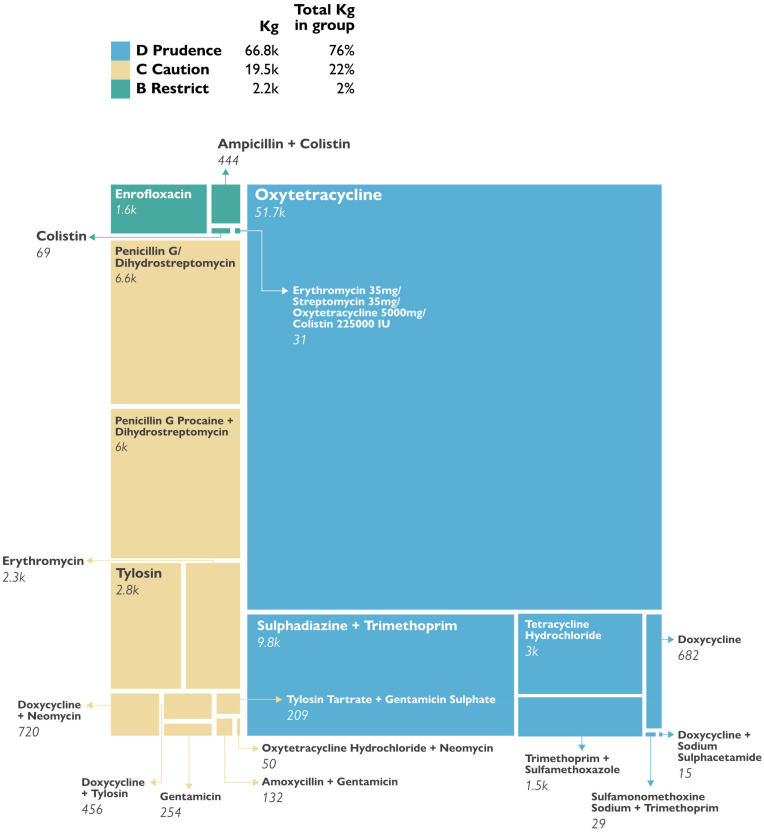
Results: Approximately 88,387.37 kg (88.39 tonnes) of veterinary antimicrobials were consumed in 2021. Parenteral veterinary antimicrobials accounted for 63.8% (56,375.65 kg) and oral veterinary antibacterials accounted for 36.2% (32,011.71 kg). Tetracyclines were the single most consumed veterinary antimicrobial class, accounting for 62.7% of total consumption. Oxytetracycline was the most consumed antibacterial (58.4%), followed by sulphadiazine + trimethoprim (11.1%), penicillin g/dihydrostreptomycin (7.4%), penicillin G procaine + dihydrostreptomycin (6.8%), and tetracycline (3.5%), respectively. Out of all imported veterinary antimicrobials, 76% belonged to the World Health Organization (WHO)'s Highly Important Antimicrobials (HIA) category, 16% to the Critically Important (CIA), and 9% to the Highest Priority Critically Important (HPCIA) categories. Imported colistin accounted for 0.1% of total veterinary consumption.
Conclusions: This study contributes to understanding antimicrobial consumption in Uganda's livestock sector and, for the NDA, leaves in place a system for routine surveillance at a national level. We recommend strict regulatory oversight on the importation and use of colistin and macrolides to address AMR.
Antibiotics-BaselPharmacology, Toxicology and Pharmaceutics-General Pharmacology, Toxicology and Pharmaceutics
CiteScore
7.30
自引率
14.60%
发文量
1547
审稿时长
11 weeks
期刊介绍:
Antibiotics (ISSN 2079-6382) is an open access, peer reviewed journal on all aspects of antibiotics. Antibiotics is a multi-disciplinary journal encompassing the general fields of biochemistry, chemistry, genetics, microbiology and pharmacology. Our aim is to encourage scientists to publish their experimental and theoretical results in as much detail as possible. Therefore, there is no restriction on the length of papers.




 京公网安备 11010802042870号
京ICP备2023020795号-1
京公网安备 11010802042870号
京ICP备2023020795号-1

 分享
分享
 求助内容:
求助内容: 应助结果提醒方式:
 扫码关注我们
