{"title":"少数民族背景人群的患者安全事件:澳大利亚癌症服务的回顾性医疗记录回顾","authors":"Ashfaq Chauhan, Kathryn Joseph, Melvin Chin, Meron Pitcher, Carlene Wilson, Elizabeth Manias, Guncag Ozavci, Hui Gan, Bronwyn Newman, Ramesh Lahiru Walpola, Holly Seale, Ramya Walsan, Reema Harrison","doi":"10.1007/s40615-025-02318-8","DOIUrl":null,"url":null,"abstract":"<p><strong>Objectives: </strong>People from ethnic minority backgrounds are exposed to greater risk of patient safety events (such as healthcare-acquired infections and medication errors) occurring in their healthcare. However, evidence of the type and frequency of patient safety events occurring in cancer care among patients from ethnic minority background is lacking. This study sought to address this evidence gap.</p><p><strong>Design: </strong>A two-stage retrospective medical record review was conducted at four cancer services in two Australian states. Eligible medical records at each service that were identified as belonging to ethnic minority patients were reviewed by two clinician researchers in stage one, followed by authentication of extracted data by a site-specific cancer clinician in stage two. Descriptive statistics were used to report the frequency and type of safety events. Chi-square and independent sample T-tests were used to examine the association between safety events and patient socio-cultural indicators.</p><p><strong>Results: </strong>A total of 628 patient records were included. Of the 628 patient records, 212 (33.75%) documented at least one safety event. A total of 410 safety events were documented in the 212 patient records. Medication-related safety events were most commonly documented (121/410, 29.5%), followed by clinical process/procedure-related safety events (76/410, 18.5%) and patient accidents (60/410, 14.6%). The occurrence of a safety event was associated with patient records that documented 'no interpreter was required'.</p><p><strong>Conclusion: </strong>Patient safety events in cancer care occur frequently among patients from ethnic minority backgrounds. Unsafe cancer care for this population is associated with inadequate use of interpreters, lack of shared understanding and expectations of care processes linked to cultural and linguistic barriers. Approaches to enhance engagement are required.</p>","PeriodicalId":16921,"journal":{"name":"Journal of Racial and Ethnic Health Disparities","volume":" ","pages":"1094-1105"},"PeriodicalIF":2.2000,"publicationDate":"2026-04-01","publicationTypes":"Journal Article","fieldsOfStudy":null,"isOpenAccess":false,"openAccessPdf":"https://www.ncbi.nlm.nih.gov/pmc/articles/PMC12966214/pdf/","citationCount":"0","resultStr":"{\"title\":\"Patient Safety Events Among People from Ethnic Minority Backgrounds: A Retrospective Medical Record Review of Australian Cancer Services.\",\"authors\":\"Ashfaq Chauhan, Kathryn Joseph, Melvin Chin, Meron Pitcher, Carlene Wilson, Elizabeth Manias, Guncag Ozavci, Hui Gan, Bronwyn Newman, Ramesh Lahiru Walpola, Holly Seale, Ramya Walsan, Reema Harrison\",\"doi\":\"10.1007/s40615-025-02318-8\",\"DOIUrl\":null,\"url\":null,\"abstract\":\"<p><strong>Objectives: </strong>People from ethnic minority backgrounds are exposed to greater risk of patient safety events (such as healthcare-acquired infections and medication errors) occurring in their healthcare. However, evidence of the type and frequency of patient safety events occurring in cancer care among patients from ethnic minority background is lacking. This study sought to address this evidence gap.</p><p><strong>Design: </strong>A two-stage retrospective medical record review was conducted at four cancer services in two Australian states. Eligible medical records at each service that were identified as belonging to ethnic minority patients were reviewed by two clinician researchers in stage one, followed by authentication of extracted data by a site-specific cancer clinician in stage two. Descriptive statistics were used to report the frequency and type of safety events. Chi-square and independent sample T-tests were used to examine the association between safety events and patient socio-cultural indicators.</p><p><strong>Results: </strong>A total of 628 patient records were included. Of the 628 patient records, 212 (33.75%) documented at least one safety event. A total of 410 safety events were documented in the 212 patient records. Medication-related safety events were most commonly documented (121/410, 29.5%), followed by clinical process/procedure-related safety events (76/410, 18.5%) and patient accidents (60/410, 14.6%). The occurrence of a safety event was associated with patient records that documented 'no interpreter was required'.</p><p><strong>Conclusion: </strong>Patient safety events in cancer care occur frequently among patients from ethnic minority backgrounds. Unsafe cancer care for this population is associated with inadequate use of interpreters, lack of shared understanding and expectations of care processes linked to cultural and linguistic barriers. Approaches to enhance engagement are required.</p>\",\"PeriodicalId\":16921,\"journal\":{\"name\":\"Journal of Racial and Ethnic Health Disparities\",\"volume\":\" \",\"pages\":\"1094-1105\"},\"PeriodicalIF\":2.2000,\"publicationDate\":\"2026-04-01\",\"publicationTypes\":\"Journal Article\",\"fieldsOfStudy\":null,\"isOpenAccess\":false,\"openAccessPdf\":\"https://www.ncbi.nlm.nih.gov/pmc/articles/PMC12966214/pdf/\",\"citationCount\":\"0\",\"resultStr\":null,\"platform\":\"Semanticscholar\",\"paperid\":null,\"PeriodicalName\":\"Journal of Racial and Ethnic Health Disparities\",\"FirstCategoryId\":\"3\",\"ListUrlMain\":\"https://doi.org/10.1007/s40615-025-02318-8\",\"RegionNum\":3,\"RegionCategory\":\"医学\",\"ArticlePicture\":[],\"TitleCN\":null,\"AbstractTextCN\":null,\"PMCID\":null,\"EPubDate\":\"2025/2/27 0:00:00\",\"PubModel\":\"Epub\",\"JCR\":\"Q2\",\"JCRName\":\"PUBLIC, ENVIRONMENTAL & OCCUPATIONAL HEALTH\",\"Score\":null,\"Total\":0}","platform":"Semanticscholar","paperid":null,"PeriodicalName":"Journal of Racial and Ethnic Health Disparities","FirstCategoryId":"3","ListUrlMain":"https://doi.org/10.1007/s40615-025-02318-8","RegionNum":3,"RegionCategory":"医学","ArticlePicture":[],"TitleCN":null,"AbstractTextCN":null,"PMCID":null,"EPubDate":"2025/2/27 0:00:00","PubModel":"Epub","JCR":"Q2","JCRName":"PUBLIC, ENVIRONMENTAL & OCCUPATIONAL HEALTH","Score":null,"Total":0}
Patient Safety Events Among People from Ethnic Minority Backgrounds: A Retrospective Medical Record Review of Australian Cancer Services.
Objectives: People from ethnic minority backgrounds are exposed to greater risk of patient safety events (such as healthcare-acquired infections and medication errors) occurring in their healthcare. However, evidence of the type and frequency of patient safety events occurring in cancer care among patients from ethnic minority background is lacking. This study sought to address this evidence gap.
Design: A two-stage retrospective medical record review was conducted at four cancer services in two Australian states. Eligible medical records at each service that were identified as belonging to ethnic minority patients were reviewed by two clinician researchers in stage one, followed by authentication of extracted data by a site-specific cancer clinician in stage two. Descriptive statistics were used to report the frequency and type of safety events. Chi-square and independent sample T-tests were used to examine the association between safety events and patient socio-cultural indicators.
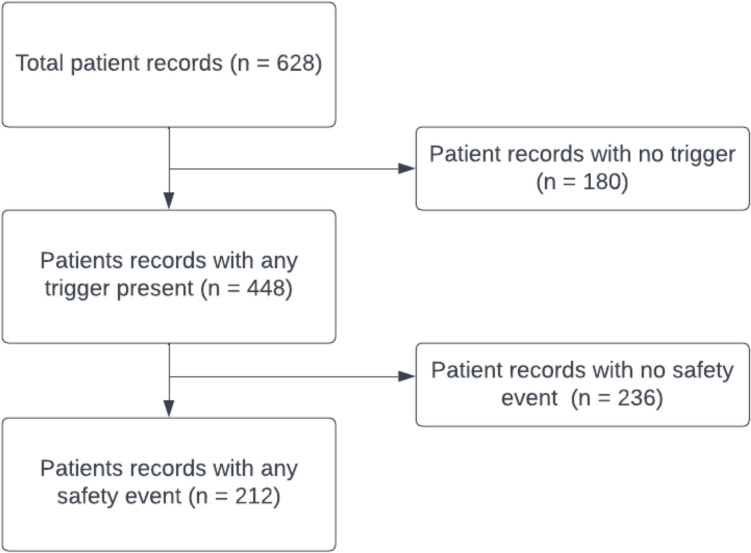
Results: A total of 628 patient records were included. Of the 628 patient records, 212 (33.75%) documented at least one safety event. A total of 410 safety events were documented in the 212 patient records. Medication-related safety events were most commonly documented (121/410, 29.5%), followed by clinical process/procedure-related safety events (76/410, 18.5%) and patient accidents (60/410, 14.6%). The occurrence of a safety event was associated with patient records that documented 'no interpreter was required'.
Conclusion: Patient safety events in cancer care occur frequently among patients from ethnic minority backgrounds. Unsafe cancer care for this population is associated with inadequate use of interpreters, lack of shared understanding and expectations of care processes linked to cultural and linguistic barriers. Approaches to enhance engagement are required.
期刊介绍:
Journal of Racial and Ethnic Health Disparities reports on the scholarly progress of work to understand, address, and ultimately eliminate health disparities based on race and ethnicity. Efforts to explore underlying causes of health disparities and to describe interventions that have been undertaken to address racial and ethnic health disparities are featured. Promising studies that are ongoing or studies that have longer term data are welcome, as are studies that serve as lessons for best practices in eliminating health disparities. Original research, systematic reviews, and commentaries presenting the state-of-the-art thinking on problems centered on health disparities will be considered for publication. We particularly encourage review articles that generate innovative and testable ideas, and constructive discussions and/or critiques of health disparities.Because the Journal of Racial and Ethnic Health Disparities receives a large number of submissions, about 30% of submissions to the Journal are sent out for full peer review.




 京公网安备 11010802042870号
京ICP备2023020795号-1
京公网安备 11010802042870号
京ICP备2023020795号-1

 分享
分享
 求助内容:
求助内容: 应助结果提醒方式:
 扫码关注我们
