{"title":"2016 - 2022年我国儿科重症监护病房金黄色葡萄球菌流行病学特征及耐药趋势:一项多中心回顾性研究","authors":"Xiao-Lei Zhang, Jing Liu, Pan Fu, Yi-Xue Wang, Pan-Pan Fan, Jin-Lan Zhou, Xian-Qi Xiang, Hui-Li Shen, Ting-Yan Liu, Ying-Ying Zhang, Ting Zhu, Cai-Yan Zhang, Chuan-Qing Wang, Guo-Ping Lu, Gang-Feng Yan","doi":"10.1186/s12879-025-10704-0","DOIUrl":null,"url":null,"abstract":"<p><strong>Objective: </strong>This study aimed to analyze the profiles and evolution of Staphylococcus aureus in the pediatric intensive care units (PICUs) of 17 hospitals in China from 2016 to 2022.</p><p><strong>Methods: </strong>Susceptibility testing was performed to bacterial strains with a uniform monitoring protocol, which was provided by the US Clinical and Laboratory Standards Institute (CLSI) and used by the China Antimicrobial Surveillance Network (CHINET). The results were interpreted in accordance with the performance standards for antimicrobial susceptibility testing issued by the US Clinical and Laboratory Standards Institute.</p><p><strong>Results: </strong>Twenty-six thousand six hundred thirteen bacterial strains were isolated from 17 PICUs in China from 2016 to 2022, 3,147 of which were Staphylococcus aureus, ranking second among etiological agents of infections from PICUs. In 2022, Staphylococcus aureus had the highest detection rate, being 36.19%. And in 2021, MRSA had the highest detection rate, being 10.35% in Staphylococcus aureus. There were statistically significant differences in the annual detection rate of gram-positive bacteria, Staphylococcus aureus and MRSA between the years from 2016 to 2022 (P < 0.05). More males were found with Staphylococcus aureus or methicillin-resistant Staphylococcus aureus, but there were no statistical differences in gender distribution between any two years (P < 0.05). The top 3 highest detection rate of Staphylococcus aureus in age groups were infants (1244, 39.7%), toddlers (741, 23.7%), and children at school age and older (731, 23.4%). For MRSA, The top 3 in age groups were infants (91, 38.9%), children at school age and older (87, 29.1%), and toddlers (48, 20.5%). The detection rate of Staphylococcus aureus was statistically different in the distribution of age stratification (P < 0.05). There was no statistically significant difference in these two aspects of MRSA (P > 0.05). The top 3 highest detection rate of Staphylococcus aureus in infected sites were the lower respiratory tract (2,552, 81.7%), bloodstream (217, 6.5%), and skin wounds (110, 3.9%). For MRSA, The top 3 in infected sites were the lower respiratory tract (156, 77.9%), skin wounds (47, 8.8%), and bloodstream (15, 6.6%). The detection rate of Staphylococcus aureus and MRSA was statistically different in the distribution of infected sites (P < 0.05). All the strains of Staphylococcus aureus were sensitive to tigecycline, nitrofurantoin, vancomycin, and linezolid. The resistant rate of Staphylococcus aureus, to penicillin G was as high as 87.5% at least, to erythromycin was as high as 51.8% at least, to benzocillin was as high as 38.0% at least, to cefoxitin was as high as 35.5% at least, and to clindamycin was as high as 32.7% at least. All the strains of MRSA were sensitive to vancomycin, linezolid, quinupristin/dalfopristin, and tigecycline. Of these 234 strains of MRSA, 179 (76.5%) were resistant to erythromycin, 116 (49.6%) to clindamycin, 39 (16.7%) to tetracycline, 29 (12.4%) to levofloxacin, 27 (11.5%) to ciprofloxacin, 27 (11.5%) to moxifloxacin, 14 (6.0%) to TMP-SMX, eight (3.4%) to rifampicin, and six (2.6%) to gentamicin.</p><p><strong>Conclusions: </strong>Staphylococcus aureus is the most common gram-positive bacterium in PICUs. Infants are most likely to be infected by Staphylococcus aureus and methicillin-resistant Staphylococcus aureus. And the lower respiratory tract is the most common infected site of Staphylococcus aureus. Staphylococcus aureus has a high resistant rates to commonly used antimicriobials in pediatrics, but no strains resistant to vancomycin and/or linezolid were found. When considering Staphylococcus aureus infection clinically, it is necessary to select antimicrobials reasonably based on the patient's age, infected site and local epidemiological characteristics.</p>","PeriodicalId":8981,"journal":{"name":"BMC Infectious Diseases","volume":"25 1","pages":"298"},"PeriodicalIF":3.2000,"publicationDate":"2025-03-02","publicationTypes":"Journal Article","fieldsOfStudy":null,"isOpenAccess":false,"openAccessPdf":"https://www.ncbi.nlm.nih.gov/pmc/articles/PMC11874852/pdf/","citationCount":"0","resultStr":"{\"title\":\"Epidemiological profile and antimicrobial resistance trends of Staphylococcus aureus in Chinese pediatric intensive care units from 2016 to 2022: a multi-center retrospective study.\",\"authors\":\"Xiao-Lei Zhang, Jing Liu, Pan Fu, Yi-Xue Wang, Pan-Pan Fan, Jin-Lan Zhou, Xian-Qi Xiang, Hui-Li Shen, Ting-Yan Liu, Ying-Ying Zhang, Ting Zhu, Cai-Yan Zhang, Chuan-Qing Wang, Guo-Ping Lu, Gang-Feng Yan\",\"doi\":\"10.1186/s12879-025-10704-0\",\"DOIUrl\":null,\"url\":null,\"abstract\":\"<p><strong>Objective: </strong>This study aimed to analyze the profiles and evolution of Staphylococcus aureus in the pediatric intensive care units (PICUs) of 17 hospitals in China from 2016 to 2022.</p><p><strong>Methods: </strong>Susceptibility testing was performed to bacterial strains with a uniform monitoring protocol, which was provided by the US Clinical and Laboratory Standards Institute (CLSI) and used by the China Antimicrobial Surveillance Network (CHINET). The results were interpreted in accordance with the performance standards for antimicrobial susceptibility testing issued by the US Clinical and Laboratory Standards Institute.</p><p><strong>Results: </strong>Twenty-six thousand six hundred thirteen bacterial strains were isolated from 17 PICUs in China from 2016 to 2022, 3,147 of which were Staphylococcus aureus, ranking second among etiological agents of infections from PICUs. In 2022, Staphylococcus aureus had the highest detection rate, being 36.19%. And in 2021, MRSA had the highest detection rate, being 10.35% in Staphylococcus aureus. There were statistically significant differences in the annual detection rate of gram-positive bacteria, Staphylococcus aureus and MRSA between the years from 2016 to 2022 (P < 0.05). More males were found with Staphylococcus aureus or methicillin-resistant Staphylococcus aureus, but there were no statistical differences in gender distribution between any two years (P < 0.05). The top 3 highest detection rate of Staphylococcus aureus in age groups were infants (1244, 39.7%), toddlers (741, 23.7%), and children at school age and older (731, 23.4%). For MRSA, The top 3 in age groups were infants (91, 38.9%), children at school age and older (87, 29.1%), and toddlers (48, 20.5%). The detection rate of Staphylococcus aureus was statistically different in the distribution of age stratification (P < 0.05). There was no statistically significant difference in these two aspects of MRSA (P > 0.05). The top 3 highest detection rate of Staphylococcus aureus in infected sites were the lower respiratory tract (2,552, 81.7%), bloodstream (217, 6.5%), and skin wounds (110, 3.9%). For MRSA, The top 3 in infected sites were the lower respiratory tract (156, 77.9%), skin wounds (47, 8.8%), and bloodstream (15, 6.6%). The detection rate of Staphylococcus aureus and MRSA was statistically different in the distribution of infected sites (P < 0.05). All the strains of Staphylococcus aureus were sensitive to tigecycline, nitrofurantoin, vancomycin, and linezolid. The resistant rate of Staphylococcus aureus, to penicillin G was as high as 87.5% at least, to erythromycin was as high as 51.8% at least, to benzocillin was as high as 38.0% at least, to cefoxitin was as high as 35.5% at least, and to clindamycin was as high as 32.7% at least. All the strains of MRSA were sensitive to vancomycin, linezolid, quinupristin/dalfopristin, and tigecycline. Of these 234 strains of MRSA, 179 (76.5%) were resistant to erythromycin, 116 (49.6%) to clindamycin, 39 (16.7%) to tetracycline, 29 (12.4%) to levofloxacin, 27 (11.5%) to ciprofloxacin, 27 (11.5%) to moxifloxacin, 14 (6.0%) to TMP-SMX, eight (3.4%) to rifampicin, and six (2.6%) to gentamicin.</p><p><strong>Conclusions: </strong>Staphylococcus aureus is the most common gram-positive bacterium in PICUs. Infants are most likely to be infected by Staphylococcus aureus and methicillin-resistant Staphylococcus aureus. And the lower respiratory tract is the most common infected site of Staphylococcus aureus. Staphylococcus aureus has a high resistant rates to commonly used antimicriobials in pediatrics, but no strains resistant to vancomycin and/or linezolid were found. When considering Staphylococcus aureus infection clinically, it is necessary to select antimicrobials reasonably based on the patient's age, infected site and local epidemiological characteristics.</p>\",\"PeriodicalId\":8981,\"journal\":{\"name\":\"BMC Infectious Diseases\",\"volume\":\"25 1\",\"pages\":\"298\"},\"PeriodicalIF\":3.2000,\"publicationDate\":\"2025-03-02\",\"publicationTypes\":\"Journal Article\",\"fieldsOfStudy\":null,\"isOpenAccess\":false,\"openAccessPdf\":\"https://www.ncbi.nlm.nih.gov/pmc/articles/PMC11874852/pdf/\",\"citationCount\":\"0\",\"resultStr\":null,\"platform\":\"Semanticscholar\",\"paperid\":null,\"PeriodicalName\":\"BMC Infectious Diseases\",\"FirstCategoryId\":\"3\",\"ListUrlMain\":\"https://doi.org/10.1186/s12879-025-10704-0\",\"RegionNum\":3,\"RegionCategory\":\"医学\",\"ArticlePicture\":[],\"TitleCN\":null,\"AbstractTextCN\":null,\"PMCID\":null,\"EPubDate\":\"\",\"PubModel\":\"\",\"JCR\":\"Q2\",\"JCRName\":\"INFECTIOUS DISEASES\",\"Score\":null,\"Total\":0}","platform":"Semanticscholar","paperid":null,"PeriodicalName":"BMC Infectious Diseases","FirstCategoryId":"3","ListUrlMain":"https://doi.org/10.1186/s12879-025-10704-0","RegionNum":3,"RegionCategory":"医学","ArticlePicture":[],"TitleCN":null,"AbstractTextCN":null,"PMCID":null,"EPubDate":"","PubModel":"","JCR":"Q2","JCRName":"INFECTIOUS DISEASES","Score":null,"Total":0}
Epidemiological profile and antimicrobial resistance trends of Staphylococcus aureus in Chinese pediatric intensive care units from 2016 to 2022: a multi-center retrospective study.
Objective: This study aimed to analyze the profiles and evolution of Staphylococcus aureus in the pediatric intensive care units (PICUs) of 17 hospitals in China from 2016 to 2022.
Methods: Susceptibility testing was performed to bacterial strains with a uniform monitoring protocol, which was provided by the US Clinical and Laboratory Standards Institute (CLSI) and used by the China Antimicrobial Surveillance Network (CHINET). The results were interpreted in accordance with the performance standards for antimicrobial susceptibility testing issued by the US Clinical and Laboratory Standards Institute.
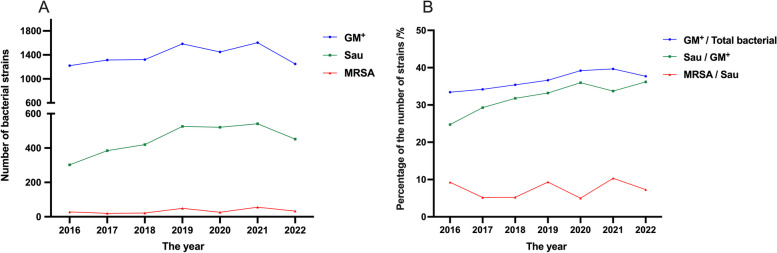
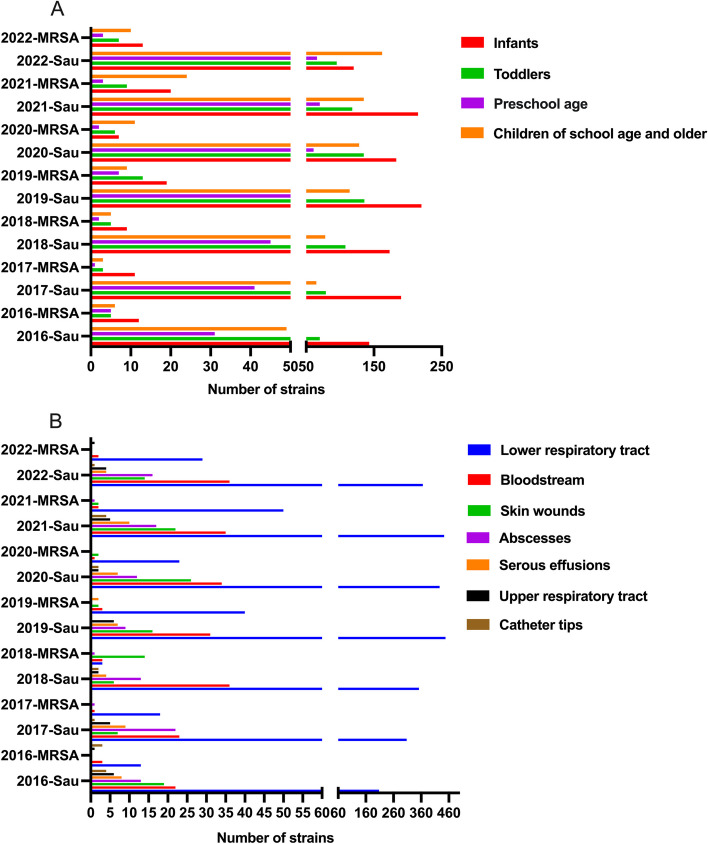
Results: Twenty-six thousand six hundred thirteen bacterial strains were isolated from 17 PICUs in China from 2016 to 2022, 3,147 of which were Staphylococcus aureus, ranking second among etiological agents of infections from PICUs. In 2022, Staphylococcus aureus had the highest detection rate, being 36.19%. And in 2021, MRSA had the highest detection rate, being 10.35% in Staphylococcus aureus. There were statistically significant differences in the annual detection rate of gram-positive bacteria, Staphylococcus aureus and MRSA between the years from 2016 to 2022 (P < 0.05). More males were found with Staphylococcus aureus or methicillin-resistant Staphylococcus aureus, but there were no statistical differences in gender distribution between any two years (P < 0.05). The top 3 highest detection rate of Staphylococcus aureus in age groups were infants (1244, 39.7%), toddlers (741, 23.7%), and children at school age and older (731, 23.4%). For MRSA, The top 3 in age groups were infants (91, 38.9%), children at school age and older (87, 29.1%), and toddlers (48, 20.5%). The detection rate of Staphylococcus aureus was statistically different in the distribution of age stratification (P < 0.05). There was no statistically significant difference in these two aspects of MRSA (P > 0.05). The top 3 highest detection rate of Staphylococcus aureus in infected sites were the lower respiratory tract (2,552, 81.7%), bloodstream (217, 6.5%), and skin wounds (110, 3.9%). For MRSA, The top 3 in infected sites were the lower respiratory tract (156, 77.9%), skin wounds (47, 8.8%), and bloodstream (15, 6.6%). The detection rate of Staphylococcus aureus and MRSA was statistically different in the distribution of infected sites (P < 0.05). All the strains of Staphylococcus aureus were sensitive to tigecycline, nitrofurantoin, vancomycin, and linezolid. The resistant rate of Staphylococcus aureus, to penicillin G was as high as 87.5% at least, to erythromycin was as high as 51.8% at least, to benzocillin was as high as 38.0% at least, to cefoxitin was as high as 35.5% at least, and to clindamycin was as high as 32.7% at least. All the strains of MRSA were sensitive to vancomycin, linezolid, quinupristin/dalfopristin, and tigecycline. Of these 234 strains of MRSA, 179 (76.5%) were resistant to erythromycin, 116 (49.6%) to clindamycin, 39 (16.7%) to tetracycline, 29 (12.4%) to levofloxacin, 27 (11.5%) to ciprofloxacin, 27 (11.5%) to moxifloxacin, 14 (6.0%) to TMP-SMX, eight (3.4%) to rifampicin, and six (2.6%) to gentamicin.
Conclusions: Staphylococcus aureus is the most common gram-positive bacterium in PICUs. Infants are most likely to be infected by Staphylococcus aureus and methicillin-resistant Staphylococcus aureus. And the lower respiratory tract is the most common infected site of Staphylococcus aureus. Staphylococcus aureus has a high resistant rates to commonly used antimicriobials in pediatrics, but no strains resistant to vancomycin and/or linezolid were found. When considering Staphylococcus aureus infection clinically, it is necessary to select antimicrobials reasonably based on the patient's age, infected site and local epidemiological characteristics.
期刊介绍:
BMC Infectious Diseases is an open access, peer-reviewed journal that considers articles on all aspects of the prevention, diagnosis and management of infectious and sexually transmitted diseases in humans, as well as related molecular genetics, pathophysiology, and epidemiology.





 京公网安备 11010802042870号
京ICP备2023020795号-1
京公网安备 11010802042870号
京ICP备2023020795号-1

 分享
分享
 求助内容:
求助内容: 应助结果提醒方式:
 扫码关注我们
