{"title":"经前综合征的女性表现出较高的内感受准确性,但意识较低,有副交感神经对压力的反弹反应。","authors":"Yumiko Crysia Suzuki, Hideki Ohira","doi":"10.3389/fnins.2025.1489225","DOIUrl":null,"url":null,"abstract":"<p><p>Premenstrual syndrome (PMS) is characterized by emotional or physical discomfort that occurs specifically during the luteal phase. However, women with PMS typically do not exhibit abnormalities in serum sex hormone levels or structural anomalies, making it challenging to identify distinct pathological findings unique to PMS. Instead, they may exhibit hypersensitivity to fluctuations in sex hormone levels within the normal range. This study involved experiments conducted in the late luteal phase. The pre-stress baseline state evaluated the effects of PMS on interoception using the Heartbeat Counting Task (HCT) and the Multidimensional Assessment of Interoceptive Awareness (MAIA), and the effects on emotional states using a questionnaire assessing subjective emotions in the late luteal phase. The results indicated that the \"PMS group\" scored higher on the HCT compared to the \"without PMS group,\" while their MAIA scores were lower. Additionally, the PMS group reported experiencing more negative and stressful states. The findings suggest that women with PMS demonstrate high accuracy in but lower awareness of interoception. This mismatch between \"accuracy\" and \"awareness\" may indicate a maladaptive state regarding mental health. The stress-related analysis examined whether the effects of stress on exacerbating PMS include impacts on interoception and the autonomic nervous system (ANS). States before baseline, immediately after, and during stress recovery were evaluated. The results revealed that women in the PMS group exhibited more pronounced negative and stressful states; they showed higher scores on the HCT, with scores progressively increasing as the task was repeated. Regarding ANS indices, no main effect of group was observed, but parasympathetic activity increased during the recovery period compared to the pre-stress baseline. In the degree of changes in parasympathetic activity from the baseline to post-stress and recovery periods, a group-by-time interaction effect was observed. These findings suggest that the PMS group may experience a prolonged rebound effect during the recovery phase following induced stress. In conclusion, women with PMS exhibit a discrepancy between high interoceptive accuracy and low awareness of their sensations. This may contribute to heightened discomfort and suggest that vulnerability to stress, mediated by the parasympathetic nervous system, exacerbates factor for PMS symptoms.</p>","PeriodicalId":12639,"journal":{"name":"Frontiers in Neuroscience","volume":"19 ","pages":"1489225"},"PeriodicalIF":4.0000,"publicationDate":"2025-02-17","publicationTypes":"Journal Article","fieldsOfStudy":null,"isOpenAccess":false,"openAccessPdf":"https://www.ncbi.nlm.nih.gov/pmc/articles/PMC11872929/pdf/","citationCount":"0","resultStr":"{\"title\":\"Women with premenstrual syndrome exhibit high interoceptive accuracy, but low awareness, with parasympathetic rebound responses from stress.\",\"authors\":\"Yumiko Crysia Suzuki, Hideki Ohira\",\"doi\":\"10.3389/fnins.2025.1489225\",\"DOIUrl\":null,\"url\":null,\"abstract\":\"<p><p>Premenstrual syndrome (PMS) is characterized by emotional or physical discomfort that occurs specifically during the luteal phase. However, women with PMS typically do not exhibit abnormalities in serum sex hormone levels or structural anomalies, making it challenging to identify distinct pathological findings unique to PMS. Instead, they may exhibit hypersensitivity to fluctuations in sex hormone levels within the normal range. This study involved experiments conducted in the late luteal phase. The pre-stress baseline state evaluated the effects of PMS on interoception using the Heartbeat Counting Task (HCT) and the Multidimensional Assessment of Interoceptive Awareness (MAIA), and the effects on emotional states using a questionnaire assessing subjective emotions in the late luteal phase. The results indicated that the \\\"PMS group\\\" scored higher on the HCT compared to the \\\"without PMS group,\\\" while their MAIA scores were lower. Additionally, the PMS group reported experiencing more negative and stressful states. The findings suggest that women with PMS demonstrate high accuracy in but lower awareness of interoception. This mismatch between \\\"accuracy\\\" and \\\"awareness\\\" may indicate a maladaptive state regarding mental health. The stress-related analysis examined whether the effects of stress on exacerbating PMS include impacts on interoception and the autonomic nervous system (ANS). States before baseline, immediately after, and during stress recovery were evaluated. The results revealed that women in the PMS group exhibited more pronounced negative and stressful states; they showed higher scores on the HCT, with scores progressively increasing as the task was repeated. Regarding ANS indices, no main effect of group was observed, but parasympathetic activity increased during the recovery period compared to the pre-stress baseline. In the degree of changes in parasympathetic activity from the baseline to post-stress and recovery periods, a group-by-time interaction effect was observed. These findings suggest that the PMS group may experience a prolonged rebound effect during the recovery phase following induced stress. In conclusion, women with PMS exhibit a discrepancy between high interoceptive accuracy and low awareness of their sensations. This may contribute to heightened discomfort and suggest that vulnerability to stress, mediated by the parasympathetic nervous system, exacerbates factor for PMS symptoms.</p>\",\"PeriodicalId\":12639,\"journal\":{\"name\":\"Frontiers in Neuroscience\",\"volume\":\"19 \",\"pages\":\"1489225\"},\"PeriodicalIF\":4.0000,\"publicationDate\":\"2025-02-17\",\"publicationTypes\":\"Journal Article\",\"fieldsOfStudy\":null,\"isOpenAccess\":false,\"openAccessPdf\":\"https://www.ncbi.nlm.nih.gov/pmc/articles/PMC11872929/pdf/\",\"citationCount\":\"0\",\"resultStr\":null,\"platform\":\"Semanticscholar\",\"paperid\":null,\"PeriodicalName\":\"Frontiers in Neuroscience\",\"FirstCategoryId\":\"3\",\"ListUrlMain\":\"https://doi.org/10.3389/fnins.2025.1489225\",\"RegionNum\":3,\"RegionCategory\":\"医学\",\"ArticlePicture\":[],\"TitleCN\":null,\"AbstractTextCN\":null,\"PMCID\":null,\"EPubDate\":\"2025/1/1 0:00:00\",\"PubModel\":\"eCollection\",\"JCR\":\"Q2\",\"JCRName\":\"NEUROSCIENCES\",\"Score\":null,\"Total\":0}","platform":"Semanticscholar","paperid":null,"PeriodicalName":"Frontiers in Neuroscience","FirstCategoryId":"3","ListUrlMain":"https://doi.org/10.3389/fnins.2025.1489225","RegionNum":3,"RegionCategory":"医学","ArticlePicture":[],"TitleCN":null,"AbstractTextCN":null,"PMCID":null,"EPubDate":"2025/1/1 0:00:00","PubModel":"eCollection","JCR":"Q2","JCRName":"NEUROSCIENCES","Score":null,"Total":0}
Women with premenstrual syndrome exhibit high interoceptive accuracy, but low awareness, with parasympathetic rebound responses from stress.
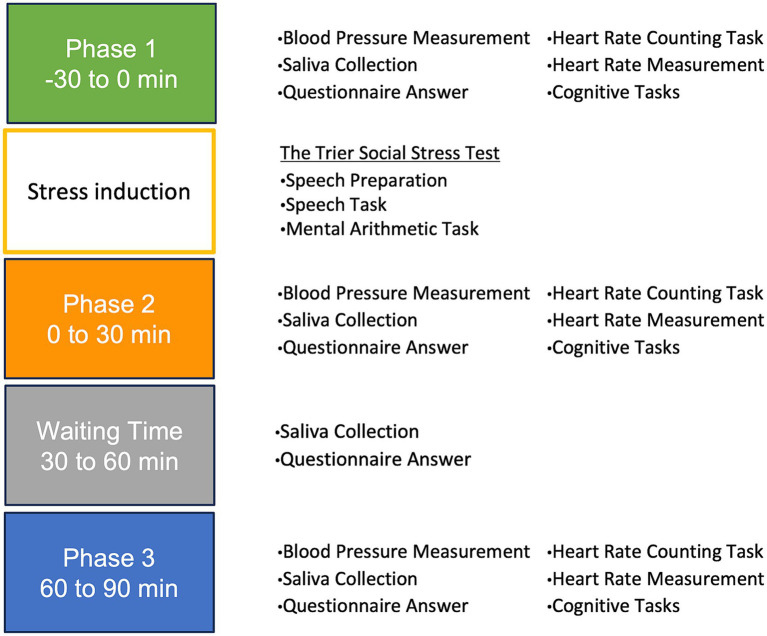
Premenstrual syndrome (PMS) is characterized by emotional or physical discomfort that occurs specifically during the luteal phase. However, women with PMS typically do not exhibit abnormalities in serum sex hormone levels or structural anomalies, making it challenging to identify distinct pathological findings unique to PMS. Instead, they may exhibit hypersensitivity to fluctuations in sex hormone levels within the normal range. This study involved experiments conducted in the late luteal phase. The pre-stress baseline state evaluated the effects of PMS on interoception using the Heartbeat Counting Task (HCT) and the Multidimensional Assessment of Interoceptive Awareness (MAIA), and the effects on emotional states using a questionnaire assessing subjective emotions in the late luteal phase. The results indicated that the "PMS group" scored higher on the HCT compared to the "without PMS group," while their MAIA scores were lower. Additionally, the PMS group reported experiencing more negative and stressful states. The findings suggest that women with PMS demonstrate high accuracy in but lower awareness of interoception. This mismatch between "accuracy" and "awareness" may indicate a maladaptive state regarding mental health. The stress-related analysis examined whether the effects of stress on exacerbating PMS include impacts on interoception and the autonomic nervous system (ANS). States before baseline, immediately after, and during stress recovery were evaluated. The results revealed that women in the PMS group exhibited more pronounced negative and stressful states; they showed higher scores on the HCT, with scores progressively increasing as the task was repeated. Regarding ANS indices, no main effect of group was observed, but parasympathetic activity increased during the recovery period compared to the pre-stress baseline. In the degree of changes in parasympathetic activity from the baseline to post-stress and recovery periods, a group-by-time interaction effect was observed. These findings suggest that the PMS group may experience a prolonged rebound effect during the recovery phase following induced stress. In conclusion, women with PMS exhibit a discrepancy between high interoceptive accuracy and low awareness of their sensations. This may contribute to heightened discomfort and suggest that vulnerability to stress, mediated by the parasympathetic nervous system, exacerbates factor for PMS symptoms.
期刊介绍:
Neural Technology is devoted to the convergence between neurobiology and quantum-, nano- and micro-sciences. In our vision, this interdisciplinary approach should go beyond the technological development of sophisticated methods and should contribute in generating a genuine change in our discipline.







 京公网安备 11010802042870号
京ICP备2023020795号-1
京公网安备 11010802042870号
京ICP备2023020795号-1

 分享
分享
 求助内容:
求助内容: 应助结果提醒方式:
 扫码关注我们
