Richa Chaturvedi , Yumin Kang , Yunji Eom, Sri Ramulu Torati , CheolGi Kim
{"title":"适合癌细胞微环境的靶向药物释放生物杂化微游泳器的磁敏和ph敏双驱动","authors":"Richa Chaturvedi , Yumin Kang , Yunji Eom, Sri Ramulu Torati , CheolGi Kim","doi":"10.1016/j.jsamd.2025.100873","DOIUrl":null,"url":null,"abstract":"<div><div>The chemotherapeutic agents most frequently used in cancer treatment often have limited effectiveness because of their low specificity for tumors and poor therapeutic performance. In addition to the aforementioned therapeutic challenges the drug delivery carriers conjugated with the drug encounter early detection and elimination from the immune system before arriving at the affected area continues to be a significant research focus among researchers. To address this prevalent issue, an effective approach has been developed that leverages the physiological differences between normal and tumor tissue to enhance the efficacy of anticancer drugs. This drug delivery system is designed based on pH-sensitive drug release, ensuring targeted release within cancer cells. In the present study, we have developed a drug carrier called as biohybrid magnetic microswimmer (BMM). The BMM was formed through a three-step process: firstly, bacterial surfaces were functionalized with biotinylated PEG which enables the bacteria to escape the phagocytosis process; secondly, the anticancer drug lenalidomide was PEGylated to enhance solubility; and finally, both complexes were conjugated via streptavidin-biotin interaction. The study investigated bond formation, bacterial viability after drug treatment, pH-dependent release, and cytotoxicity in various cell lines (MCF-7 and THP-1 cells), and the results revealed that the concentration of the drug, released from BMM gradually increased as the pH of the solvent decreased from neutral to acidic, mimicking the surrounding environment of normal cells and cancer cells, respectively, which in turn affects the cancer cell viability negatively. Therefore, BMM shows promise in targeted drug delivery, utilizing magnetic manipulation and pH-triggered release, providing advantages that include bacteria's maneuverability and PEG's stealth properties, enhancing drug efficacy.</div></div>","PeriodicalId":17219,"journal":{"name":"Journal of Science: Advanced Materials and Devices","volume":"10 2","pages":"Article 100873"},"PeriodicalIF":6.8000,"publicationDate":"2025-06-01","publicationTypes":"Journal Article","fieldsOfStudy":null,"isOpenAccess":false,"openAccessPdf":"","citationCount":"0","resultStr":"{\"title\":\"Magnetic and pH-Sensitive dual actuation of biohybrid microswimmer of targeted drug release suitable for cancer cell microenvironment\",\"authors\":\"Richa Chaturvedi , Yumin Kang , Yunji Eom, Sri Ramulu Torati , CheolGi Kim\",\"doi\":\"10.1016/j.jsamd.2025.100873\",\"DOIUrl\":null,\"url\":null,\"abstract\":\"<div><div>The chemotherapeutic agents most frequently used in cancer treatment often have limited effectiveness because of their low specificity for tumors and poor therapeutic performance. In addition to the aforementioned therapeutic challenges the drug delivery carriers conjugated with the drug encounter early detection and elimination from the immune system before arriving at the affected area continues to be a significant research focus among researchers. To address this prevalent issue, an effective approach has been developed that leverages the physiological differences between normal and tumor tissue to enhance the efficacy of anticancer drugs. This drug delivery system is designed based on pH-sensitive drug release, ensuring targeted release within cancer cells. In the present study, we have developed a drug carrier called as biohybrid magnetic microswimmer (BMM). The BMM was formed through a three-step process: firstly, bacterial surfaces were functionalized with biotinylated PEG which enables the bacteria to escape the phagocytosis process; secondly, the anticancer drug lenalidomide was PEGylated to enhance solubility; and finally, both complexes were conjugated via streptavidin-biotin interaction. The study investigated bond formation, bacterial viability after drug treatment, pH-dependent release, and cytotoxicity in various cell lines (MCF-7 and THP-1 cells), and the results revealed that the concentration of the drug, released from BMM gradually increased as the pH of the solvent decreased from neutral to acidic, mimicking the surrounding environment of normal cells and cancer cells, respectively, which in turn affects the cancer cell viability negatively. Therefore, BMM shows promise in targeted drug delivery, utilizing magnetic manipulation and pH-triggered release, providing advantages that include bacteria's maneuverability and PEG's stealth properties, enhancing drug efficacy.</div></div>\",\"PeriodicalId\":17219,\"journal\":{\"name\":\"Journal of Science: Advanced Materials and Devices\",\"volume\":\"10 2\",\"pages\":\"Article 100873\"},\"PeriodicalIF\":6.8000,\"publicationDate\":\"2025-06-01\",\"publicationTypes\":\"Journal Article\",\"fieldsOfStudy\":null,\"isOpenAccess\":false,\"openAccessPdf\":\"\",\"citationCount\":\"0\",\"resultStr\":null,\"platform\":\"Semanticscholar\",\"paperid\":null,\"PeriodicalName\":\"Journal of Science: Advanced Materials and Devices\",\"FirstCategoryId\":\"88\",\"ListUrlMain\":\"https://www.sciencedirect.com/science/article/pii/S2468217925000267\",\"RegionNum\":3,\"RegionCategory\":\"材料科学\",\"ArticlePicture\":[],\"TitleCN\":null,\"AbstractTextCN\":null,\"PMCID\":null,\"EPubDate\":\"2025/2/27 0:00:00\",\"PubModel\":\"Epub\",\"JCR\":\"Q1\",\"JCRName\":\"MATERIALS SCIENCE, MULTIDISCIPLINARY\",\"Score\":null,\"Total\":0}","platform":"Semanticscholar","paperid":null,"PeriodicalName":"Journal of Science: Advanced Materials and Devices","FirstCategoryId":"88","ListUrlMain":"https://www.sciencedirect.com/science/article/pii/S2468217925000267","RegionNum":3,"RegionCategory":"材料科学","ArticlePicture":[],"TitleCN":null,"AbstractTextCN":null,"PMCID":null,"EPubDate":"2025/2/27 0:00:00","PubModel":"Epub","JCR":"Q1","JCRName":"MATERIALS SCIENCE, MULTIDISCIPLINARY","Score":null,"Total":0}
Magnetic and pH-Sensitive dual actuation of biohybrid microswimmer of targeted drug release suitable for cancer cell microenvironment
The chemotherapeutic agents most frequently used in cancer treatment often have limited effectiveness because of their low specificity for tumors and poor therapeutic performance. In addition to the aforementioned therapeutic challenges the drug delivery carriers conjugated with the drug encounter early detection and elimination from the immune system before arriving at the affected area continues to be a significant research focus among researchers. To address this prevalent issue, an effective approach has been developed that leverages the physiological differences between normal and tumor tissue to enhance the efficacy of anticancer drugs. This drug delivery system is designed based on pH-sensitive drug release, ensuring targeted release within cancer cells. In the present study, we have developed a drug carrier called as biohybrid magnetic microswimmer (BMM). The BMM was formed through a three-step process: firstly, bacterial surfaces were functionalized with biotinylated PEG which enables the bacteria to escape the phagocytosis process; secondly, the anticancer drug lenalidomide was PEGylated to enhance solubility; and finally, both complexes were conjugated via streptavidin-biotin interaction. The study investigated bond formation, bacterial viability after drug treatment, pH-dependent release, and cytotoxicity in various cell lines (MCF-7 and THP-1 cells), and the results revealed that the concentration of the drug, released from BMM gradually increased as the pH of the solvent decreased from neutral to acidic, mimicking the surrounding environment of normal cells and cancer cells, respectively, which in turn affects the cancer cell viability negatively. Therefore, BMM shows promise in targeted drug delivery, utilizing magnetic manipulation and pH-triggered release, providing advantages that include bacteria's maneuverability and PEG's stealth properties, enhancing drug efficacy.
期刊介绍:
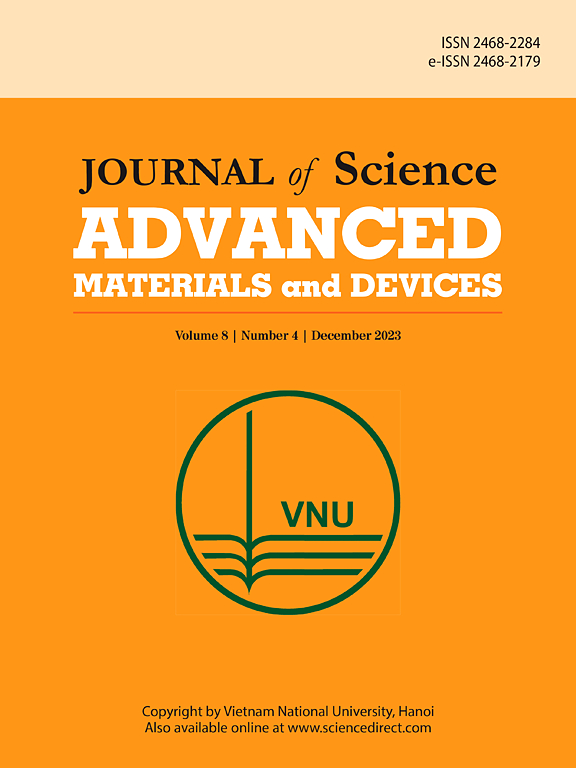
In 1985, the Journal of Science was founded as a platform for publishing national and international research papers across various disciplines, including natural sciences, technology, social sciences, and humanities. Over the years, the journal has experienced remarkable growth in terms of quality, size, and scope. Today, it encompasses a diverse range of publications dedicated to academic research.
Considering the rapid expansion of materials science, we are pleased to introduce the Journal of Science: Advanced Materials and Devices. This new addition to our journal series offers researchers an exciting opportunity to publish their work on all aspects of materials science and technology within the esteemed Journal of Science.
With this development, we aim to revolutionize the way research in materials science is expressed and organized, further strengthening our commitment to promoting outstanding research across various scientific and technological fields.




 京公网安备 11010802042870号
京ICP备2023020795号-1
京公网安备 11010802042870号
京ICP备2023020795号-1

 分享
分享
 求助内容:
求助内容: 应助结果提醒方式:
 扫码关注我们
