{"title":"骨髓间充质干细胞来源的外泌体通过TXNIP/NLRP3炎性体途径抑制卵巢缺血/再灌注引发的氧化应激和焦亡","authors":"Min Xu, Min Don, Yiyuan Chen, Mingzhe Zhang","doi":"10.1007/s12010-025-05188-2","DOIUrl":null,"url":null,"abstract":"<div><p>Mesenchymal stem cells (MSCs) and their secreted exosomes (Exos) have attracted much interest for their potential against ischemia/reperfusion injury (IRI). In the present research, we employed rat ovarian ischemia/reperfusion injury (OIRI) model and hypoxia/reoxygenation (H/R) model of primary rat ovarian granulosa cells (RGCs) to investigate whether BMSC-Exos could alleviate OIRI. Our data suggested that administration of BMSCs in rats significantly reduced OIRI-resultant histopathological changes, oxidative stress, inflammation, and pyroptosis. In addition, BMSCs downregulated the expression of proteins related to the TXNIP/NLRP3 inflammasome pathway. Based on in vitro experiments, BMSC-Exos could be internalized by RGCs and curbed oxidative stress and pyroptosis in H/R-injured RGCs. This effect may be due to the regulation of TXNIP/NLRP3 inflammasome pathway. Remarkably, our in vivo data were in concordance with our in vitro results, suggesting that BMSC-Exos suppressed OIRI-induced oxidative stress and pyroptosis via the TXNIP/NLRP3 inflammasome pathway. Overall, these results demonstrate good therapeutic efficacy of BMSC-Exos for treating OIRI, which may provide experimental evidence for the potential clinical benefits of BMSC-Exos for ovarian protection.</p></div>","PeriodicalId":465,"journal":{"name":"Applied Biochemistry and Biotechnology","volume":"197 6","pages":"3819 - 3840"},"PeriodicalIF":3.3000,"publicationDate":"2025-03-05","publicationTypes":"Journal Article","fieldsOfStudy":null,"isOpenAccess":false,"openAccessPdf":"","citationCount":"0","resultStr":"{\"title\":\"Bone Marrow Mesenchymal Stem Cell-Originated Exosomes Curb Oxidative Stress and Pyroptosis Triggered by Ovarian Ischemia/Reperfusion via the TXNIP/NLRP3 Inflammasome Pathway\",\"authors\":\"Min Xu, Min Don, Yiyuan Chen, Mingzhe Zhang\",\"doi\":\"10.1007/s12010-025-05188-2\",\"DOIUrl\":null,\"url\":null,\"abstract\":\"<div><p>Mesenchymal stem cells (MSCs) and their secreted exosomes (Exos) have attracted much interest for their potential against ischemia/reperfusion injury (IRI). In the present research, we employed rat ovarian ischemia/reperfusion injury (OIRI) model and hypoxia/reoxygenation (H/R) model of primary rat ovarian granulosa cells (RGCs) to investigate whether BMSC-Exos could alleviate OIRI. Our data suggested that administration of BMSCs in rats significantly reduced OIRI-resultant histopathological changes, oxidative stress, inflammation, and pyroptosis. In addition, BMSCs downregulated the expression of proteins related to the TXNIP/NLRP3 inflammasome pathway. Based on in vitro experiments, BMSC-Exos could be internalized by RGCs and curbed oxidative stress and pyroptosis in H/R-injured RGCs. This effect may be due to the regulation of TXNIP/NLRP3 inflammasome pathway. Remarkably, our in vivo data were in concordance with our in vitro results, suggesting that BMSC-Exos suppressed OIRI-induced oxidative stress and pyroptosis via the TXNIP/NLRP3 inflammasome pathway. Overall, these results demonstrate good therapeutic efficacy of BMSC-Exos for treating OIRI, which may provide experimental evidence for the potential clinical benefits of BMSC-Exos for ovarian protection.</p></div>\",\"PeriodicalId\":465,\"journal\":{\"name\":\"Applied Biochemistry and Biotechnology\",\"volume\":\"197 6\",\"pages\":\"3819 - 3840\"},\"PeriodicalIF\":3.3000,\"publicationDate\":\"2025-03-05\",\"publicationTypes\":\"Journal Article\",\"fieldsOfStudy\":null,\"isOpenAccess\":false,\"openAccessPdf\":\"\",\"citationCount\":\"0\",\"resultStr\":null,\"platform\":\"Semanticscholar\",\"paperid\":null,\"PeriodicalName\":\"Applied Biochemistry and Biotechnology\",\"FirstCategoryId\":\"5\",\"ListUrlMain\":\"https://link.springer.com/article/10.1007/s12010-025-05188-2\",\"RegionNum\":4,\"RegionCategory\":\"生物学\",\"ArticlePicture\":[],\"TitleCN\":null,\"AbstractTextCN\":null,\"PMCID\":null,\"EPubDate\":\"\",\"PubModel\":\"\",\"JCR\":\"Q3\",\"JCRName\":\"BIOCHEMISTRY & MOLECULAR BIOLOGY\",\"Score\":null,\"Total\":0}","platform":"Semanticscholar","paperid":null,"PeriodicalName":"Applied Biochemistry and Biotechnology","FirstCategoryId":"5","ListUrlMain":"https://link.springer.com/article/10.1007/s12010-025-05188-2","RegionNum":4,"RegionCategory":"生物学","ArticlePicture":[],"TitleCN":null,"AbstractTextCN":null,"PMCID":null,"EPubDate":"","PubModel":"","JCR":"Q3","JCRName":"BIOCHEMISTRY & MOLECULAR BIOLOGY","Score":null,"Total":0}
Bone Marrow Mesenchymal Stem Cell-Originated Exosomes Curb Oxidative Stress and Pyroptosis Triggered by Ovarian Ischemia/Reperfusion via the TXNIP/NLRP3 Inflammasome Pathway
Mesenchymal stem cells (MSCs) and their secreted exosomes (Exos) have attracted much interest for their potential against ischemia/reperfusion injury (IRI). In the present research, we employed rat ovarian ischemia/reperfusion injury (OIRI) model and hypoxia/reoxygenation (H/R) model of primary rat ovarian granulosa cells (RGCs) to investigate whether BMSC-Exos could alleviate OIRI. Our data suggested that administration of BMSCs in rats significantly reduced OIRI-resultant histopathological changes, oxidative stress, inflammation, and pyroptosis. In addition, BMSCs downregulated the expression of proteins related to the TXNIP/NLRP3 inflammasome pathway. Based on in vitro experiments, BMSC-Exos could be internalized by RGCs and curbed oxidative stress and pyroptosis in H/R-injured RGCs. This effect may be due to the regulation of TXNIP/NLRP3 inflammasome pathway. Remarkably, our in vivo data were in concordance with our in vitro results, suggesting that BMSC-Exos suppressed OIRI-induced oxidative stress and pyroptosis via the TXNIP/NLRP3 inflammasome pathway. Overall, these results demonstrate good therapeutic efficacy of BMSC-Exos for treating OIRI, which may provide experimental evidence for the potential clinical benefits of BMSC-Exos for ovarian protection.
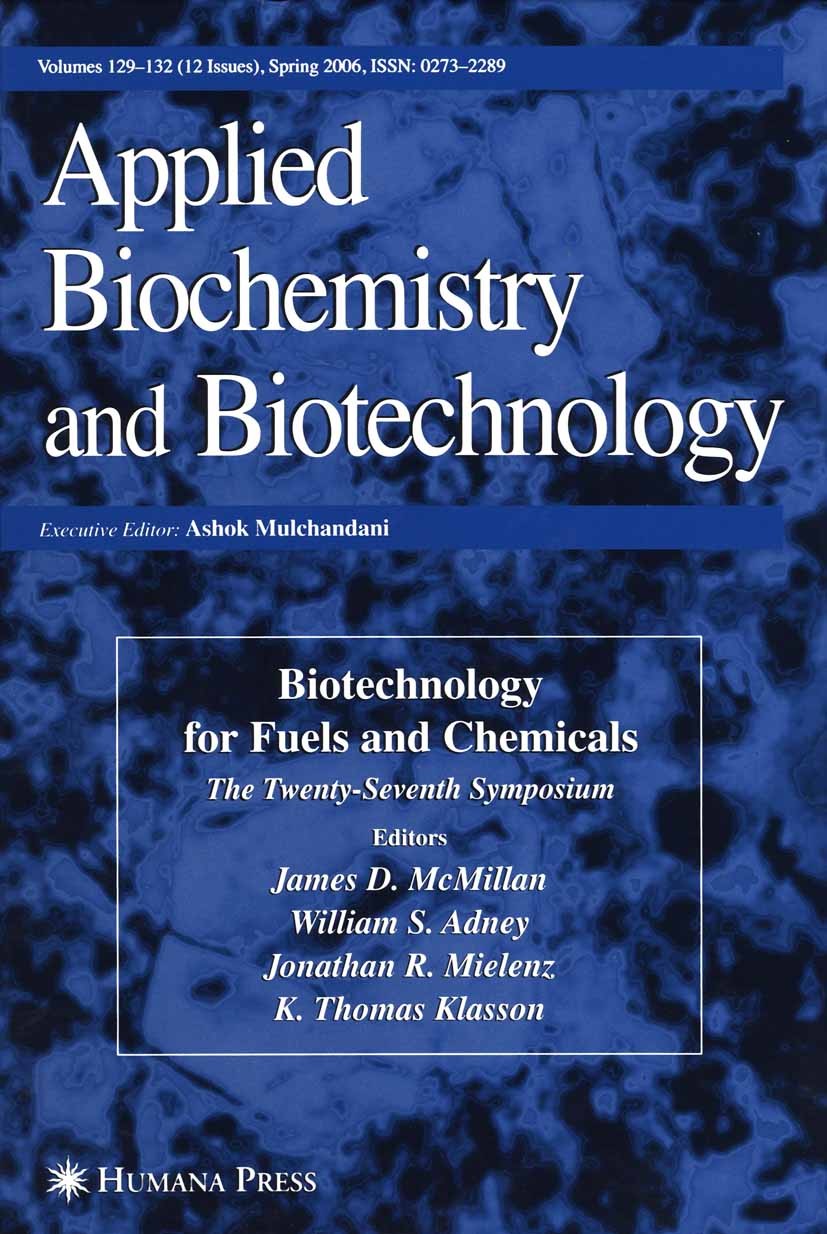
期刊介绍:
This journal is devoted to publishing the highest quality innovative papers in the fields of biochemistry and biotechnology. The typical focus of the journal is to report applications of novel scientific and technological breakthroughs, as well as technological subjects that are still in the proof-of-concept stage. Applied Biochemistry and Biotechnology provides a forum for case studies and practical concepts of biotechnology, utilization, including controls, statistical data analysis, problem descriptions unique to a particular application, and bioprocess economic analyses. The journal publishes reviews deemed of interest to readers, as well as book reviews, meeting and symposia notices, and news items relating to biotechnology in both the industrial and academic communities.
In addition, Applied Biochemistry and Biotechnology often publishes lists of patents and publications of special interest to readers.




 京公网安备 11010802042870号
京ICP备2023020795号-1
京公网安备 11010802042870号
京ICP备2023020795号-1

 分享
分享
 求助内容:
求助内容: 应助结果提醒方式:
 扫码关注我们
