Caihong Wang , Xiang Ji , Xiaoya Wang , Yunmeng Song , Chunqiang Pan , Mingrong Qian , Yuanxiang Jin
{"title":"纳米塑料与邻苯二甲酸二(2-乙基己基)共暴露引起小鼠乳腺上皮细胞损伤的内质网-线粒体串扰","authors":"Caihong Wang , Xiang Ji , Xiaoya Wang , Yunmeng Song , Chunqiang Pan , Mingrong Qian , Yuanxiang Jin","doi":"10.1016/j.envpol.2025.126014","DOIUrl":null,"url":null,"abstract":"<div><div>With the extensive use of plastic products, significant amounts of microplastics, nanoplastic particles (NPs), and plasticizers such as Di(2-ethylhexyl) phthalate (DEHP) are continuously released into the environment. However, the toxic effects of NPs alone or in combination with DEHP on mammary glands remain unreported. This study investigates the impacts of NPs and DEHP on the structure and function of mouse mammary epithelial cells and elucidates the underlying molecular mechanisms. We found that co-exposure to NPs and DEHP induced severe pyroptosis, inflammation and oxidative stress in HC11 cells. Co-exposure also caused mitochondrial damage, as evidenced by changes in mitochondrial membrane potential, increase in mitochondrial ROS and inhibition of ATP production. Moreover, NPs and DEHP co-exposure increased the transcriptional levels of endoplasmic reticulum (ER) stress-related genes, activated the inflammation-related NLRP3 signaling pathway, and damaged the cell membrane integrity. Notably, Co-exposure enhanced the ER-mitochondria crosstalk in HC11 cells, as evidenced by the upregulated transcriptional levels of ER Ca<sup>2+</sup> channel proteins (<em>Ip3r1</em>, <em>Grp75</em> and <em>Vdac1</em>), increased mitochondrial Ca<sup>2+</sup> levels, and expanded mitochondrial-ER contact areas. In summary, this study revealed that NPs and DEHP co-exposure had the potential to induce pyroptosis and inflammation by enhancing the ER-mitochondria crosstalk, ultimately resulting in injury to mammary glands. These findings would provide some new insights into the molecular mechanisms underlying the toxic effects of NPs and DEHP to mammary glands.</div></div>","PeriodicalId":311,"journal":{"name":"Environmental Pollution","volume":"372 ","pages":"Article 126014"},"PeriodicalIF":7.3000,"publicationDate":"2025-05-01","publicationTypes":"Journal Article","fieldsOfStudy":null,"isOpenAccess":false,"openAccessPdf":"","citationCount":"0","resultStr":"{\"title\":\"The endoplasmic reticulum-mitochondrial crosstalk involved in nanoplastics and di(2-ethylhexyl) phthalate co-exposure induced the damage to mouse mammary epithelial cells\",\"authors\":\"Caihong Wang , Xiang Ji , Xiaoya Wang , Yunmeng Song , Chunqiang Pan , Mingrong Qian , Yuanxiang Jin\",\"doi\":\"10.1016/j.envpol.2025.126014\",\"DOIUrl\":null,\"url\":null,\"abstract\":\"<div><div>With the extensive use of plastic products, significant amounts of microplastics, nanoplastic particles (NPs), and plasticizers such as Di(2-ethylhexyl) phthalate (DEHP) are continuously released into the environment. However, the toxic effects of NPs alone or in combination with DEHP on mammary glands remain unreported. This study investigates the impacts of NPs and DEHP on the structure and function of mouse mammary epithelial cells and elucidates the underlying molecular mechanisms. We found that co-exposure to NPs and DEHP induced severe pyroptosis, inflammation and oxidative stress in HC11 cells. Co-exposure also caused mitochondrial damage, as evidenced by changes in mitochondrial membrane potential, increase in mitochondrial ROS and inhibition of ATP production. Moreover, NPs and DEHP co-exposure increased the transcriptional levels of endoplasmic reticulum (ER) stress-related genes, activated the inflammation-related NLRP3 signaling pathway, and damaged the cell membrane integrity. Notably, Co-exposure enhanced the ER-mitochondria crosstalk in HC11 cells, as evidenced by the upregulated transcriptional levels of ER Ca<sup>2+</sup> channel proteins (<em>Ip3r1</em>, <em>Grp75</em> and <em>Vdac1</em>), increased mitochondrial Ca<sup>2+</sup> levels, and expanded mitochondrial-ER contact areas. In summary, this study revealed that NPs and DEHP co-exposure had the potential to induce pyroptosis and inflammation by enhancing the ER-mitochondria crosstalk, ultimately resulting in injury to mammary glands. These findings would provide some new insights into the molecular mechanisms underlying the toxic effects of NPs and DEHP to mammary glands.</div></div>\",\"PeriodicalId\":311,\"journal\":{\"name\":\"Environmental Pollution\",\"volume\":\"372 \",\"pages\":\"Article 126014\"},\"PeriodicalIF\":7.3000,\"publicationDate\":\"2025-05-01\",\"publicationTypes\":\"Journal Article\",\"fieldsOfStudy\":null,\"isOpenAccess\":false,\"openAccessPdf\":\"\",\"citationCount\":\"0\",\"resultStr\":null,\"platform\":\"Semanticscholar\",\"paperid\":null,\"PeriodicalName\":\"Environmental Pollution\",\"FirstCategoryId\":\"93\",\"ListUrlMain\":\"https://www.sciencedirect.com/science/article/pii/S0269749125003872\",\"RegionNum\":2,\"RegionCategory\":\"环境科学与生态学\",\"ArticlePicture\":[],\"TitleCN\":null,\"AbstractTextCN\":null,\"PMCID\":null,\"EPubDate\":\"2025/3/6 0:00:00\",\"PubModel\":\"Epub\",\"JCR\":\"Q1\",\"JCRName\":\"ENVIRONMENTAL SCIENCES\",\"Score\":null,\"Total\":0}","platform":"Semanticscholar","paperid":null,"PeriodicalName":"Environmental Pollution","FirstCategoryId":"93","ListUrlMain":"https://www.sciencedirect.com/science/article/pii/S0269749125003872","RegionNum":2,"RegionCategory":"环境科学与生态学","ArticlePicture":[],"TitleCN":null,"AbstractTextCN":null,"PMCID":null,"EPubDate":"2025/3/6 0:00:00","PubModel":"Epub","JCR":"Q1","JCRName":"ENVIRONMENTAL SCIENCES","Score":null,"Total":0}
The endoplasmic reticulum-mitochondrial crosstalk involved in nanoplastics and di(2-ethylhexyl) phthalate co-exposure induced the damage to mouse mammary epithelial cells
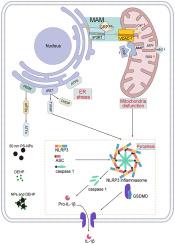
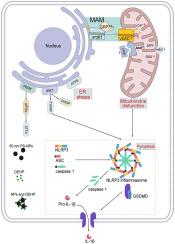
With the extensive use of plastic products, significant amounts of microplastics, nanoplastic particles (NPs), and plasticizers such as Di(2-ethylhexyl) phthalate (DEHP) are continuously released into the environment. However, the toxic effects of NPs alone or in combination with DEHP on mammary glands remain unreported. This study investigates the impacts of NPs and DEHP on the structure and function of mouse mammary epithelial cells and elucidates the underlying molecular mechanisms. We found that co-exposure to NPs and DEHP induced severe pyroptosis, inflammation and oxidative stress in HC11 cells. Co-exposure also caused mitochondrial damage, as evidenced by changes in mitochondrial membrane potential, increase in mitochondrial ROS and inhibition of ATP production. Moreover, NPs and DEHP co-exposure increased the transcriptional levels of endoplasmic reticulum (ER) stress-related genes, activated the inflammation-related NLRP3 signaling pathway, and damaged the cell membrane integrity. Notably, Co-exposure enhanced the ER-mitochondria crosstalk in HC11 cells, as evidenced by the upregulated transcriptional levels of ER Ca2+ channel proteins (Ip3r1, Grp75 and Vdac1), increased mitochondrial Ca2+ levels, and expanded mitochondrial-ER contact areas. In summary, this study revealed that NPs and DEHP co-exposure had the potential to induce pyroptosis and inflammation by enhancing the ER-mitochondria crosstalk, ultimately resulting in injury to mammary glands. These findings would provide some new insights into the molecular mechanisms underlying the toxic effects of NPs and DEHP to mammary glands.
期刊介绍:
Environmental Pollution is an international peer-reviewed journal that publishes high-quality research papers and review articles covering all aspects of environmental pollution and its impacts on ecosystems and human health.
Subject areas include, but are not limited to:
• Sources and occurrences of pollutants that are clearly defined and measured in environmental compartments, food and food-related items, and human bodies;
• Interlinks between contaminant exposure and biological, ecological, and human health effects, including those of climate change;
• Contaminants of emerging concerns (including but not limited to antibiotic resistant microorganisms or genes, microplastics/nanoplastics, electronic wastes, light, and noise) and/or their biological, ecological, or human health effects;
• Laboratory and field studies on the remediation/mitigation of environmental pollution via new techniques and with clear links to biological, ecological, or human health effects;
• Modeling of pollution processes, patterns, or trends that is of clear environmental and/or human health interest;
• New techniques that measure and examine environmental occurrences, transport, behavior, and effects of pollutants within the environment or the laboratory, provided that they can be clearly used to address problems within regional or global environmental compartments.




 京公网安备 11010802042870号
京ICP备2023020795号-1
京公网安备 11010802042870号
京ICP备2023020795号-1

 分享
分享
 求助内容:
求助内容: 应助结果提醒方式:
 扫码关注我们
