Varun Varma, Jonathan R. Mosedale, José Antonio Guzmán Alvarez, Daniel P. Bebber
{"title":"社会经济因素制约了热带出口作物对气候变化的适应","authors":"Varun Varma, Jonathan R. Mosedale, José Antonio Guzmán Alvarez, Daniel P. Bebber","doi":"10.1038/s43016-025-01130-1","DOIUrl":null,"url":null,"abstract":"Climate change will alter the geographical locations most suited for crop production, but adaptation to these new conditions may be constrained by edaphic and socio-economic factors. Here we investigate climate change adaptation constraints in banana, a major export crop of Latin America and the Caribbean. We derived optimal climatic, edaphic and socio-economic conditions from the distribution of intensive banana production across Latin America and the Caribbean, identified using remote sensing imagery. We found that intensive banana production is constrained to low-lying, warm aseasonal regions with slightly acidic soils, but is less constrained by precipitation, as irrigation facilitates production in drier regions. Production is limited to areas close to shipping ports and with high human population density. Rising temperatures, coupled with requirements for labour and export infrastructure, will result in a 60% reduction in the area suitable for export banana production, along with yield declines in most current banana producing areas. Understanding and preparing for the impacts of climate change on tropical crops is key for global food security and sustainable development, especially in the Global South. This study maps banana production in Latin America and the Caribbean in 2019, and analyses the potential impact of climate change and other factors on banana producing regions.","PeriodicalId":94151,"journal":{"name":"Nature food","volume":"6 4","pages":"343-352"},"PeriodicalIF":21.9000,"publicationDate":"2025-03-06","publicationTypes":"Journal Article","fieldsOfStudy":null,"isOpenAccess":false,"openAccessPdf":"https://www.nature.comhttps://www.nature.com/articles/s43016-025-01130-1.pdf","citationCount":"0","resultStr":"{\"title\":\"Socio-economic factors constrain climate change adaptation in a tropical export crop\",\"authors\":\"Varun Varma, Jonathan R. Mosedale, José Antonio Guzmán Alvarez, Daniel P. Bebber\",\"doi\":\"10.1038/s43016-025-01130-1\",\"DOIUrl\":null,\"url\":null,\"abstract\":\"Climate change will alter the geographical locations most suited for crop production, but adaptation to these new conditions may be constrained by edaphic and socio-economic factors. Here we investigate climate change adaptation constraints in banana, a major export crop of Latin America and the Caribbean. We derived optimal climatic, edaphic and socio-economic conditions from the distribution of intensive banana production across Latin America and the Caribbean, identified using remote sensing imagery. We found that intensive banana production is constrained to low-lying, warm aseasonal regions with slightly acidic soils, but is less constrained by precipitation, as irrigation facilitates production in drier regions. Production is limited to areas close to shipping ports and with high human population density. Rising temperatures, coupled with requirements for labour and export infrastructure, will result in a 60% reduction in the area suitable for export banana production, along with yield declines in most current banana producing areas. Understanding and preparing for the impacts of climate change on tropical crops is key for global food security and sustainable development, especially in the Global South. This study maps banana production in Latin America and the Caribbean in 2019, and analyses the potential impact of climate change and other factors on banana producing regions.\",\"PeriodicalId\":94151,\"journal\":{\"name\":\"Nature food\",\"volume\":\"6 4\",\"pages\":\"343-352\"},\"PeriodicalIF\":21.9000,\"publicationDate\":\"2025-03-06\",\"publicationTypes\":\"Journal Article\",\"fieldsOfStudy\":null,\"isOpenAccess\":false,\"openAccessPdf\":\"https://www.nature.comhttps://www.nature.com/articles/s43016-025-01130-1.pdf\",\"citationCount\":\"0\",\"resultStr\":null,\"platform\":\"Semanticscholar\",\"paperid\":null,\"PeriodicalName\":\"Nature food\",\"FirstCategoryId\":\"1085\",\"ListUrlMain\":\"https://www.nature.com/articles/s43016-025-01130-1\",\"RegionNum\":0,\"RegionCategory\":null,\"ArticlePicture\":[],\"TitleCN\":null,\"AbstractTextCN\":null,\"PMCID\":null,\"EPubDate\":\"\",\"PubModel\":\"\",\"JCR\":\"Q1\",\"JCRName\":\"FOOD SCIENCE & TECHNOLOGY\",\"Score\":null,\"Total\":0}","platform":"Semanticscholar","paperid":null,"PeriodicalName":"Nature food","FirstCategoryId":"1085","ListUrlMain":"https://www.nature.com/articles/s43016-025-01130-1","RegionNum":0,"RegionCategory":null,"ArticlePicture":[],"TitleCN":null,"AbstractTextCN":null,"PMCID":null,"EPubDate":"","PubModel":"","JCR":"Q1","JCRName":"FOOD SCIENCE & TECHNOLOGY","Score":null,"Total":0}
Socio-economic factors constrain climate change adaptation in a tropical export crop
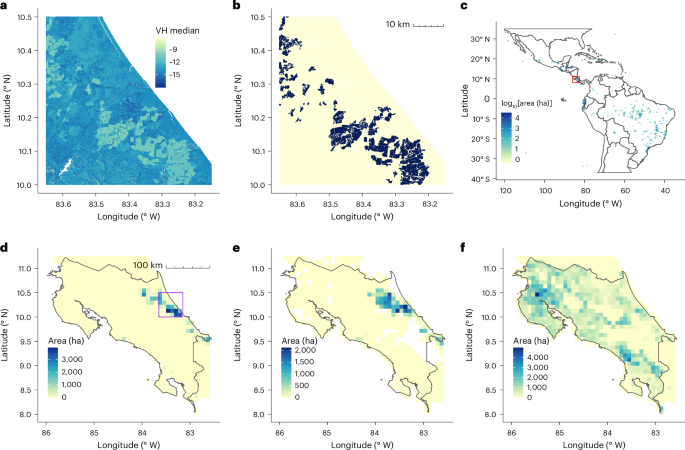
Climate change will alter the geographical locations most suited for crop production, but adaptation to these new conditions may be constrained by edaphic and socio-economic factors. Here we investigate climate change adaptation constraints in banana, a major export crop of Latin America and the Caribbean. We derived optimal climatic, edaphic and socio-economic conditions from the distribution of intensive banana production across Latin America and the Caribbean, identified using remote sensing imagery. We found that intensive banana production is constrained to low-lying, warm aseasonal regions with slightly acidic soils, but is less constrained by precipitation, as irrigation facilitates production in drier regions. Production is limited to areas close to shipping ports and with high human population density. Rising temperatures, coupled with requirements for labour and export infrastructure, will result in a 60% reduction in the area suitable for export banana production, along with yield declines in most current banana producing areas. Understanding and preparing for the impacts of climate change on tropical crops is key for global food security and sustainable development, especially in the Global South. This study maps banana production in Latin America and the Caribbean in 2019, and analyses the potential impact of climate change and other factors on banana producing regions.





 京公网安备 11010802042870号
京ICP备2023020795号-1
京公网安备 11010802042870号
京ICP备2023020795号-1

 分享
分享

 求助内容:
求助内容: 应助结果提醒方式:
 扫码关注我们
