Taojunfeng Su, Ryan T Fellers, Joseph B Greer, Richard D LeDuc, Paul M Thomas, Neil L Kelleher
{"title":"蛋白质形态预测:增加自上而下的蛋白质组学的系统发育范围。","authors":"Taojunfeng Su, Ryan T Fellers, Joseph B Greer, Richard D LeDuc, Paul M Thomas, Neil L Kelleher","doi":"10.1021/acs.jproteome.4c00943","DOIUrl":null,"url":null,"abstract":"<p><p>Proteoforms are distinct molecular forms of proteins that act as building blocks of organisms, with post-translational modifications (PTMs) being one of the key changes that generate these variations. Mass spectrometry (MS)-based top-down proteomics (TDP) is the leading technology for proteoform identification due to its preservation of intact proteoforms for analysis, making it well-suited for comprehensive PTM characterization. A crucial step in TDP is searching MS data against a database of candidate proteoforms. To extend the reach of TDP to organisms with limited PTM annotations, we developed Proteoform-predictor, an open-source tool that integrates homology-based PTM site prediction into proteoform database creation. The new tool creates databases of proteoform candidates after registration of homologous sequences, transferring PTM sites from well-characterized species to those with less comprehensive proteomic data. Our tool features a user-friendly interface and intuitive workflow, making it accessible to a wide range of researchers. We demonstrate that Proteoform-predictor expands proteoform databases with tens of thousands of proteoforms for three bacterial strains by comparing them to the reference proteome of <i>Escherichia coli</i> (<i>E. coli</i>) K12. Subsequent TDP analysis for <i>Serratia marcescens</i> (<i>S. marcescens</i>) and <i>Salmonella typhimurium</i> (<i>S. typhimurium</i>) demonstrated significant improvement in protein and proteoform identification, even for proteins with variant sequences. As TDP technology advances, Proteoform-predictor will become an important tool for expanding the applicability of proteoform identification and PTM biology to more diverse species across the phylogenetic tree of life.</p>","PeriodicalId":48,"journal":{"name":"Journal of Proteome Research","volume":" ","pages":"1861-1870"},"PeriodicalIF":3.6000,"publicationDate":"2025-04-04","publicationTypes":"Journal Article","fieldsOfStudy":null,"isOpenAccess":false,"openAccessPdf":"https://www.ncbi.nlm.nih.gov/pmc/articles/PMC12288289/pdf/","citationCount":"0","resultStr":"{\"title\":\"Proteoform-predictor: Increasing the Phylogenetic Reach of Top-Down Proteomics.\",\"authors\":\"Taojunfeng Su, Ryan T Fellers, Joseph B Greer, Richard D LeDuc, Paul M Thomas, Neil L Kelleher\",\"doi\":\"10.1021/acs.jproteome.4c00943\",\"DOIUrl\":null,\"url\":null,\"abstract\":\"<p><p>Proteoforms are distinct molecular forms of proteins that act as building blocks of organisms, with post-translational modifications (PTMs) being one of the key changes that generate these variations. Mass spectrometry (MS)-based top-down proteomics (TDP) is the leading technology for proteoform identification due to its preservation of intact proteoforms for analysis, making it well-suited for comprehensive PTM characterization. A crucial step in TDP is searching MS data against a database of candidate proteoforms. To extend the reach of TDP to organisms with limited PTM annotations, we developed Proteoform-predictor, an open-source tool that integrates homology-based PTM site prediction into proteoform database creation. The new tool creates databases of proteoform candidates after registration of homologous sequences, transferring PTM sites from well-characterized species to those with less comprehensive proteomic data. Our tool features a user-friendly interface and intuitive workflow, making it accessible to a wide range of researchers. We demonstrate that Proteoform-predictor expands proteoform databases with tens of thousands of proteoforms for three bacterial strains by comparing them to the reference proteome of <i>Escherichia coli</i> (<i>E. coli</i>) K12. Subsequent TDP analysis for <i>Serratia marcescens</i> (<i>S. marcescens</i>) and <i>Salmonella typhimurium</i> (<i>S. typhimurium</i>) demonstrated significant improvement in protein and proteoform identification, even for proteins with variant sequences. As TDP technology advances, Proteoform-predictor will become an important tool for expanding the applicability of proteoform identification and PTM biology to more diverse species across the phylogenetic tree of life.</p>\",\"PeriodicalId\":48,\"journal\":{\"name\":\"Journal of Proteome Research\",\"volume\":\" \",\"pages\":\"1861-1870\"},\"PeriodicalIF\":3.6000,\"publicationDate\":\"2025-04-04\",\"publicationTypes\":\"Journal Article\",\"fieldsOfStudy\":null,\"isOpenAccess\":false,\"openAccessPdf\":\"https://www.ncbi.nlm.nih.gov/pmc/articles/PMC12288289/pdf/\",\"citationCount\":\"0\",\"resultStr\":null,\"platform\":\"Semanticscholar\",\"paperid\":null,\"PeriodicalName\":\"Journal of Proteome Research\",\"FirstCategoryId\":\"99\",\"ListUrlMain\":\"https://doi.org/10.1021/acs.jproteome.4c00943\",\"RegionNum\":2,\"RegionCategory\":\"生物学\",\"ArticlePicture\":[],\"TitleCN\":null,\"AbstractTextCN\":null,\"PMCID\":null,\"EPubDate\":\"2025/3/10 0:00:00\",\"PubModel\":\"Epub\",\"JCR\":\"Q1\",\"JCRName\":\"BIOCHEMICAL RESEARCH METHODS\",\"Score\":null,\"Total\":0}","platform":"Semanticscholar","paperid":null,"PeriodicalName":"Journal of Proteome Research","FirstCategoryId":"99","ListUrlMain":"https://doi.org/10.1021/acs.jproteome.4c00943","RegionNum":2,"RegionCategory":"生物学","ArticlePicture":[],"TitleCN":null,"AbstractTextCN":null,"PMCID":null,"EPubDate":"2025/3/10 0:00:00","PubModel":"Epub","JCR":"Q1","JCRName":"BIOCHEMICAL RESEARCH METHODS","Score":null,"Total":0}
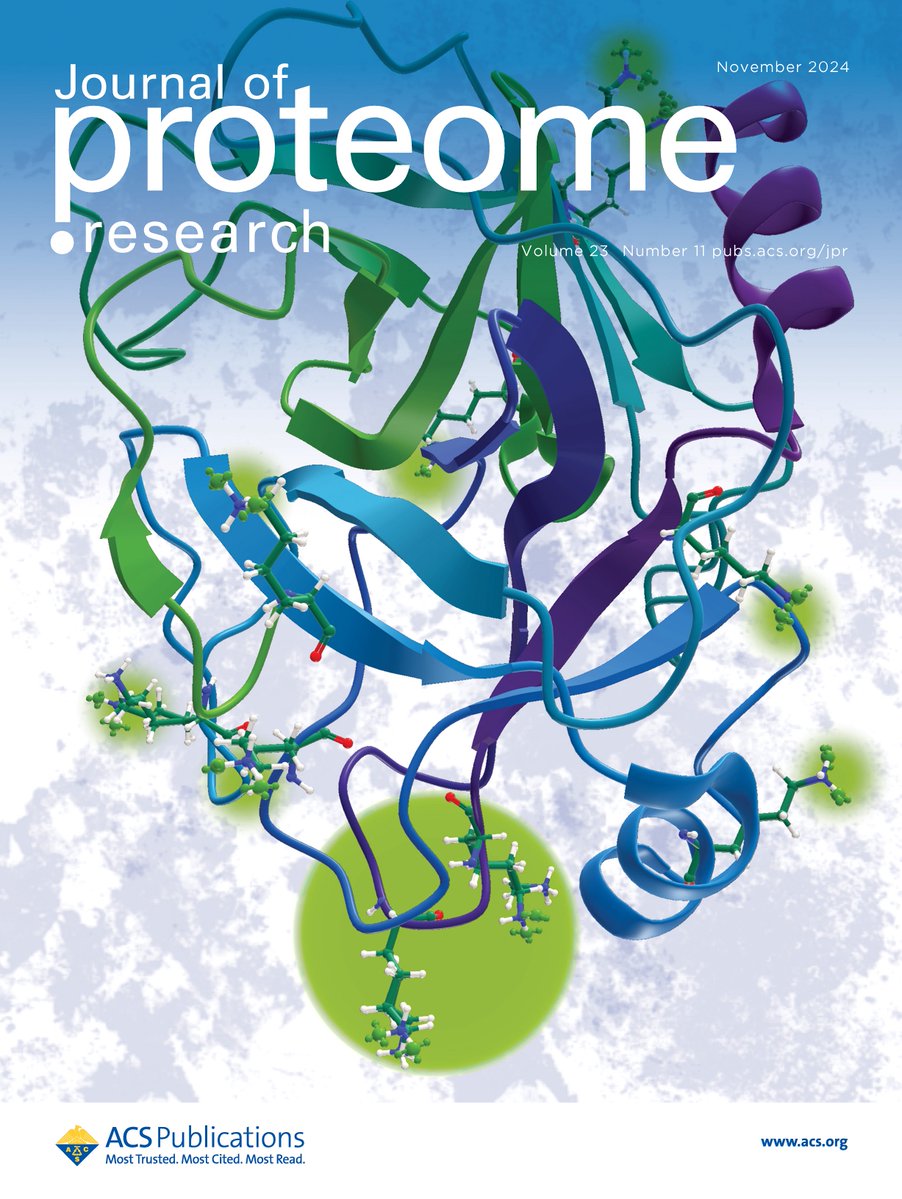
Proteoform-predictor: Increasing the Phylogenetic Reach of Top-Down Proteomics.
Proteoforms are distinct molecular forms of proteins that act as building blocks of organisms, with post-translational modifications (PTMs) being one of the key changes that generate these variations. Mass spectrometry (MS)-based top-down proteomics (TDP) is the leading technology for proteoform identification due to its preservation of intact proteoforms for analysis, making it well-suited for comprehensive PTM characterization. A crucial step in TDP is searching MS data against a database of candidate proteoforms. To extend the reach of TDP to organisms with limited PTM annotations, we developed Proteoform-predictor, an open-source tool that integrates homology-based PTM site prediction into proteoform database creation. The new tool creates databases of proteoform candidates after registration of homologous sequences, transferring PTM sites from well-characterized species to those with less comprehensive proteomic data. Our tool features a user-friendly interface and intuitive workflow, making it accessible to a wide range of researchers. We demonstrate that Proteoform-predictor expands proteoform databases with tens of thousands of proteoforms for three bacterial strains by comparing them to the reference proteome of Escherichia coli (E. coli) K12. Subsequent TDP analysis for Serratia marcescens (S. marcescens) and Salmonella typhimurium (S. typhimurium) demonstrated significant improvement in protein and proteoform identification, even for proteins with variant sequences. As TDP technology advances, Proteoform-predictor will become an important tool for expanding the applicability of proteoform identification and PTM biology to more diverse species across the phylogenetic tree of life.
期刊介绍:
Journal of Proteome Research publishes content encompassing all aspects of global protein analysis and function, including the dynamic aspects of genomics, spatio-temporal proteomics, metabonomics and metabolomics, clinical and agricultural proteomics, as well as advances in methodology including bioinformatics. The theme and emphasis is on a multidisciplinary approach to the life sciences through the synergy between the different types of "omics".




 京公网安备 11010802042870号
京ICP备2023020795号-1
京公网安备 11010802042870号
京ICP备2023020795号-1

 分享
分享
 求助内容:
求助内容: 应助结果提醒方式:
 扫码关注我们
