Asmaa N. Mustafa, Azza M. Khedre, Safa M. El-masry
{"title":"微塑料在凋落叶中的积累:微塑料摄入和通过捕食关系转移的现场证据","authors":"Asmaa N. Mustafa, Azza M. Khedre, Safa M. El-masry","doi":"10.1016/j.chemosphere.2025.144295","DOIUrl":null,"url":null,"abstract":"<div><div>Microplastics (MP) contamination of the terrestrial environment is a global concern. The contamination level of MPs in leaf litter and soil fauna that feed on it has not been reported. Moreover, the interspecific relationships among field soil fauna at different trophic levels and their effects on MP loads remain unclear. Thus, we selected a model food chain including a prey-isopod and predatory-spider relationship to evaluate the role of this relationship in the MPs body burden. The results showed that MP concentrations in the fallen leaf litter ranged from 5340 ± 336.15 particles/kg to 10920 ± 432.43 particles/kg dry weight during different seasons of the monitoring year. However, we found MP particles ranged from 1.17 ± 0.25 to 10.11 ± 1.02 particles/ind in isopods and 2.25 ± 0.35 to 4.25 ± 0.35 particles/ind in spiders. All extracted MPs were colored and blue was the most prevalent one. Fiber-shaped polyester (≤500 μm) and (501–1000 μm) were the most common MPs size in tested fauna and leaf litter, respectively. Our findings indicate that MP ingestion by isopods pose a significant risk for higher trophic levels in the terrestrial food chain. Magnification of MPs was observed in the predatory spider with MP concentration increasing from 46.45 ± 16.68 particles/gm wet weight in isopod to 147.51 ± 54.4 particles/gm wet weight in spider, annually. Furthermore, the results indicate that these soil invertebrates may represent a source of MPs to other organisms in the environment.</div></div>","PeriodicalId":276,"journal":{"name":"Chemosphere","volume":"376 ","pages":"Article 144295"},"PeriodicalIF":8.1000,"publicationDate":"2025-05-01","publicationTypes":"Journal Article","fieldsOfStudy":null,"isOpenAccess":false,"openAccessPdf":"","citationCount":"0","resultStr":"{\"title\":\"Microplastics accumulation in leaf litter: Field evidence for microplastic ingestion and transfer through prey-predatory relationships\",\"authors\":\"Asmaa N. Mustafa, Azza M. Khedre, Safa M. El-masry\",\"doi\":\"10.1016/j.chemosphere.2025.144295\",\"DOIUrl\":null,\"url\":null,\"abstract\":\"<div><div>Microplastics (MP) contamination of the terrestrial environment is a global concern. The contamination level of MPs in leaf litter and soil fauna that feed on it has not been reported. Moreover, the interspecific relationships among field soil fauna at different trophic levels and their effects on MP loads remain unclear. Thus, we selected a model food chain including a prey-isopod and predatory-spider relationship to evaluate the role of this relationship in the MPs body burden. The results showed that MP concentrations in the fallen leaf litter ranged from 5340 ± 336.15 particles/kg to 10920 ± 432.43 particles/kg dry weight during different seasons of the monitoring year. However, we found MP particles ranged from 1.17 ± 0.25 to 10.11 ± 1.02 particles/ind in isopods and 2.25 ± 0.35 to 4.25 ± 0.35 particles/ind in spiders. All extracted MPs were colored and blue was the most prevalent one. Fiber-shaped polyester (≤500 μm) and (501–1000 μm) were the most common MPs size in tested fauna and leaf litter, respectively. Our findings indicate that MP ingestion by isopods pose a significant risk for higher trophic levels in the terrestrial food chain. Magnification of MPs was observed in the predatory spider with MP concentration increasing from 46.45 ± 16.68 particles/gm wet weight in isopod to 147.51 ± 54.4 particles/gm wet weight in spider, annually. Furthermore, the results indicate that these soil invertebrates may represent a source of MPs to other organisms in the environment.</div></div>\",\"PeriodicalId\":276,\"journal\":{\"name\":\"Chemosphere\",\"volume\":\"376 \",\"pages\":\"Article 144295\"},\"PeriodicalIF\":8.1000,\"publicationDate\":\"2025-05-01\",\"publicationTypes\":\"Journal Article\",\"fieldsOfStudy\":null,\"isOpenAccess\":false,\"openAccessPdf\":\"\",\"citationCount\":\"0\",\"resultStr\":null,\"platform\":\"Semanticscholar\",\"paperid\":null,\"PeriodicalName\":\"Chemosphere\",\"FirstCategoryId\":\"93\",\"ListUrlMain\":\"https://www.sciencedirect.com/science/article/pii/S0045653525002371\",\"RegionNum\":2,\"RegionCategory\":\"环境科学与生态学\",\"ArticlePicture\":[],\"TitleCN\":null,\"AbstractTextCN\":null,\"PMCID\":null,\"EPubDate\":\"2025/3/12 0:00:00\",\"PubModel\":\"Epub\",\"JCR\":\"Q1\",\"JCRName\":\"ENVIRONMENTAL SCIENCES\",\"Score\":null,\"Total\":0}","platform":"Semanticscholar","paperid":null,"PeriodicalName":"Chemosphere","FirstCategoryId":"93","ListUrlMain":"https://www.sciencedirect.com/science/article/pii/S0045653525002371","RegionNum":2,"RegionCategory":"环境科学与生态学","ArticlePicture":[],"TitleCN":null,"AbstractTextCN":null,"PMCID":null,"EPubDate":"2025/3/12 0:00:00","PubModel":"Epub","JCR":"Q1","JCRName":"ENVIRONMENTAL SCIENCES","Score":null,"Total":0}
Microplastics accumulation in leaf litter: Field evidence for microplastic ingestion and transfer through prey-predatory relationships
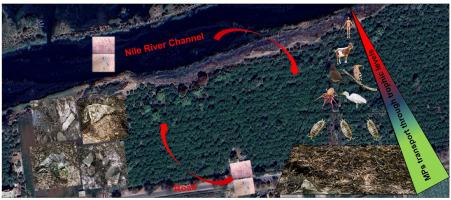
Microplastics (MP) contamination of the terrestrial environment is a global concern. The contamination level of MPs in leaf litter and soil fauna that feed on it has not been reported. Moreover, the interspecific relationships among field soil fauna at different trophic levels and their effects on MP loads remain unclear. Thus, we selected a model food chain including a prey-isopod and predatory-spider relationship to evaluate the role of this relationship in the MPs body burden. The results showed that MP concentrations in the fallen leaf litter ranged from 5340 ± 336.15 particles/kg to 10920 ± 432.43 particles/kg dry weight during different seasons of the monitoring year. However, we found MP particles ranged from 1.17 ± 0.25 to 10.11 ± 1.02 particles/ind in isopods and 2.25 ± 0.35 to 4.25 ± 0.35 particles/ind in spiders. All extracted MPs were colored and blue was the most prevalent one. Fiber-shaped polyester (≤500 μm) and (501–1000 μm) were the most common MPs size in tested fauna and leaf litter, respectively. Our findings indicate that MP ingestion by isopods pose a significant risk for higher trophic levels in the terrestrial food chain. Magnification of MPs was observed in the predatory spider with MP concentration increasing from 46.45 ± 16.68 particles/gm wet weight in isopod to 147.51 ± 54.4 particles/gm wet weight in spider, annually. Furthermore, the results indicate that these soil invertebrates may represent a source of MPs to other organisms in the environment.
期刊介绍:
Chemosphere, being an international multidisciplinary journal, is dedicated to publishing original communications and review articles on chemicals in the environment. The scope covers a wide range of topics, including the identification, quantification, behavior, fate, toxicology, treatment, and remediation of chemicals in the bio-, hydro-, litho-, and atmosphere, ensuring the broad dissemination of research in this field.




 京公网安备 11010802042870号
京ICP备2023020795号-1
京公网安备 11010802042870号
京ICP备2023020795号-1

 分享
分享
 求助内容:
求助内容: 应助结果提醒方式:
 扫码关注我们
