Gina M Solomon, Nayamin Martinez, Julie Von Behren, Isabella Kaser, David Chang, Aditya Singh, Stephanie Jarmul, Shelly L Miller, Peggy Reynolds, Mohammad Heidarinejad, Brent Stephens, Brett C Singer, Jeff Wagner, John R Balmes
{"title":"蒸发冷却器和野火烟雾暴露:炎热干燥地区的气候正义问题。","authors":"Gina M Solomon, Nayamin Martinez, Julie Von Behren, Isabella Kaser, David Chang, Aditya Singh, Stephanie Jarmul, Shelly L Miller, Peggy Reynolds, Mohammad Heidarinejad, Brent Stephens, Brett C Singer, Jeff Wagner, John R Balmes","doi":"10.3389/fpubh.2025.1541053","DOIUrl":null,"url":null,"abstract":"<p><p>Low-income families in dry regions, including in the Southwestern United States, frequently cool their homes with evaporative (\"swamp\") coolers (ECs). While inexpensive and energy efficient compared to central air conditioners, ECs pull unfiltered outdoor air into the home, creating a health hazard to occupants when wildfire smoke and heat events coincide. A community-engaged research project to reduce wildfire smoke in homes was conducted in California's San Joaquin Valley in homes of Spanish-speaking agricultural workers. A total of 88 study participants with ECs were asked about their level of satisfaction with their EC and their willingness to pay for air filtration. About 47% of participants reported dissatisfaction with their EC, with the most frequently reported reason being that it brings in dust and air pollution. Participants were highly satisfied with air cleaners and air filters that were offered to them free-of-charge. However, a willingness to pay analysis showed that air filtration solutions would not be adopted without significant subsidies; furthermore, air filtration would be an ongoing cost to participants due to the need to regularly replace filters. Short-term filtration solutions for EC users are feasible to implement and may reduce smoke exposure during wildfire events. Such solutions would need to be offered at low-or no-cost to reduce barriers to adoption. Longer term solutions include prioritizing homes with ECs in wildfire smoke exposed regions for replacement with air cooling technologies that provide clean air. Because ECs are disproportionately in low-income homes, addressing smoke intrusion through these devices is an environmental justice issue.</p>","PeriodicalId":12548,"journal":{"name":"Frontiers in Public Health","volume":"13 ","pages":"1541053"},"PeriodicalIF":4.1000,"publicationDate":"2025-02-26","publicationTypes":"Journal Article","fieldsOfStudy":null,"isOpenAccess":false,"openAccessPdf":"https://www.ncbi.nlm.nih.gov/pmc/articles/PMC11897565/pdf/","citationCount":"0","resultStr":"{\"title\":\"Evaporative coolers and wildfire smoke exposure: a climate justice issue in hot, dry regions.\",\"authors\":\"Gina M Solomon, Nayamin Martinez, Julie Von Behren, Isabella Kaser, David Chang, Aditya Singh, Stephanie Jarmul, Shelly L Miller, Peggy Reynolds, Mohammad Heidarinejad, Brent Stephens, Brett C Singer, Jeff Wagner, John R Balmes\",\"doi\":\"10.3389/fpubh.2025.1541053\",\"DOIUrl\":null,\"url\":null,\"abstract\":\"<p><p>Low-income families in dry regions, including in the Southwestern United States, frequently cool their homes with evaporative (\\\"swamp\\\") coolers (ECs). While inexpensive and energy efficient compared to central air conditioners, ECs pull unfiltered outdoor air into the home, creating a health hazard to occupants when wildfire smoke and heat events coincide. A community-engaged research project to reduce wildfire smoke in homes was conducted in California's San Joaquin Valley in homes of Spanish-speaking agricultural workers. A total of 88 study participants with ECs were asked about their level of satisfaction with their EC and their willingness to pay for air filtration. About 47% of participants reported dissatisfaction with their EC, with the most frequently reported reason being that it brings in dust and air pollution. Participants were highly satisfied with air cleaners and air filters that were offered to them free-of-charge. However, a willingness to pay analysis showed that air filtration solutions would not be adopted without significant subsidies; furthermore, air filtration would be an ongoing cost to participants due to the need to regularly replace filters. Short-term filtration solutions for EC users are feasible to implement and may reduce smoke exposure during wildfire events. Such solutions would need to be offered at low-or no-cost to reduce barriers to adoption. Longer term solutions include prioritizing homes with ECs in wildfire smoke exposed regions for replacement with air cooling technologies that provide clean air. Because ECs are disproportionately in low-income homes, addressing smoke intrusion through these devices is an environmental justice issue.</p>\",\"PeriodicalId\":12548,\"journal\":{\"name\":\"Frontiers in Public Health\",\"volume\":\"13 \",\"pages\":\"1541053\"},\"PeriodicalIF\":4.1000,\"publicationDate\":\"2025-02-26\",\"publicationTypes\":\"Journal Article\",\"fieldsOfStudy\":null,\"isOpenAccess\":false,\"openAccessPdf\":\"https://www.ncbi.nlm.nih.gov/pmc/articles/PMC11897565/pdf/\",\"citationCount\":\"0\",\"resultStr\":null,\"platform\":\"Semanticscholar\",\"paperid\":null,\"PeriodicalName\":\"Frontiers in Public Health\",\"FirstCategoryId\":\"3\",\"ListUrlMain\":\"https://doi.org/10.3389/fpubh.2025.1541053\",\"RegionNum\":3,\"RegionCategory\":\"医学\",\"ArticlePicture\":[],\"TitleCN\":null,\"AbstractTextCN\":null,\"PMCID\":null,\"EPubDate\":\"2025/1/1 0:00:00\",\"PubModel\":\"eCollection\",\"JCR\":\"Q2\",\"JCRName\":\"PUBLIC, ENVIRONMENTAL & OCCUPATIONAL HEALTH\",\"Score\":null,\"Total\":0}","platform":"Semanticscholar","paperid":null,"PeriodicalName":"Frontiers in Public Health","FirstCategoryId":"3","ListUrlMain":"https://doi.org/10.3389/fpubh.2025.1541053","RegionNum":3,"RegionCategory":"医学","ArticlePicture":[],"TitleCN":null,"AbstractTextCN":null,"PMCID":null,"EPubDate":"2025/1/1 0:00:00","PubModel":"eCollection","JCR":"Q2","JCRName":"PUBLIC, ENVIRONMENTAL & OCCUPATIONAL HEALTH","Score":null,"Total":0}
Evaporative coolers and wildfire smoke exposure: a climate justice issue in hot, dry regions.
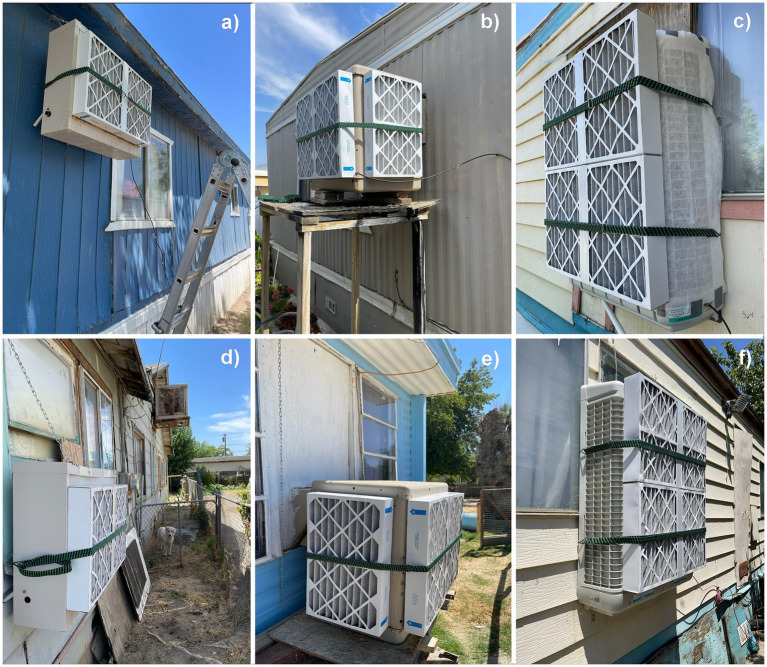
Low-income families in dry regions, including in the Southwestern United States, frequently cool their homes with evaporative ("swamp") coolers (ECs). While inexpensive and energy efficient compared to central air conditioners, ECs pull unfiltered outdoor air into the home, creating a health hazard to occupants when wildfire smoke and heat events coincide. A community-engaged research project to reduce wildfire smoke in homes was conducted in California's San Joaquin Valley in homes of Spanish-speaking agricultural workers. A total of 88 study participants with ECs were asked about their level of satisfaction with their EC and their willingness to pay for air filtration. About 47% of participants reported dissatisfaction with their EC, with the most frequently reported reason being that it brings in dust and air pollution. Participants were highly satisfied with air cleaners and air filters that were offered to them free-of-charge. However, a willingness to pay analysis showed that air filtration solutions would not be adopted without significant subsidies; furthermore, air filtration would be an ongoing cost to participants due to the need to regularly replace filters. Short-term filtration solutions for EC users are feasible to implement and may reduce smoke exposure during wildfire events. Such solutions would need to be offered at low-or no-cost to reduce barriers to adoption. Longer term solutions include prioritizing homes with ECs in wildfire smoke exposed regions for replacement with air cooling technologies that provide clean air. Because ECs are disproportionately in low-income homes, addressing smoke intrusion through these devices is an environmental justice issue.
期刊介绍:
Frontiers in Public Health is a multidisciplinary open-access journal which publishes rigorously peer-reviewed research and is at the forefront of disseminating and communicating scientific knowledge and impactful discoveries to researchers, academics, clinicians, policy makers and the public worldwide. The journal aims at overcoming current fragmentation in research and publication, promoting consistency in pursuing relevant scientific themes, and supporting finding dissemination and translation into practice.
Frontiers in Public Health is organized into Specialty Sections that cover different areas of research in the field. Please refer to the author guidelines for details on article types and the submission process.






 京公网安备 11010802042870号
京ICP备2023020795号-1
京公网安备 11010802042870号
京ICP备2023020795号-1

 分享
分享
 求助内容:
求助内容: 应助结果提醒方式:
 扫码关注我们
