Rana R Khalaf, Noura S Abouzeinab, Mahmoud I Khalil
{"title":"黎巴嫩民间草药对成年雄性大鼠的影响:肝和肾毒性,组织学和生化研究。","authors":"Rana R Khalaf, Noura S Abouzeinab, Mahmoud I Khalil","doi":"10.3390/nu17050875","DOIUrl":null,"url":null,"abstract":"<p><p><b>Background/Objectives:</b><i>Lepidium sativum</i>, <i>Ferula hermonis</i>, <i>Origanum majorana</i>, and <i>Eruca sativa</i> are frequently consumed as a traditional Middle Eastern medicine to promote health and treat various diseases. However, concerns have been raised about their possible harmful effect in humans. Limited research has examined their chronic toxicity in rats, and their combined exposure effects are still unknown. Hence, this research aimed to evaluate their potential hepato- and nephrotoxic effects. <b>Methods:</b> Aqueous extracts of the selected plants, with a dose of 100 mg/kg, were administered separately and as a mixture daily for 60 days. Blood and tissue were sampled from 28 rats, and organ weight, biochemical markers for kidney and liver function, and histopathological examination were assessed. <b>Results:</b> The results indicated increased liver weight, liver and kidney malondialdehyde, alanine transaminase, and urea, and decreased serum creatinine and kidney glutathione levels. Additionally, histological examinations showed liver and kidney architectural damage. Further, the extent of toxicity varied among the plants. <b>Conclusions:</b> In conclusion, the results revealed that the corresponding plant extracts' oral administration affects biological functions and promotes liver and kidney oxidative damage in rats, with FH and ES exhibiting the highest level of liver toxicity and ES and MIX showing the highest level of kidney toxicity.</p>","PeriodicalId":19486,"journal":{"name":"Nutrients","volume":"17 5","pages":""},"PeriodicalIF":5.8000,"publicationDate":"2025-02-28","publicationTypes":"Journal Article","fieldsOfStudy":null,"isOpenAccess":false,"openAccessPdf":"https://www.ncbi.nlm.nih.gov/pmc/articles/PMC11901480/pdf/","citationCount":"0","resultStr":"{\"title\":\"Effects of Lebanese Folk Herbs on Adult Male Rats: Hepatic and Renal Toxicity, Histological, and Biochemical Studies.\",\"authors\":\"Rana R Khalaf, Noura S Abouzeinab, Mahmoud I Khalil\",\"doi\":\"10.3390/nu17050875\",\"DOIUrl\":null,\"url\":null,\"abstract\":\"<p><p><b>Background/Objectives:</b><i>Lepidium sativum</i>, <i>Ferula hermonis</i>, <i>Origanum majorana</i>, and <i>Eruca sativa</i> are frequently consumed as a traditional Middle Eastern medicine to promote health and treat various diseases. However, concerns have been raised about their possible harmful effect in humans. Limited research has examined their chronic toxicity in rats, and their combined exposure effects are still unknown. Hence, this research aimed to evaluate their potential hepato- and nephrotoxic effects. <b>Methods:</b> Aqueous extracts of the selected plants, with a dose of 100 mg/kg, were administered separately and as a mixture daily for 60 days. Blood and tissue were sampled from 28 rats, and organ weight, biochemical markers for kidney and liver function, and histopathological examination were assessed. <b>Results:</b> The results indicated increased liver weight, liver and kidney malondialdehyde, alanine transaminase, and urea, and decreased serum creatinine and kidney glutathione levels. Additionally, histological examinations showed liver and kidney architectural damage. Further, the extent of toxicity varied among the plants. <b>Conclusions:</b> In conclusion, the results revealed that the corresponding plant extracts' oral administration affects biological functions and promotes liver and kidney oxidative damage in rats, with FH and ES exhibiting the highest level of liver toxicity and ES and MIX showing the highest level of kidney toxicity.</p>\",\"PeriodicalId\":19486,\"journal\":{\"name\":\"Nutrients\",\"volume\":\"17 5\",\"pages\":\"\"},\"PeriodicalIF\":5.8000,\"publicationDate\":\"2025-02-28\",\"publicationTypes\":\"Journal Article\",\"fieldsOfStudy\":null,\"isOpenAccess\":false,\"openAccessPdf\":\"https://www.ncbi.nlm.nih.gov/pmc/articles/PMC11901480/pdf/\",\"citationCount\":\"0\",\"resultStr\":null,\"platform\":\"Semanticscholar\",\"paperid\":null,\"PeriodicalName\":\"Nutrients\",\"FirstCategoryId\":\"3\",\"ListUrlMain\":\"https://doi.org/10.3390/nu17050875\",\"RegionNum\":2,\"RegionCategory\":\"医学\",\"ArticlePicture\":[],\"TitleCN\":null,\"AbstractTextCN\":null,\"PMCID\":null,\"EPubDate\":\"\",\"PubModel\":\"\",\"JCR\":\"Q1\",\"JCRName\":\"NUTRITION & DIETETICS\",\"Score\":null,\"Total\":0}","platform":"Semanticscholar","paperid":null,"PeriodicalName":"Nutrients","FirstCategoryId":"3","ListUrlMain":"https://doi.org/10.3390/nu17050875","RegionNum":2,"RegionCategory":"医学","ArticlePicture":[],"TitleCN":null,"AbstractTextCN":null,"PMCID":null,"EPubDate":"","PubModel":"","JCR":"Q1","JCRName":"NUTRITION & DIETETICS","Score":null,"Total":0}
Effects of Lebanese Folk Herbs on Adult Male Rats: Hepatic and Renal Toxicity, Histological, and Biochemical Studies.
Background/Objectives:Lepidium sativum, Ferula hermonis, Origanum majorana, and Eruca sativa are frequently consumed as a traditional Middle Eastern medicine to promote health and treat various diseases. However, concerns have been raised about their possible harmful effect in humans. Limited research has examined their chronic toxicity in rats, and their combined exposure effects are still unknown. Hence, this research aimed to evaluate their potential hepato- and nephrotoxic effects. Methods: Aqueous extracts of the selected plants, with a dose of 100 mg/kg, were administered separately and as a mixture daily for 60 days. Blood and tissue were sampled from 28 rats, and organ weight, biochemical markers for kidney and liver function, and histopathological examination were assessed. Results: The results indicated increased liver weight, liver and kidney malondialdehyde, alanine transaminase, and urea, and decreased serum creatinine and kidney glutathione levels. Additionally, histological examinations showed liver and kidney architectural damage. Further, the extent of toxicity varied among the plants. Conclusions: In conclusion, the results revealed that the corresponding plant extracts' oral administration affects biological functions and promotes liver and kidney oxidative damage in rats, with FH and ES exhibiting the highest level of liver toxicity and ES and MIX showing the highest level of kidney toxicity.
期刊介绍:
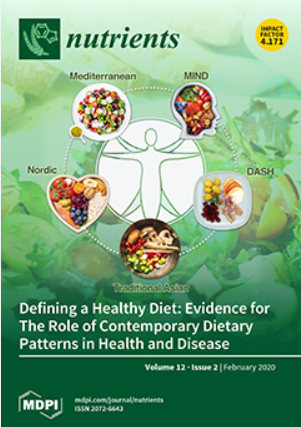
Nutrients (ISSN 2072-6643) is an international, peer-reviewed open access advanced forum for studies related to Human Nutrition. It publishes reviews, regular research papers and short communications. Our aim is to encourage scientists to publish their experimental and theoretical results in as much detail as possible. There is no restriction on the length of the papers. The full experimental details must be provided so that the results can be reproduced.




 京公网安备 11010802042870号
京ICP备2023020795号-1
京公网安备 11010802042870号
京ICP备2023020795号-1

 分享
分享
 求助内容:
求助内容: 应助结果提醒方式:
 扫码关注我们
