Runtao Wu , Zhenyu Zhu , Wenfeng Xiao , Jiarong Zou , Yaoyao Nie , Ye Yang , Wenxia Zhao , Zhenqiang You , Yingjun Li
{"title":"二苯甲酮-3 通过调节 IL-6/JAK2/STAT3 通路诱导软骨细胞损伤的机制","authors":"Runtao Wu , Zhenyu Zhu , Wenfeng Xiao , Jiarong Zou , Yaoyao Nie , Ye Yang , Wenxia Zhao , Zhenqiang You , Yingjun Li","doi":"10.1016/j.envpol.2025.126064","DOIUrl":null,"url":null,"abstract":"<div><div>Currently, limited research exists on the relationship between osteoarthritis (OA) and Benzophenone-3 (BP-3). This study aims to explore the potential molecular pathways involved, using both in vivo and in vitro biological experiments. In vivo experiments revealed that exposure to BP-3 leads to cartilage damage in the knee joints of rats, suggesting that BP-3 may be a significant risk factor in the development and progression of osteoarthritis. Proteomic sequencing of knee cartilage tissue revealed alterations in multiple inflammatory pathways in the BP-3 group. In vitro cellular experiments further demonstrated the toxic effects of BP-3 on chondrocytes, including inflammatory changes and increased transcriptional levels of IL-6. Cellular transcriptomics sequencing revealed significant changes in multiple intracellular inflammatory pathways, particularly the JAK-STAT pathway. Additional experiments demonstrated that BP-3 enhances STAT3 phosphorylation, promoting the degradation of extracellular matrix (ECM) proteins. Silence of STAT3 alleviated the impaired effects of BP-3 on chondrocytes. Overall, our data suggest that BP-3 exposure may be a significant risk factor for OA development. This study provides substantial evidence and a comprehensive understanding of the impact of BP-3 on OA development.</div></div>","PeriodicalId":311,"journal":{"name":"Environmental Pollution","volume":"372 ","pages":"Article 126064"},"PeriodicalIF":7.3000,"publicationDate":"2025-05-01","publicationTypes":"Journal Article","fieldsOfStudy":null,"isOpenAccess":false,"openAccessPdf":"","citationCount":"0","resultStr":"{\"title\":\"Mechanism of chondrocyte injury induced by Benzophenone-3 through modulation of the IL-6/JAK2/STAT3 pathway\",\"authors\":\"Runtao Wu , Zhenyu Zhu , Wenfeng Xiao , Jiarong Zou , Yaoyao Nie , Ye Yang , Wenxia Zhao , Zhenqiang You , Yingjun Li\",\"doi\":\"10.1016/j.envpol.2025.126064\",\"DOIUrl\":null,\"url\":null,\"abstract\":\"<div><div>Currently, limited research exists on the relationship between osteoarthritis (OA) and Benzophenone-3 (BP-3). This study aims to explore the potential molecular pathways involved, using both in vivo and in vitro biological experiments. In vivo experiments revealed that exposure to BP-3 leads to cartilage damage in the knee joints of rats, suggesting that BP-3 may be a significant risk factor in the development and progression of osteoarthritis. Proteomic sequencing of knee cartilage tissue revealed alterations in multiple inflammatory pathways in the BP-3 group. In vitro cellular experiments further demonstrated the toxic effects of BP-3 on chondrocytes, including inflammatory changes and increased transcriptional levels of IL-6. Cellular transcriptomics sequencing revealed significant changes in multiple intracellular inflammatory pathways, particularly the JAK-STAT pathway. Additional experiments demonstrated that BP-3 enhances STAT3 phosphorylation, promoting the degradation of extracellular matrix (ECM) proteins. Silence of STAT3 alleviated the impaired effects of BP-3 on chondrocytes. Overall, our data suggest that BP-3 exposure may be a significant risk factor for OA development. This study provides substantial evidence and a comprehensive understanding of the impact of BP-3 on OA development.</div></div>\",\"PeriodicalId\":311,\"journal\":{\"name\":\"Environmental Pollution\",\"volume\":\"372 \",\"pages\":\"Article 126064\"},\"PeriodicalIF\":7.3000,\"publicationDate\":\"2025-05-01\",\"publicationTypes\":\"Journal Article\",\"fieldsOfStudy\":null,\"isOpenAccess\":false,\"openAccessPdf\":\"\",\"citationCount\":\"0\",\"resultStr\":null,\"platform\":\"Semanticscholar\",\"paperid\":null,\"PeriodicalName\":\"Environmental Pollution\",\"FirstCategoryId\":\"93\",\"ListUrlMain\":\"https://www.sciencedirect.com/science/article/pii/S0269749125004373\",\"RegionNum\":2,\"RegionCategory\":\"环境科学与生态学\",\"ArticlePicture\":[],\"TitleCN\":null,\"AbstractTextCN\":null,\"PMCID\":null,\"EPubDate\":\"2025/3/14 0:00:00\",\"PubModel\":\"Epub\",\"JCR\":\"Q1\",\"JCRName\":\"ENVIRONMENTAL SCIENCES\",\"Score\":null,\"Total\":0}","platform":"Semanticscholar","paperid":null,"PeriodicalName":"Environmental Pollution","FirstCategoryId":"93","ListUrlMain":"https://www.sciencedirect.com/science/article/pii/S0269749125004373","RegionNum":2,"RegionCategory":"环境科学与生态学","ArticlePicture":[],"TitleCN":null,"AbstractTextCN":null,"PMCID":null,"EPubDate":"2025/3/14 0:00:00","PubModel":"Epub","JCR":"Q1","JCRName":"ENVIRONMENTAL SCIENCES","Score":null,"Total":0}
Mechanism of chondrocyte injury induced by Benzophenone-3 through modulation of the IL-6/JAK2/STAT3 pathway
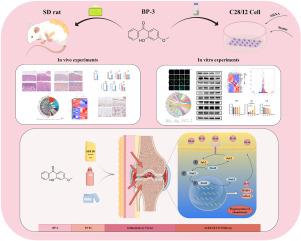
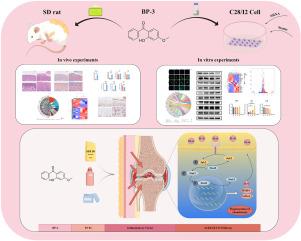
Currently, limited research exists on the relationship between osteoarthritis (OA) and Benzophenone-3 (BP-3). This study aims to explore the potential molecular pathways involved, using both in vivo and in vitro biological experiments. In vivo experiments revealed that exposure to BP-3 leads to cartilage damage in the knee joints of rats, suggesting that BP-3 may be a significant risk factor in the development and progression of osteoarthritis. Proteomic sequencing of knee cartilage tissue revealed alterations in multiple inflammatory pathways in the BP-3 group. In vitro cellular experiments further demonstrated the toxic effects of BP-3 on chondrocytes, including inflammatory changes and increased transcriptional levels of IL-6. Cellular transcriptomics sequencing revealed significant changes in multiple intracellular inflammatory pathways, particularly the JAK-STAT pathway. Additional experiments demonstrated that BP-3 enhances STAT3 phosphorylation, promoting the degradation of extracellular matrix (ECM) proteins. Silence of STAT3 alleviated the impaired effects of BP-3 on chondrocytes. Overall, our data suggest that BP-3 exposure may be a significant risk factor for OA development. This study provides substantial evidence and a comprehensive understanding of the impact of BP-3 on OA development.
期刊介绍:
Environmental Pollution is an international peer-reviewed journal that publishes high-quality research papers and review articles covering all aspects of environmental pollution and its impacts on ecosystems and human health.
Subject areas include, but are not limited to:
• Sources and occurrences of pollutants that are clearly defined and measured in environmental compartments, food and food-related items, and human bodies;
• Interlinks between contaminant exposure and biological, ecological, and human health effects, including those of climate change;
• Contaminants of emerging concerns (including but not limited to antibiotic resistant microorganisms or genes, microplastics/nanoplastics, electronic wastes, light, and noise) and/or their biological, ecological, or human health effects;
• Laboratory and field studies on the remediation/mitigation of environmental pollution via new techniques and with clear links to biological, ecological, or human health effects;
• Modeling of pollution processes, patterns, or trends that is of clear environmental and/or human health interest;
• New techniques that measure and examine environmental occurrences, transport, behavior, and effects of pollutants within the environment or the laboratory, provided that they can be clearly used to address problems within regional or global environmental compartments.




 京公网安备 11010802042870号
京ICP备2023020795号-1
京公网安备 11010802042870号
京ICP备2023020795号-1

 分享
分享
 求助内容:
求助内容: 应助结果提醒方式:
 扫码关注我们
