Jason Kent , Jeffrey T. Hutchinson , Vikram Kapoor , Akanksha Matta , Samer Dessouky
{"title":"美国德克萨斯州中部爱德华兹含水层补给区滞留盆地和洼地沉积物中道路径流中的油和脂的评价","authors":"Jason Kent , Jeffrey T. Hutchinson , Vikram Kapoor , Akanksha Matta , Samer Dessouky","doi":"10.1016/j.envpol.2025.126063","DOIUrl":null,"url":null,"abstract":"<div><div>In this study, we evaluated the oil and grease concentrations in sediment from roadway runoff in detention basins and swales following rain events. The study was conducted in three swales and two detention basins within the Edwards Aquifer recharge zone in San Antonio, Texas and one swale located in the contributing zone. The Edwards Aquifer is the primary source of municipal water for Bexar and surrounding counties and being a karst aquifer makes it susceptible to pollution. Oil and grease was sampled following eight rain events in detention basin (n = 3) and swales (n = 3) from November 2020 to July 2021 using pitfall traps. Mean oil and grease concentrations in detention basins and swales were 723 mg kg<sup>−1</sup> (SE = 41.6) and 667 mg kg<sup>−1</sup> (SE = 41.9), respectively, indicating these stormwater management structures are efficient at capturing oil and grease from roadway runoff. Mean sediment weight captured in pitfall traps was 2.6-fold greater in confined detention basins (6475 g m<sup>2-1</sup>; SE = 1193) compared to swales (2443 g m<sup>2-1</sup>; SE = 526). Nonmetric Multidimensional Scaling (NMS) indicated that particle sizes of 125, 250, and 500 μm were moderately associated with oil and grease concentrations on axis 1. Detention basins and swales should be promoted for future development in the Edwards Aquifer contributing and recharge zones for management of oil and grease and other pollutants associated with roadway runoff and other impervious structures for protection of groundwater and the associated listed species.</div></div>","PeriodicalId":311,"journal":{"name":"Environmental Pollution","volume":"372 ","pages":"Article 126063"},"PeriodicalIF":7.2000,"publicationDate":"2025-05-01","publicationTypes":"Journal Article","fieldsOfStudy":null,"isOpenAccess":false,"openAccessPdf":"","citationCount":"0","resultStr":"{\"title\":\"Evaluation of oil and grease from roadway runoff in sediment from detention basins and swales within the Edwards Aquifer recharge zone, central Texas, U.S.A.\",\"authors\":\"Jason Kent , Jeffrey T. Hutchinson , Vikram Kapoor , Akanksha Matta , Samer Dessouky\",\"doi\":\"10.1016/j.envpol.2025.126063\",\"DOIUrl\":null,\"url\":null,\"abstract\":\"<div><div>In this study, we evaluated the oil and grease concentrations in sediment from roadway runoff in detention basins and swales following rain events. The study was conducted in three swales and two detention basins within the Edwards Aquifer recharge zone in San Antonio, Texas and one swale located in the contributing zone. The Edwards Aquifer is the primary source of municipal water for Bexar and surrounding counties and being a karst aquifer makes it susceptible to pollution. Oil and grease was sampled following eight rain events in detention basin (n = 3) and swales (n = 3) from November 2020 to July 2021 using pitfall traps. Mean oil and grease concentrations in detention basins and swales were 723 mg kg<sup>−1</sup> (SE = 41.6) and 667 mg kg<sup>−1</sup> (SE = 41.9), respectively, indicating these stormwater management structures are efficient at capturing oil and grease from roadway runoff. Mean sediment weight captured in pitfall traps was 2.6-fold greater in confined detention basins (6475 g m<sup>2-1</sup>; SE = 1193) compared to swales (2443 g m<sup>2-1</sup>; SE = 526). Nonmetric Multidimensional Scaling (NMS) indicated that particle sizes of 125, 250, and 500 μm were moderately associated with oil and grease concentrations on axis 1. Detention basins and swales should be promoted for future development in the Edwards Aquifer contributing and recharge zones for management of oil and grease and other pollutants associated with roadway runoff and other impervious structures for protection of groundwater and the associated listed species.</div></div>\",\"PeriodicalId\":311,\"journal\":{\"name\":\"Environmental Pollution\",\"volume\":\"372 \",\"pages\":\"Article 126063\"},\"PeriodicalIF\":7.2000,\"publicationDate\":\"2025-05-01\",\"publicationTypes\":\"Journal Article\",\"fieldsOfStudy\":null,\"isOpenAccess\":false,\"openAccessPdf\":\"\",\"citationCount\":\"0\",\"resultStr\":null,\"platform\":\"Semanticscholar\",\"paperid\":null,\"PeriodicalName\":\"Environmental Pollution\",\"FirstCategoryId\":\"93\",\"ListUrlMain\":\"https://www.sciencedirect.com/science/article/pii/S0269749125004361\",\"RegionNum\":2,\"RegionCategory\":\"环境科学与生态学\",\"ArticlePicture\":[],\"TitleCN\":null,\"AbstractTextCN\":null,\"PMCID\":null,\"EPubDate\":\"2025/3/14 0:00:00\",\"PubModel\":\"Epub\",\"JCR\":\"Q1\",\"JCRName\":\"ENVIRONMENTAL SCIENCES\",\"Score\":null,\"Total\":0}","platform":"Semanticscholar","paperid":null,"PeriodicalName":"Environmental Pollution","FirstCategoryId":"93","ListUrlMain":"https://www.sciencedirect.com/science/article/pii/S0269749125004361","RegionNum":2,"RegionCategory":"环境科学与生态学","ArticlePicture":[],"TitleCN":null,"AbstractTextCN":null,"PMCID":null,"EPubDate":"2025/3/14 0:00:00","PubModel":"Epub","JCR":"Q1","JCRName":"ENVIRONMENTAL SCIENCES","Score":null,"Total":0}
Evaluation of oil and grease from roadway runoff in sediment from detention basins and swales within the Edwards Aquifer recharge zone, central Texas, U.S.A.
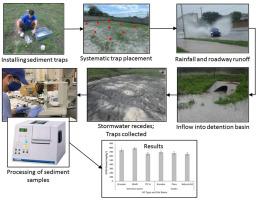
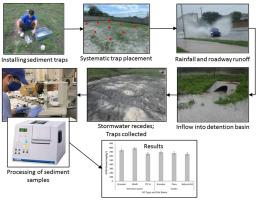
In this study, we evaluated the oil and grease concentrations in sediment from roadway runoff in detention basins and swales following rain events. The study was conducted in three swales and two detention basins within the Edwards Aquifer recharge zone in San Antonio, Texas and one swale located in the contributing zone. The Edwards Aquifer is the primary source of municipal water for Bexar and surrounding counties and being a karst aquifer makes it susceptible to pollution. Oil and grease was sampled following eight rain events in detention basin (n = 3) and swales (n = 3) from November 2020 to July 2021 using pitfall traps. Mean oil and grease concentrations in detention basins and swales were 723 mg kg−1 (SE = 41.6) and 667 mg kg−1 (SE = 41.9), respectively, indicating these stormwater management structures are efficient at capturing oil and grease from roadway runoff. Mean sediment weight captured in pitfall traps was 2.6-fold greater in confined detention basins (6475 g m2-1; SE = 1193) compared to swales (2443 g m2-1; SE = 526). Nonmetric Multidimensional Scaling (NMS) indicated that particle sizes of 125, 250, and 500 μm were moderately associated with oil and grease concentrations on axis 1. Detention basins and swales should be promoted for future development in the Edwards Aquifer contributing and recharge zones for management of oil and grease and other pollutants associated with roadway runoff and other impervious structures for protection of groundwater and the associated listed species.
期刊介绍:
Environmental Pollution is an international peer-reviewed journal that publishes high-quality research papers and review articles covering all aspects of environmental pollution and its impacts on ecosystems and human health.
Subject areas include, but are not limited to:
• Sources and occurrences of pollutants that are clearly defined and measured in environmental compartments, food and food-related items, and human bodies;
• Interlinks between contaminant exposure and biological, ecological, and human health effects, including those of climate change;
• Contaminants of emerging concerns (including but not limited to antibiotic resistant microorganisms or genes, microplastics/nanoplastics, electronic wastes, light, and noise) and/or their biological, ecological, or human health effects;
• Laboratory and field studies on the remediation/mitigation of environmental pollution via new techniques and with clear links to biological, ecological, or human health effects;
• Modeling of pollution processes, patterns, or trends that is of clear environmental and/or human health interest;
• New techniques that measure and examine environmental occurrences, transport, behavior, and effects of pollutants within the environment or the laboratory, provided that they can be clearly used to address problems within regional or global environmental compartments.




 京公网安备 11010802042870号
京ICP备2023020795号-1
京公网安备 11010802042870号
京ICP备2023020795号-1

 分享
分享
 求助内容:
求助内容: 应助结果提醒方式:
 扫码关注我们
