Xue Shang, Ruhao Zhang, Junyao Zheng, Yi Luo, Kangle Guo, Qingqing Zhou, Xu Guang, Ning Zhang, Hao Xue, Haidong Wang, Chunfu Yang, Zhen Zhang, Bin Zhu
{"title":"2004年至2023年环境温度与病原体特异性呼吸道感染之间短期关联的全球meta分析","authors":"Xue Shang, Ruhao Zhang, Junyao Zheng, Yi Luo, Kangle Guo, Qingqing Zhou, Xu Guang, Ning Zhang, Hao Xue, Haidong Wang, Chunfu Yang, Zhen Zhang, Bin Zhu","doi":"10.2807/1560-7917.ES.2025.30.11.2400375","DOIUrl":null,"url":null,"abstract":"<p><p>BackgroundAmbient temperature may affect respiratory health, while the temperature sensitivity of respiratory infections may be pathogen-dependent.AimsWe sought to explore pathogen-specific associations between ambient temperature and respiratory infections.MethodsWe searched nine databases for a random-effects meta-analysis to pool the relative risk (RR) of respiratory infection by pathogen per 1° C temperature rise, compared to populations unexposed to the same temperature. We conducted pathogen-specific analyses, sensitivity analyses, subgroup analyses and meta-regression.ResultsA total of 137 studies were eligible for meta-analysis. The pooled and single-study estimates revealed that the incidence of respiratory syncytial virus (RR = 0.14; 95% confidence interval (CI): 0.09-0.23), influenza virus (IV) (RR = 0.40; 95% CI: 0.27-0.61), human metapneumovirus (RR = 0.48; 95% CI: 0.32-0.73), human coronavirus (HCoV) (RR = 0.21; 95% CI: 0.07-0.61) and SARS-CoV-2 (RR = 0.52; 95% CI: 0.35-0.78) decreased per 1° C temperature rise, while that of human parainfluenza virus (HPIV) (RR = 2.35; 95% CI: 1.46-3.77), human bocavirus (HBoV) (RR = 1.86; 95% CI: 1.04-3.32) and MERS-CoV (RR = 1.05; 95% CI: 1.04-1.07) increased. The risk of infection was lower for IVA, IVB, HCoV-229E and HCoV-OC43, while HPIV-3, and HBoV-1 were at increased risk. The risk of <i>Streptococcus pyogenes</i> pharyngitis (RR = 0.46; 95% CI: 0.30-0.69) decreased per 1° C temperature rise, while <i>Pseudomonas aeruginosa</i> (RR = 1.04; 95% CI: 1.03-1.05) and <i>Legionella pneumophila</i> infections (RR = 2.69; 95% CI: 1.11-6.53) increased.ConclusionsTemperature sensitivity of respiratory infections can vary with the specific pathogen type and subtype that causes the infection. As the climatic conditions will become warmer, public health policy makers should act to develop pathogen adaptation strategies.</p>","PeriodicalId":12161,"journal":{"name":"Eurosurveillance","volume":"30 11","pages":""},"PeriodicalIF":7.8000,"publicationDate":"2025-03-01","publicationTypes":"Journal Article","fieldsOfStudy":null,"isOpenAccess":false,"openAccessPdf":"https://www.ncbi.nlm.nih.gov/pmc/articles/PMC11927074/pdf/","citationCount":"0","resultStr":"{\"title\":\"Global meta-analysis of short-term associations between ambient temperature and pathogen-specific respiratory infections, 2004 to 2023.\",\"authors\":\"Xue Shang, Ruhao Zhang, Junyao Zheng, Yi Luo, Kangle Guo, Qingqing Zhou, Xu Guang, Ning Zhang, Hao Xue, Haidong Wang, Chunfu Yang, Zhen Zhang, Bin Zhu\",\"doi\":\"10.2807/1560-7917.ES.2025.30.11.2400375\",\"DOIUrl\":null,\"url\":null,\"abstract\":\"<p><p>BackgroundAmbient temperature may affect respiratory health, while the temperature sensitivity of respiratory infections may be pathogen-dependent.AimsWe sought to explore pathogen-specific associations between ambient temperature and respiratory infections.MethodsWe searched nine databases for a random-effects meta-analysis to pool the relative risk (RR) of respiratory infection by pathogen per 1° C temperature rise, compared to populations unexposed to the same temperature. We conducted pathogen-specific analyses, sensitivity analyses, subgroup analyses and meta-regression.ResultsA total of 137 studies were eligible for meta-analysis. The pooled and single-study estimates revealed that the incidence of respiratory syncytial virus (RR = 0.14; 95% confidence interval (CI): 0.09-0.23), influenza virus (IV) (RR = 0.40; 95% CI: 0.27-0.61), human metapneumovirus (RR = 0.48; 95% CI: 0.32-0.73), human coronavirus (HCoV) (RR = 0.21; 95% CI: 0.07-0.61) and SARS-CoV-2 (RR = 0.52; 95% CI: 0.35-0.78) decreased per 1° C temperature rise, while that of human parainfluenza virus (HPIV) (RR = 2.35; 95% CI: 1.46-3.77), human bocavirus (HBoV) (RR = 1.86; 95% CI: 1.04-3.32) and MERS-CoV (RR = 1.05; 95% CI: 1.04-1.07) increased. The risk of infection was lower for IVA, IVB, HCoV-229E and HCoV-OC43, while HPIV-3, and HBoV-1 were at increased risk. The risk of <i>Streptococcus pyogenes</i> pharyngitis (RR = 0.46; 95% CI: 0.30-0.69) decreased per 1° C temperature rise, while <i>Pseudomonas aeruginosa</i> (RR = 1.04; 95% CI: 1.03-1.05) and <i>Legionella pneumophila</i> infections (RR = 2.69; 95% CI: 1.11-6.53) increased.ConclusionsTemperature sensitivity of respiratory infections can vary with the specific pathogen type and subtype that causes the infection. As the climatic conditions will become warmer, public health policy makers should act to develop pathogen adaptation strategies.</p>\",\"PeriodicalId\":12161,\"journal\":{\"name\":\"Eurosurveillance\",\"volume\":\"30 11\",\"pages\":\"\"},\"PeriodicalIF\":7.8000,\"publicationDate\":\"2025-03-01\",\"publicationTypes\":\"Journal Article\",\"fieldsOfStudy\":null,\"isOpenAccess\":false,\"openAccessPdf\":\"https://www.ncbi.nlm.nih.gov/pmc/articles/PMC11927074/pdf/\",\"citationCount\":\"0\",\"resultStr\":null,\"platform\":\"Semanticscholar\",\"paperid\":null,\"PeriodicalName\":\"Eurosurveillance\",\"FirstCategoryId\":\"3\",\"ListUrlMain\":\"https://doi.org/10.2807/1560-7917.ES.2025.30.11.2400375\",\"RegionNum\":2,\"RegionCategory\":\"医学\",\"ArticlePicture\":[],\"TitleCN\":null,\"AbstractTextCN\":null,\"PMCID\":null,\"EPubDate\":\"\",\"PubModel\":\"\",\"JCR\":\"Q1\",\"JCRName\":\"INFECTIOUS DISEASES\",\"Score\":null,\"Total\":0}","platform":"Semanticscholar","paperid":null,"PeriodicalName":"Eurosurveillance","FirstCategoryId":"3","ListUrlMain":"https://doi.org/10.2807/1560-7917.ES.2025.30.11.2400375","RegionNum":2,"RegionCategory":"医学","ArticlePicture":[],"TitleCN":null,"AbstractTextCN":null,"PMCID":null,"EPubDate":"","PubModel":"","JCR":"Q1","JCRName":"INFECTIOUS DISEASES","Score":null,"Total":0}
Global meta-analysis of short-term associations between ambient temperature and pathogen-specific respiratory infections, 2004 to 2023.
BackgroundAmbient temperature may affect respiratory health, while the temperature sensitivity of respiratory infections may be pathogen-dependent.AimsWe sought to explore pathogen-specific associations between ambient temperature and respiratory infections.MethodsWe searched nine databases for a random-effects meta-analysis to pool the relative risk (RR) of respiratory infection by pathogen per 1° C temperature rise, compared to populations unexposed to the same temperature. We conducted pathogen-specific analyses, sensitivity analyses, subgroup analyses and meta-regression.ResultsA total of 137 studies were eligible for meta-analysis. The pooled and single-study estimates revealed that the incidence of respiratory syncytial virus (RR = 0.14; 95% confidence interval (CI): 0.09-0.23), influenza virus (IV) (RR = 0.40; 95% CI: 0.27-0.61), human metapneumovirus (RR = 0.48; 95% CI: 0.32-0.73), human coronavirus (HCoV) (RR = 0.21; 95% CI: 0.07-0.61) and SARS-CoV-2 (RR = 0.52; 95% CI: 0.35-0.78) decreased per 1° C temperature rise, while that of human parainfluenza virus (HPIV) (RR = 2.35; 95% CI: 1.46-3.77), human bocavirus (HBoV) (RR = 1.86; 95% CI: 1.04-3.32) and MERS-CoV (RR = 1.05; 95% CI: 1.04-1.07) increased. The risk of infection was lower for IVA, IVB, HCoV-229E and HCoV-OC43, while HPIV-3, and HBoV-1 were at increased risk. The risk of Streptococcus pyogenes pharyngitis (RR = 0.46; 95% CI: 0.30-0.69) decreased per 1° C temperature rise, while Pseudomonas aeruginosa (RR = 1.04; 95% CI: 1.03-1.05) and Legionella pneumophila infections (RR = 2.69; 95% CI: 1.11-6.53) increased.ConclusionsTemperature sensitivity of respiratory infections can vary with the specific pathogen type and subtype that causes the infection. As the climatic conditions will become warmer, public health policy makers should act to develop pathogen adaptation strategies.
期刊介绍:
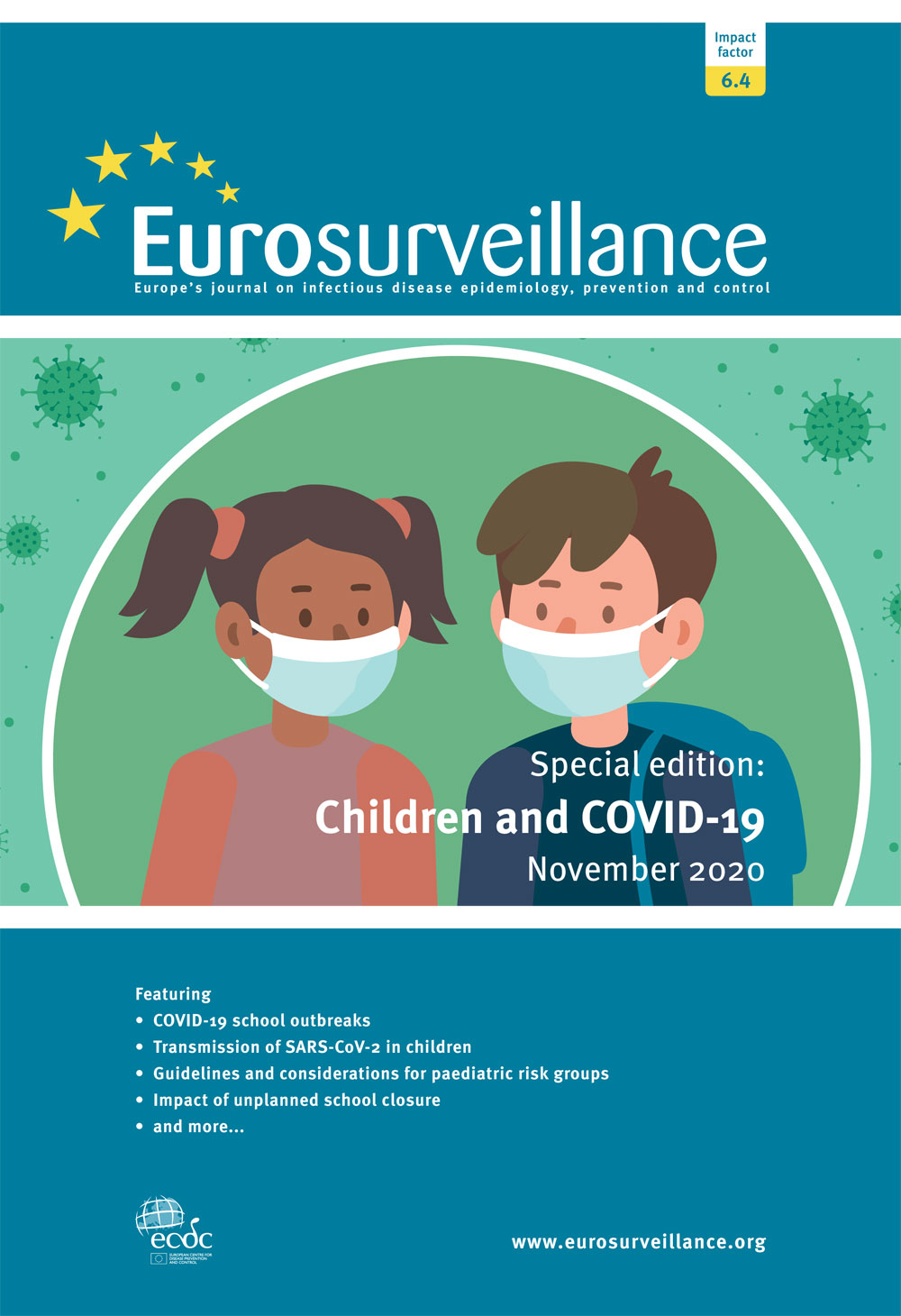
Eurosurveillance is a European peer-reviewed journal focusing on the epidemiology, surveillance, prevention, and control of communicable diseases relevant to Europe.It is a weekly online journal, with 50 issues per year published on Thursdays. The journal includes short rapid communications, in-depth research articles, surveillance reports, reviews, and perspective papers. It excels in timely publication of authoritative papers on ongoing outbreaks or other public health events. Under special circumstances when current events need to be urgently communicated to readers for rapid public health action, e-alerts can be released outside of the regular publishing schedule. Additionally, topical compilations and special issues may be provided in PDF format.




 京公网安备 11010802042870号
京ICP备2023020795号-1
京公网安备 11010802042870号
京ICP备2023020795号-1

 分享
分享
 求助内容:
求助内容: 应助结果提醒方式:
 扫码关注我们
