{"title":"低热量和无热量甜味剂(LNCS)和相关食物来源的尿排泄,德国横断面卡门研究中观察到。","authors":"Ralf Krüger, Bernhard Watzl, Benedikt Merz","doi":"10.1007/s00394-025-03644-7","DOIUrl":null,"url":null,"abstract":"<p><strong>Purpose: </strong>We aimed to quantify urinary excretion of LNCS (Low- and No-Calorie Sweeteners) and to identify LNCS-associated food consumption in Germany, with special emphasis on exposure to combinations of different LNCS.</p><p><strong>Methods: </strong>UPLC-MS/MS was used to quantify LNCS metabolites in 24-hour urine samples of 301 participants from the cross-sectional KarMeN (Karlsruhe Metabolomics and Nutrition) study. Dietary data were assessed via 24 h recall. Spearman rank correlation analysis and multiple linear regression models were used to investigate food groups that contribute to LNCS exposure.</p><p><strong>Results: </strong>Based on the number of samples with quantifiable urinary concentrations and the absolute excretion within a day, cyclamate (88% of samples), saccharin (44%), acesulfame (35%), and aspartame (32%) were most commonly consumed. The consumption of specific food groups, such as table sweeteners, light soft drinks, Radler, protein shakes, and stevia sweeteners, accounted for significant variations in urinary concentrations. Specific combinations of LNCS were observed for these food groups, as well as a considerable exploitation of LNCS-specific ADI (acceptable daily intake).</p><p><strong>Conclusion: </strong>Individuals who consume high amounts of specific LNCS-containing, processed foods are exposed to a notable mix of various LNCS. Since data on associations between mixed LNCS exposure and health are lacking, it is an urgent issue to evaluate the potential risks of consuming combinations of diverse LNCS rather than conducting risk assessments of single LNCS.</p>","PeriodicalId":12030,"journal":{"name":"European Journal of Nutrition","volume":"64 3","pages":"136"},"PeriodicalIF":4.3000,"publicationDate":"2025-03-24","publicationTypes":"Journal Article","fieldsOfStudy":null,"isOpenAccess":false,"openAccessPdf":"https://www.ncbi.nlm.nih.gov/pmc/articles/PMC11933190/pdf/","citationCount":"0","resultStr":"{\"title\":\"Urinary excretion of low- and no-calorie sweeteners (LNCS) and associated food sources, as observed in the German cross-sectional KarMeN-study.\",\"authors\":\"Ralf Krüger, Bernhard Watzl, Benedikt Merz\",\"doi\":\"10.1007/s00394-025-03644-7\",\"DOIUrl\":null,\"url\":null,\"abstract\":\"<p><strong>Purpose: </strong>We aimed to quantify urinary excretion of LNCS (Low- and No-Calorie Sweeteners) and to identify LNCS-associated food consumption in Germany, with special emphasis on exposure to combinations of different LNCS.</p><p><strong>Methods: </strong>UPLC-MS/MS was used to quantify LNCS metabolites in 24-hour urine samples of 301 participants from the cross-sectional KarMeN (Karlsruhe Metabolomics and Nutrition) study. Dietary data were assessed via 24 h recall. Spearman rank correlation analysis and multiple linear regression models were used to investigate food groups that contribute to LNCS exposure.</p><p><strong>Results: </strong>Based on the number of samples with quantifiable urinary concentrations and the absolute excretion within a day, cyclamate (88% of samples), saccharin (44%), acesulfame (35%), and aspartame (32%) were most commonly consumed. The consumption of specific food groups, such as table sweeteners, light soft drinks, Radler, protein shakes, and stevia sweeteners, accounted for significant variations in urinary concentrations. Specific combinations of LNCS were observed for these food groups, as well as a considerable exploitation of LNCS-specific ADI (acceptable daily intake).</p><p><strong>Conclusion: </strong>Individuals who consume high amounts of specific LNCS-containing, processed foods are exposed to a notable mix of various LNCS. Since data on associations between mixed LNCS exposure and health are lacking, it is an urgent issue to evaluate the potential risks of consuming combinations of diverse LNCS rather than conducting risk assessments of single LNCS.</p>\",\"PeriodicalId\":12030,\"journal\":{\"name\":\"European Journal of Nutrition\",\"volume\":\"64 3\",\"pages\":\"136\"},\"PeriodicalIF\":4.3000,\"publicationDate\":\"2025-03-24\",\"publicationTypes\":\"Journal Article\",\"fieldsOfStudy\":null,\"isOpenAccess\":false,\"openAccessPdf\":\"https://www.ncbi.nlm.nih.gov/pmc/articles/PMC11933190/pdf/\",\"citationCount\":\"0\",\"resultStr\":null,\"platform\":\"Semanticscholar\",\"paperid\":null,\"PeriodicalName\":\"European Journal of Nutrition\",\"FirstCategoryId\":\"3\",\"ListUrlMain\":\"https://doi.org/10.1007/s00394-025-03644-7\",\"RegionNum\":2,\"RegionCategory\":\"医学\",\"ArticlePicture\":[],\"TitleCN\":null,\"AbstractTextCN\":null,\"PMCID\":null,\"EPubDate\":\"\",\"PubModel\":\"\",\"JCR\":\"Q2\",\"JCRName\":\"NUTRITION & DIETETICS\",\"Score\":null,\"Total\":0}","platform":"Semanticscholar","paperid":null,"PeriodicalName":"European Journal of Nutrition","FirstCategoryId":"3","ListUrlMain":"https://doi.org/10.1007/s00394-025-03644-7","RegionNum":2,"RegionCategory":"医学","ArticlePicture":[],"TitleCN":null,"AbstractTextCN":null,"PMCID":null,"EPubDate":"","PubModel":"","JCR":"Q2","JCRName":"NUTRITION & DIETETICS","Score":null,"Total":0}
引用次数: 0
摘要
目的:我们旨在量化尿中LNCS(低热量和无热量甜味剂)的排泄,并确定德国与LNCS相关的食品消费,特别强调暴露于不同LNCS的组合。方法:采用UPLC-MS/MS对来自KarMeN (Karlsruhe Metabolomics and Nutrition)横断面研究的301名参与者24小时尿液样本中的LNCS代谢物进行定量分析。通过24 h回忆法评估饮食数据。使用Spearman秩相关分析和多元线性回归模型调查导致LNCS暴露的食物组。结果:根据可量化尿液浓度的样本数量和一天内的绝对排泄量,最常消耗的是甜蜜素(88%)、糖精(44%)、安赛蜜(35%)和阿斯巴甜(32%)。食用特定的食物组,如食用甜味剂、轻软饮料、拉德勒、蛋白奶昔和甜菊糖甜味剂,可以解释尿浓度的显著变化。在这些食物组中观察到LNCS的特定组合,以及大量利用LNCS特定的ADI(可接受的每日摄入量)。结论:食用大量含有特定LNCS的加工食品的个体暴露于各种LNCS的显著混合物中。由于缺乏混合LNCS暴露与健康之间关联的数据,因此评估多种LNCS组合消费的潜在风险而不是对单一LNCS进行风险评估是一个紧迫的问题。
Urinary excretion of low- and no-calorie sweeteners (LNCS) and associated food sources, as observed in the German cross-sectional KarMeN-study.
Purpose: We aimed to quantify urinary excretion of LNCS (Low- and No-Calorie Sweeteners) and to identify LNCS-associated food consumption in Germany, with special emphasis on exposure to combinations of different LNCS.
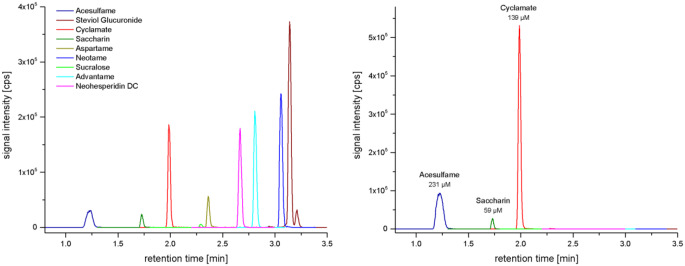
Methods: UPLC-MS/MS was used to quantify LNCS metabolites in 24-hour urine samples of 301 participants from the cross-sectional KarMeN (Karlsruhe Metabolomics and Nutrition) study. Dietary data were assessed via 24 h recall. Spearman rank correlation analysis and multiple linear regression models were used to investigate food groups that contribute to LNCS exposure.
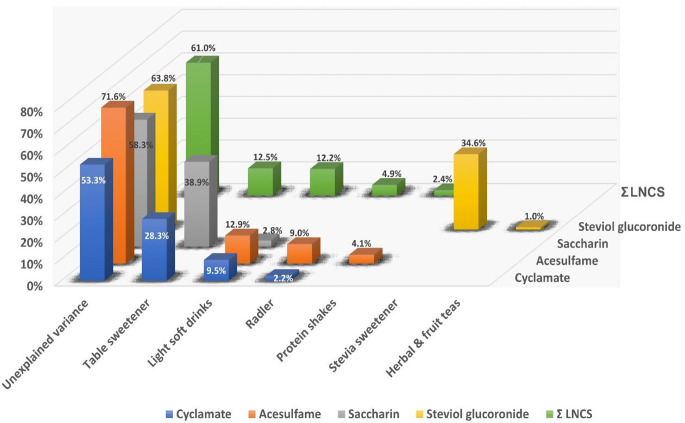
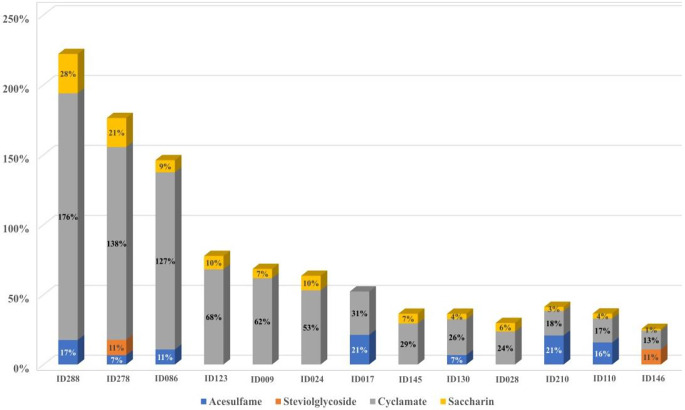
Results: Based on the number of samples with quantifiable urinary concentrations and the absolute excretion within a day, cyclamate (88% of samples), saccharin (44%), acesulfame (35%), and aspartame (32%) were most commonly consumed. The consumption of specific food groups, such as table sweeteners, light soft drinks, Radler, protein shakes, and stevia sweeteners, accounted for significant variations in urinary concentrations. Specific combinations of LNCS were observed for these food groups, as well as a considerable exploitation of LNCS-specific ADI (acceptable daily intake).
Conclusion: Individuals who consume high amounts of specific LNCS-containing, processed foods are exposed to a notable mix of various LNCS. Since data on associations between mixed LNCS exposure and health are lacking, it is an urgent issue to evaluate the potential risks of consuming combinations of diverse LNCS rather than conducting risk assessments of single LNCS.
期刊介绍:
The European Journal of Nutrition publishes original papers, reviews, and short communications in the nutritional sciences. The manuscripts submitted to the European Journal of Nutrition should have their major focus on the impact of nutrients and non-nutrients on
immunology and inflammation,
gene expression,
metabolism,
chronic diseases, or
carcinogenesis,
or a major focus on
epidemiology, including intervention studies with healthy subjects and with patients,
biofunctionality of food and food components, or
the impact of diet on the environment.




 京公网安备 11010802042870号
京ICP备2023020795号-1
京公网安备 11010802042870号
京ICP备2023020795号-1

 分享
分享
 求助内容:
求助内容: 应助结果提醒方式:
 扫码关注我们
