{"title":"新一代宏基因组测序诊断纹状棒状杆菌脑膜炎:病例报告及文献复习。","authors":"Xinran Zhao, Xiaolei Liu, Zhijun Wang, Shaoli Wei, Zelin Wu","doi":"10.1186/s12883-025-04138-z","DOIUrl":null,"url":null,"abstract":"<p><strong>Objective: </strong>To report a case of Corynebacterium striatum meningitis and conduct a comprehensive literature review to determine the clinical presentation, microbiology, and treatment approaches for these patients.</p><p><strong>Materials and methods: </strong>A 75-year-old male patient presented with headache and fever; however, bacterial cultures of cerebrospinal fluid (CSF) yielded negative results. Metagenomic next-generation sequencing (mNGS) of CSF subsequently identified Corynebacterium striatum meningitis as the causative agent for meningitis. A systematic search was performed across various databases encompassing systematic reviews, cohort studies, case series, and case reports involving patients diagnosed with Corynebacterium striatum meningitis regardless of age. Clinical presentation characteristics and the most frequently employed diagnostic technologies were obtained. A narrative summary of the findings is presented.</p><p><strong>Results: </strong>Corynebacterium striatum meningitis patients do not exhibit any specific age or sex predisposition or distinctive symptoms or signs. In patients with Corynebacterium striatum meningitis, CSF tests typically reveal an increased number of white blood cells (predominantly polymorphonuclear cells), elevated protein levels, and decreased glucose levels. Notably, the prevalence of antibiotic-resistant strains of Corynebacterium striatum has increased in recent years, leading to a gradual rise in antibiotic treatment failure rates. It is predicted that by 2030, vancomycin may be the sole effective drug available.</p><p><strong>Conclusion: </strong>The possibility of Corynebacterium striatum infection should be considered during clinical diagnosis and laboratory testing procedures for bacterial meningitis. mNGS can serve as a supplementary gold standard in the diagnosis of bacterial meningitis, effectively enhancing the detection rate of rare pathogens.</p>","PeriodicalId":9170,"journal":{"name":"BMC Neurology","volume":"25 1","pages":"127"},"PeriodicalIF":2.2000,"publicationDate":"2025-03-26","publicationTypes":"Journal Article","fieldsOfStudy":null,"isOpenAccess":false,"openAccessPdf":"https://www.ncbi.nlm.nih.gov/pmc/articles/PMC11938648/pdf/","citationCount":"0","resultStr":"{\"title\":\"Metagenomic next-generation sequencing for the diagnosis of Corynebacterium striatum meningitis: case report and literature review.\",\"authors\":\"Xinran Zhao, Xiaolei Liu, Zhijun Wang, Shaoli Wei, Zelin Wu\",\"doi\":\"10.1186/s12883-025-04138-z\",\"DOIUrl\":null,\"url\":null,\"abstract\":\"<p><strong>Objective: </strong>To report a case of Corynebacterium striatum meningitis and conduct a comprehensive literature review to determine the clinical presentation, microbiology, and treatment approaches for these patients.</p><p><strong>Materials and methods: </strong>A 75-year-old male patient presented with headache and fever; however, bacterial cultures of cerebrospinal fluid (CSF) yielded negative results. Metagenomic next-generation sequencing (mNGS) of CSF subsequently identified Corynebacterium striatum meningitis as the causative agent for meningitis. A systematic search was performed across various databases encompassing systematic reviews, cohort studies, case series, and case reports involving patients diagnosed with Corynebacterium striatum meningitis regardless of age. Clinical presentation characteristics and the most frequently employed diagnostic technologies were obtained. A narrative summary of the findings is presented.</p><p><strong>Results: </strong>Corynebacterium striatum meningitis patients do not exhibit any specific age or sex predisposition or distinctive symptoms or signs. In patients with Corynebacterium striatum meningitis, CSF tests typically reveal an increased number of white blood cells (predominantly polymorphonuclear cells), elevated protein levels, and decreased glucose levels. Notably, the prevalence of antibiotic-resistant strains of Corynebacterium striatum has increased in recent years, leading to a gradual rise in antibiotic treatment failure rates. It is predicted that by 2030, vancomycin may be the sole effective drug available.</p><p><strong>Conclusion: </strong>The possibility of Corynebacterium striatum infection should be considered during clinical diagnosis and laboratory testing procedures for bacterial meningitis. mNGS can serve as a supplementary gold standard in the diagnosis of bacterial meningitis, effectively enhancing the detection rate of rare pathogens.</p>\",\"PeriodicalId\":9170,\"journal\":{\"name\":\"BMC Neurology\",\"volume\":\"25 1\",\"pages\":\"127\"},\"PeriodicalIF\":2.2000,\"publicationDate\":\"2025-03-26\",\"publicationTypes\":\"Journal Article\",\"fieldsOfStudy\":null,\"isOpenAccess\":false,\"openAccessPdf\":\"https://www.ncbi.nlm.nih.gov/pmc/articles/PMC11938648/pdf/\",\"citationCount\":\"0\",\"resultStr\":null,\"platform\":\"Semanticscholar\",\"paperid\":null,\"PeriodicalName\":\"BMC Neurology\",\"FirstCategoryId\":\"3\",\"ListUrlMain\":\"https://doi.org/10.1186/s12883-025-04138-z\",\"RegionNum\":3,\"RegionCategory\":\"医学\",\"ArticlePicture\":[],\"TitleCN\":null,\"AbstractTextCN\":null,\"PMCID\":null,\"EPubDate\":\"\",\"PubModel\":\"\",\"JCR\":\"Q3\",\"JCRName\":\"CLINICAL NEUROLOGY\",\"Score\":null,\"Total\":0}","platform":"Semanticscholar","paperid":null,"PeriodicalName":"BMC Neurology","FirstCategoryId":"3","ListUrlMain":"https://doi.org/10.1186/s12883-025-04138-z","RegionNum":3,"RegionCategory":"医学","ArticlePicture":[],"TitleCN":null,"AbstractTextCN":null,"PMCID":null,"EPubDate":"","PubModel":"","JCR":"Q3","JCRName":"CLINICAL NEUROLOGY","Score":null,"Total":0}
Metagenomic next-generation sequencing for the diagnosis of Corynebacterium striatum meningitis: case report and literature review.
Objective: To report a case of Corynebacterium striatum meningitis and conduct a comprehensive literature review to determine the clinical presentation, microbiology, and treatment approaches for these patients.
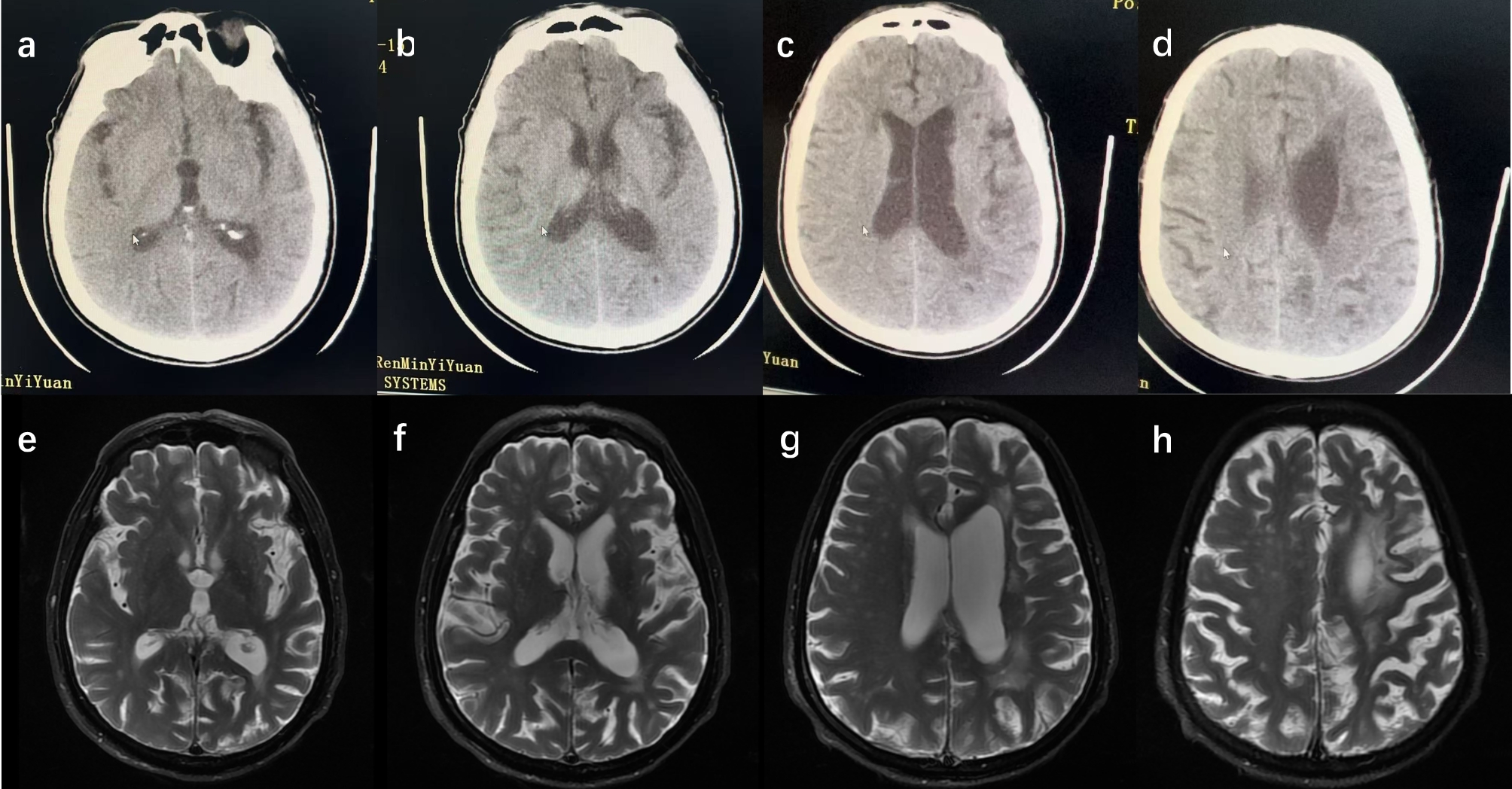
Materials and methods: A 75-year-old male patient presented with headache and fever; however, bacterial cultures of cerebrospinal fluid (CSF) yielded negative results. Metagenomic next-generation sequencing (mNGS) of CSF subsequently identified Corynebacterium striatum meningitis as the causative agent for meningitis. A systematic search was performed across various databases encompassing systematic reviews, cohort studies, case series, and case reports involving patients diagnosed with Corynebacterium striatum meningitis regardless of age. Clinical presentation characteristics and the most frequently employed diagnostic technologies were obtained. A narrative summary of the findings is presented.
Results: Corynebacterium striatum meningitis patients do not exhibit any specific age or sex predisposition or distinctive symptoms or signs. In patients with Corynebacterium striatum meningitis, CSF tests typically reveal an increased number of white blood cells (predominantly polymorphonuclear cells), elevated protein levels, and decreased glucose levels. Notably, the prevalence of antibiotic-resistant strains of Corynebacterium striatum has increased in recent years, leading to a gradual rise in antibiotic treatment failure rates. It is predicted that by 2030, vancomycin may be the sole effective drug available.
Conclusion: The possibility of Corynebacterium striatum infection should be considered during clinical diagnosis and laboratory testing procedures for bacterial meningitis. mNGS can serve as a supplementary gold standard in the diagnosis of bacterial meningitis, effectively enhancing the detection rate of rare pathogens.
期刊介绍:
BMC Neurology is an open access, peer-reviewed journal that considers articles on all aspects of the prevention, diagnosis and management of neurological disorders, as well as related molecular genetics, pathophysiology, and epidemiology.




 京公网安备 11010802042870号
京ICP备2023020795号-1
京公网安备 11010802042870号
京ICP备2023020795号-1

 分享
分享
 求助内容:
求助内容: 应助结果提醒方式:
 扫码关注我们
