{"title":"小学垒球运动员腰痛与下肢柔韧性有限的关系:一项横断面研究。","authors":"Suzuno Endo, Kinshi Kato, Kenichi Otoshi, Yota Kaneko, Ryoji Tominaga, Takahiro Kaga, Takahiro Igari, Ryohei Sato, Kenji Kobayashi, Shin-Ichi Konno, Yoshihiro Matsumoto","doi":"10.1186/s13102-025-01106-5","DOIUrl":null,"url":null,"abstract":"<p><strong>Background: </strong>Limited lower-extremity flexibility has long been debated as a physical risk factor contributing to low back pain in various populations. However, its impact on younger populations, particularly elementary school-aged softball players, remains unclear. This study aimed to explore the relationship between limited lower-extremity flexibility (iliopsoas, hamstrings, and quadriceps femoris) and low back pain in elementary school-aged softball players.</p><p><strong>Methods: </strong>This cross-sectional study included 521 elementary school-aged softball players (469 males and 52 females; mean age, 10.7 years) who participated in annual medical evaluations from 2017 to 2019. Lower-extremity flexibility was assessed once during annual medical evaluations using the Thomas test for the iliopsoas, straight-leg-raise test for the hamstrings, and heel-to-buttock-distance test for the quadriceps. Additionally, low back pain during the previous season was evaluated through self-administered questionnaires distributed to participants and collected during medical check-ups. The prevalence of low back pain and its association with lower-extremity flexibility were investigated using univariate and multivariable analyses. In multivariable analysis, age, position, body mass index, and total practice time per week were included as explanatory factors.</p><p><strong>Results: </strong>Overall, 16.9% (88/521) of the players experienced low back pain that required rest during the previous year. After adjustment for confounding factors (age, position, body mass index, and total practice time per week) with a logistic regression model, low back pain showed a significant association with quadriceps muscle tightness (odds ratio: 3.15, 95% confidence interval: 1.51-6.56, P = .002).</p><p><strong>Conclusion: </strong>Quadriceps femoris tightness may be a significant risk factor for low back pain in elementary school-aged softball players. These findings underscore the importance of assessing quadriceps femoris tightness to prevent low back pain in elementary school-aged softball players.</p><p><strong>Trial registrations: </strong>Not applicable.</p>","PeriodicalId":48585,"journal":{"name":"BMC Sports Science Medicine and Rehabilitation","volume":"17 1","pages":"62"},"PeriodicalIF":3.4000,"publicationDate":"2025-03-27","publicationTypes":"Journal Article","fieldsOfStudy":null,"isOpenAccess":false,"openAccessPdf":"https://www.ncbi.nlm.nih.gov/pmc/articles/PMC11948980/pdf/","citationCount":"0","resultStr":"{\"title\":\"Association between low back pain and limited lower-extremity flexibility in elementary school-aged softball players: a cross-sectional study.\",\"authors\":\"Suzuno Endo, Kinshi Kato, Kenichi Otoshi, Yota Kaneko, Ryoji Tominaga, Takahiro Kaga, Takahiro Igari, Ryohei Sato, Kenji Kobayashi, Shin-Ichi Konno, Yoshihiro Matsumoto\",\"doi\":\"10.1186/s13102-025-01106-5\",\"DOIUrl\":null,\"url\":null,\"abstract\":\"<p><strong>Background: </strong>Limited lower-extremity flexibility has long been debated as a physical risk factor contributing to low back pain in various populations. However, its impact on younger populations, particularly elementary school-aged softball players, remains unclear. This study aimed to explore the relationship between limited lower-extremity flexibility (iliopsoas, hamstrings, and quadriceps femoris) and low back pain in elementary school-aged softball players.</p><p><strong>Methods: </strong>This cross-sectional study included 521 elementary school-aged softball players (469 males and 52 females; mean age, 10.7 years) who participated in annual medical evaluations from 2017 to 2019. Lower-extremity flexibility was assessed once during annual medical evaluations using the Thomas test for the iliopsoas, straight-leg-raise test for the hamstrings, and heel-to-buttock-distance test for the quadriceps. Additionally, low back pain during the previous season was evaluated through self-administered questionnaires distributed to participants and collected during medical check-ups. The prevalence of low back pain and its association with lower-extremity flexibility were investigated using univariate and multivariable analyses. In multivariable analysis, age, position, body mass index, and total practice time per week were included as explanatory factors.</p><p><strong>Results: </strong>Overall, 16.9% (88/521) of the players experienced low back pain that required rest during the previous year. After adjustment for confounding factors (age, position, body mass index, and total practice time per week) with a logistic regression model, low back pain showed a significant association with quadriceps muscle tightness (odds ratio: 3.15, 95% confidence interval: 1.51-6.56, P = .002).</p><p><strong>Conclusion: </strong>Quadriceps femoris tightness may be a significant risk factor for low back pain in elementary school-aged softball players. These findings underscore the importance of assessing quadriceps femoris tightness to prevent low back pain in elementary school-aged softball players.</p><p><strong>Trial registrations: </strong>Not applicable.</p>\",\"PeriodicalId\":48585,\"journal\":{\"name\":\"BMC Sports Science Medicine and Rehabilitation\",\"volume\":\"17 1\",\"pages\":\"62\"},\"PeriodicalIF\":3.4000,\"publicationDate\":\"2025-03-27\",\"publicationTypes\":\"Journal Article\",\"fieldsOfStudy\":null,\"isOpenAccess\":false,\"openAccessPdf\":\"https://www.ncbi.nlm.nih.gov/pmc/articles/PMC11948980/pdf/\",\"citationCount\":\"0\",\"resultStr\":null,\"platform\":\"Semanticscholar\",\"paperid\":null,\"PeriodicalName\":\"BMC Sports Science Medicine and Rehabilitation\",\"FirstCategoryId\":\"3\",\"ListUrlMain\":\"https://doi.org/10.1186/s13102-025-01106-5\",\"RegionNum\":3,\"RegionCategory\":\"医学\",\"ArticlePicture\":[],\"TitleCN\":null,\"AbstractTextCN\":null,\"PMCID\":null,\"EPubDate\":\"\",\"PubModel\":\"\",\"JCR\":\"Q1\",\"JCRName\":\"REHABILITATION\",\"Score\":null,\"Total\":0}","platform":"Semanticscholar","paperid":null,"PeriodicalName":"BMC Sports Science Medicine and Rehabilitation","FirstCategoryId":"3","ListUrlMain":"https://doi.org/10.1186/s13102-025-01106-5","RegionNum":3,"RegionCategory":"医学","ArticlePicture":[],"TitleCN":null,"AbstractTextCN":null,"PMCID":null,"EPubDate":"","PubModel":"","JCR":"Q1","JCRName":"REHABILITATION","Score":null,"Total":0}
Association between low back pain and limited lower-extremity flexibility in elementary school-aged softball players: a cross-sectional study.
Background: Limited lower-extremity flexibility has long been debated as a physical risk factor contributing to low back pain in various populations. However, its impact on younger populations, particularly elementary school-aged softball players, remains unclear. This study aimed to explore the relationship between limited lower-extremity flexibility (iliopsoas, hamstrings, and quadriceps femoris) and low back pain in elementary school-aged softball players.
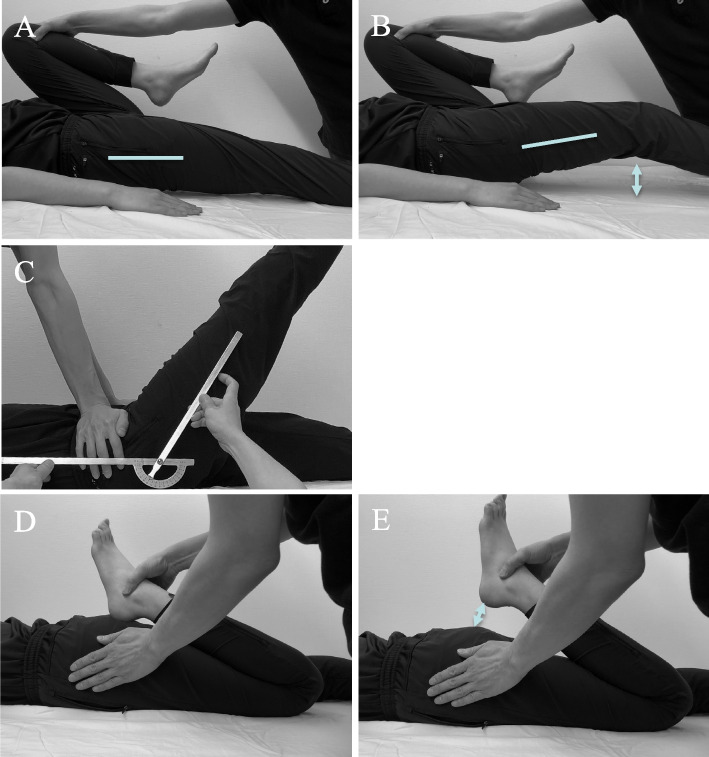
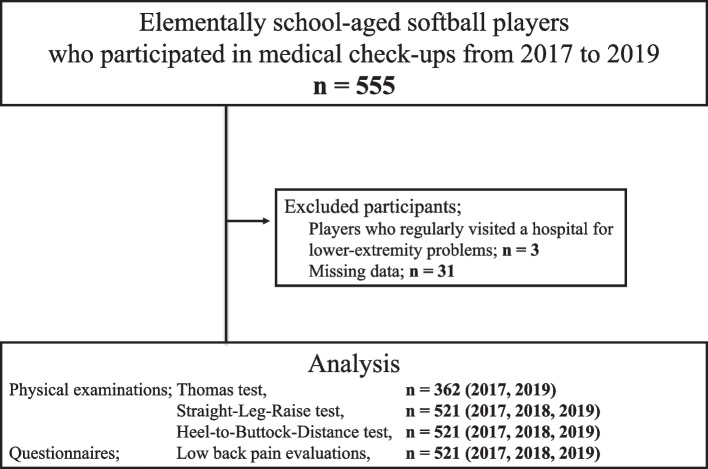
Methods: This cross-sectional study included 521 elementary school-aged softball players (469 males and 52 females; mean age, 10.7 years) who participated in annual medical evaluations from 2017 to 2019. Lower-extremity flexibility was assessed once during annual medical evaluations using the Thomas test for the iliopsoas, straight-leg-raise test for the hamstrings, and heel-to-buttock-distance test for the quadriceps. Additionally, low back pain during the previous season was evaluated through self-administered questionnaires distributed to participants and collected during medical check-ups. The prevalence of low back pain and its association with lower-extremity flexibility were investigated using univariate and multivariable analyses. In multivariable analysis, age, position, body mass index, and total practice time per week were included as explanatory factors.
Results: Overall, 16.9% (88/521) of the players experienced low back pain that required rest during the previous year. After adjustment for confounding factors (age, position, body mass index, and total practice time per week) with a logistic regression model, low back pain showed a significant association with quadriceps muscle tightness (odds ratio: 3.15, 95% confidence interval: 1.51-6.56, P = .002).
Conclusion: Quadriceps femoris tightness may be a significant risk factor for low back pain in elementary school-aged softball players. These findings underscore the importance of assessing quadriceps femoris tightness to prevent low back pain in elementary school-aged softball players.
期刊介绍:
BMC Sports Science, Medicine and Rehabilitation is an open access, peer reviewed journal that considers articles on all aspects of sports medicine and the exercise sciences, including rehabilitation, traumatology, cardiology, physiology, and nutrition.





 京公网安备 11010802042870号
京ICP备2023020795号-1
京公网安备 11010802042870号
京ICP备2023020795号-1

 分享
分享
 求助内容:
求助内容: 应助结果提醒方式:
 扫码关注我们
