{"title":"水电池有机电极的自放电和容量损失机理","authors":"Idan Karev , Amey Nimkar , Netanel Shpigel , Daniel Sharon","doi":"10.1016/j.ensm.2025.104215","DOIUrl":null,"url":null,"abstract":"<div><div>The stability of electrode materials in aqueous environments presents a significant challenge for the long-term performance of energy storage systems, particularly when operating at potentials that promote water electrolysis. Many electrode materials undergo spontaneous self-discharge, resulting in a gradual loss of stored charge. While previous studies have shown that metallic and inorganic electrodes in aqueous solutions can experience significant self-discharge, much less is known about this phenomenon in organic electrodes. To bridge this gap, this study investigates the self-discharge behavior of polyimide (PI)-based electrodes, focusing on 1,4,5,8-naphthalenetetracarboxylic dianhydride-derived polyimide (PNTCDA) in aqueous electrolyte solutions. Through a systematic evaluation of charge loss, we demonstrate that while water reduction primarily drives reversible self-discharge, it also indirectly contributes to irreversible capacity loss by generating reactive species and conditions that accelerate the hydrolytic degradation of the polymeric structure. These processes are particularly pronounced when the anode material is in its electrochemically reduced state at low potentials. Comparisons with nonaqueous systems reveal that even small amounts of water can significantly accelerate capacity loss, underscoring the susceptibility of organic-based electrodes to instability when operating within potential windows where water is reduced. These findings highlight the critical need for strategies to mitigate both reversible self-discharge and irreversible degradation processes in aqueous battery systems.</div></div>","PeriodicalId":306,"journal":{"name":"Energy Storage Materials","volume":"77 ","pages":"Article 104215"},"PeriodicalIF":20.2000,"publicationDate":"2025-04-01","publicationTypes":"Journal Article","fieldsOfStudy":null,"isOpenAccess":false,"openAccessPdf":"","citationCount":"0","resultStr":"{\"title\":\"Mechanisms of self-discharge and capacity loss in organic electrodes for aqueous batteries\",\"authors\":\"Idan Karev , Amey Nimkar , Netanel Shpigel , Daniel Sharon\",\"doi\":\"10.1016/j.ensm.2025.104215\",\"DOIUrl\":null,\"url\":null,\"abstract\":\"<div><div>The stability of electrode materials in aqueous environments presents a significant challenge for the long-term performance of energy storage systems, particularly when operating at potentials that promote water electrolysis. Many electrode materials undergo spontaneous self-discharge, resulting in a gradual loss of stored charge. While previous studies have shown that metallic and inorganic electrodes in aqueous solutions can experience significant self-discharge, much less is known about this phenomenon in organic electrodes. To bridge this gap, this study investigates the self-discharge behavior of polyimide (PI)-based electrodes, focusing on 1,4,5,8-naphthalenetetracarboxylic dianhydride-derived polyimide (PNTCDA) in aqueous electrolyte solutions. Through a systematic evaluation of charge loss, we demonstrate that while water reduction primarily drives reversible self-discharge, it also indirectly contributes to irreversible capacity loss by generating reactive species and conditions that accelerate the hydrolytic degradation of the polymeric structure. These processes are particularly pronounced when the anode material is in its electrochemically reduced state at low potentials. Comparisons with nonaqueous systems reveal that even small amounts of water can significantly accelerate capacity loss, underscoring the susceptibility of organic-based electrodes to instability when operating within potential windows where water is reduced. These findings highlight the critical need for strategies to mitigate both reversible self-discharge and irreversible degradation processes in aqueous battery systems.</div></div>\",\"PeriodicalId\":306,\"journal\":{\"name\":\"Energy Storage Materials\",\"volume\":\"77 \",\"pages\":\"Article 104215\"},\"PeriodicalIF\":20.2000,\"publicationDate\":\"2025-04-01\",\"publicationTypes\":\"Journal Article\",\"fieldsOfStudy\":null,\"isOpenAccess\":false,\"openAccessPdf\":\"\",\"citationCount\":\"0\",\"resultStr\":null,\"platform\":\"Semanticscholar\",\"paperid\":null,\"PeriodicalName\":\"Energy Storage Materials\",\"FirstCategoryId\":\"88\",\"ListUrlMain\":\"https://www.sciencedirect.com/science/article/pii/S2405829725002156\",\"RegionNum\":1,\"RegionCategory\":\"材料科学\",\"ArticlePicture\":[],\"TitleCN\":null,\"AbstractTextCN\":null,\"PMCID\":null,\"EPubDate\":\"2025/3/28 0:00:00\",\"PubModel\":\"Epub\",\"JCR\":\"Q1\",\"JCRName\":\"CHEMISTRY, PHYSICAL\",\"Score\":null,\"Total\":0}","platform":"Semanticscholar","paperid":null,"PeriodicalName":"Energy Storage Materials","FirstCategoryId":"88","ListUrlMain":"https://www.sciencedirect.com/science/article/pii/S2405829725002156","RegionNum":1,"RegionCategory":"材料科学","ArticlePicture":[],"TitleCN":null,"AbstractTextCN":null,"PMCID":null,"EPubDate":"2025/3/28 0:00:00","PubModel":"Epub","JCR":"Q1","JCRName":"CHEMISTRY, PHYSICAL","Score":null,"Total":0}
Mechanisms of self-discharge and capacity loss in organic electrodes for aqueous batteries
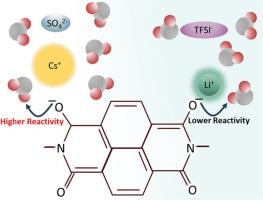
The stability of electrode materials in aqueous environments presents a significant challenge for the long-term performance of energy storage systems, particularly when operating at potentials that promote water electrolysis. Many electrode materials undergo spontaneous self-discharge, resulting in a gradual loss of stored charge. While previous studies have shown that metallic and inorganic electrodes in aqueous solutions can experience significant self-discharge, much less is known about this phenomenon in organic electrodes. To bridge this gap, this study investigates the self-discharge behavior of polyimide (PI)-based electrodes, focusing on 1,4,5,8-naphthalenetetracarboxylic dianhydride-derived polyimide (PNTCDA) in aqueous electrolyte solutions. Through a systematic evaluation of charge loss, we demonstrate that while water reduction primarily drives reversible self-discharge, it also indirectly contributes to irreversible capacity loss by generating reactive species and conditions that accelerate the hydrolytic degradation of the polymeric structure. These processes are particularly pronounced when the anode material is in its electrochemically reduced state at low potentials. Comparisons with nonaqueous systems reveal that even small amounts of water can significantly accelerate capacity loss, underscoring the susceptibility of organic-based electrodes to instability when operating within potential windows where water is reduced. These findings highlight the critical need for strategies to mitigate both reversible self-discharge and irreversible degradation processes in aqueous battery systems.
期刊介绍:
Energy Storage Materials is a global interdisciplinary journal dedicated to sharing scientific and technological advancements in materials and devices for advanced energy storage and related energy conversion, such as in metal-O2 batteries. The journal features comprehensive research articles, including full papers and short communications, as well as authoritative feature articles and reviews by leading experts in the field.
Energy Storage Materials covers a wide range of topics, including the synthesis, fabrication, structure, properties, performance, and technological applications of energy storage materials. Additionally, the journal explores strategies, policies, and developments in the field of energy storage materials and devices for sustainable energy.
Published papers are selected based on their scientific and technological significance, their ability to provide valuable new knowledge, and their relevance to the international research community.




 京公网安备 11010802042870号
京ICP备2023020795号-1
京公网安备 11010802042870号
京ICP备2023020795号-1

 分享
分享
 求助内容:
求助内容: 应助结果提醒方式:
 扫码关注我们
