Josefa Raianne de Farias Gonçalves, Kamila Marques Pedrosa, Maiara Bezerra Ramos, Stefanny Martins de Souza, Sergio de Faria Lopes
{"title":"巴西卡廷加地区当地居民在民族兽医学中对药用植物的使用和效用冗余。","authors":"Josefa Raianne de Farias Gonçalves, Kamila Marques Pedrosa, Maiara Bezerra Ramos, Stefanny Martins de Souza, Sergio de Faria Lopes","doi":"10.1186/s13002-025-00762-8","DOIUrl":null,"url":null,"abstract":"<p><strong>Background: </strong>The predominance of agropastoral activities in the Brazilian semiarid region is an important factor for human populations to continue using medicinal plants in ethnoveterinary medicine. Thus, we sought to document the Caatinga plants known for treating diseases in ethnoveterinary medicine and to evaluate the useful redundancy of diseases indicated by local populations in the Cariris Velhos region, state of Paraíba, in the Brazilian semiarid region.</p><p><strong>Methods: </strong>Questionnaires with semi-structured forms were applied in rural communities in the Brazilian Caatinga region. A total of 120 people were interviewed using the snowball technique.</p><p><strong>Results: </strong>Fabaceae, Euphorbiaceae and Rubiaceae were the families that obtained the highest number of citations. Heliotropium indicum was the species most cited by the local population. The stem bark and the leaves were the most cited parts used of the plants. Using the bark juice was the most prominent method in preparing the medicinal remedies. The disease which presented the greatest degree of utility redundancy was inflammation and the one with the least redundancy was fracture.</p><p><strong>Conclusion: </strong>A study on the use of medicinal plants by ethnoveterinary medicine in a region with a high incidence of agricultural and pastoral activities helps to preserve living knowledge.</p>","PeriodicalId":49162,"journal":{"name":"Journal of Ethnobiology and Ethnomedicine","volume":"21 1","pages":"22"},"PeriodicalIF":5.1000,"publicationDate":"2025-04-03","publicationTypes":"Journal Article","fieldsOfStudy":null,"isOpenAccess":false,"openAccessPdf":"https://www.ncbi.nlm.nih.gov/pmc/articles/PMC11969742/pdf/","citationCount":"0","resultStr":"{\"title\":\"Use and utility redundancy of medicinal plants in ethnoveterinary medicine by local populations of the Brazilian Caatinga.\",\"authors\":\"Josefa Raianne de Farias Gonçalves, Kamila Marques Pedrosa, Maiara Bezerra Ramos, Stefanny Martins de Souza, Sergio de Faria Lopes\",\"doi\":\"10.1186/s13002-025-00762-8\",\"DOIUrl\":null,\"url\":null,\"abstract\":\"<p><strong>Background: </strong>The predominance of agropastoral activities in the Brazilian semiarid region is an important factor for human populations to continue using medicinal plants in ethnoveterinary medicine. Thus, we sought to document the Caatinga plants known for treating diseases in ethnoveterinary medicine and to evaluate the useful redundancy of diseases indicated by local populations in the Cariris Velhos region, state of Paraíba, in the Brazilian semiarid region.</p><p><strong>Methods: </strong>Questionnaires with semi-structured forms were applied in rural communities in the Brazilian Caatinga region. A total of 120 people were interviewed using the snowball technique.</p><p><strong>Results: </strong>Fabaceae, Euphorbiaceae and Rubiaceae were the families that obtained the highest number of citations. Heliotropium indicum was the species most cited by the local population. The stem bark and the leaves were the most cited parts used of the plants. Using the bark juice was the most prominent method in preparing the medicinal remedies. The disease which presented the greatest degree of utility redundancy was inflammation and the one with the least redundancy was fracture.</p><p><strong>Conclusion: </strong>A study on the use of medicinal plants by ethnoveterinary medicine in a region with a high incidence of agricultural and pastoral activities helps to preserve living knowledge.</p>\",\"PeriodicalId\":49162,\"journal\":{\"name\":\"Journal of Ethnobiology and Ethnomedicine\",\"volume\":\"21 1\",\"pages\":\"22\"},\"PeriodicalIF\":5.1000,\"publicationDate\":\"2025-04-03\",\"publicationTypes\":\"Journal Article\",\"fieldsOfStudy\":null,\"isOpenAccess\":false,\"openAccessPdf\":\"https://www.ncbi.nlm.nih.gov/pmc/articles/PMC11969742/pdf/\",\"citationCount\":\"0\",\"resultStr\":null,\"platform\":\"Semanticscholar\",\"paperid\":null,\"PeriodicalName\":\"Journal of Ethnobiology and Ethnomedicine\",\"FirstCategoryId\":\"3\",\"ListUrlMain\":\"https://doi.org/10.1186/s13002-025-00762-8\",\"RegionNum\":2,\"RegionCategory\":\"医学\",\"ArticlePicture\":[],\"TitleCN\":null,\"AbstractTextCN\":null,\"PMCID\":null,\"EPubDate\":\"\",\"PubModel\":\"\",\"JCR\":\"Q1\",\"JCRName\":\"BIODIVERSITY CONSERVATION\",\"Score\":null,\"Total\":0}","platform":"Semanticscholar","paperid":null,"PeriodicalName":"Journal of Ethnobiology and Ethnomedicine","FirstCategoryId":"3","ListUrlMain":"https://doi.org/10.1186/s13002-025-00762-8","RegionNum":2,"RegionCategory":"医学","ArticlePicture":[],"TitleCN":null,"AbstractTextCN":null,"PMCID":null,"EPubDate":"","PubModel":"","JCR":"Q1","JCRName":"BIODIVERSITY CONSERVATION","Score":null,"Total":0}
Use and utility redundancy of medicinal plants in ethnoveterinary medicine by local populations of the Brazilian Caatinga.
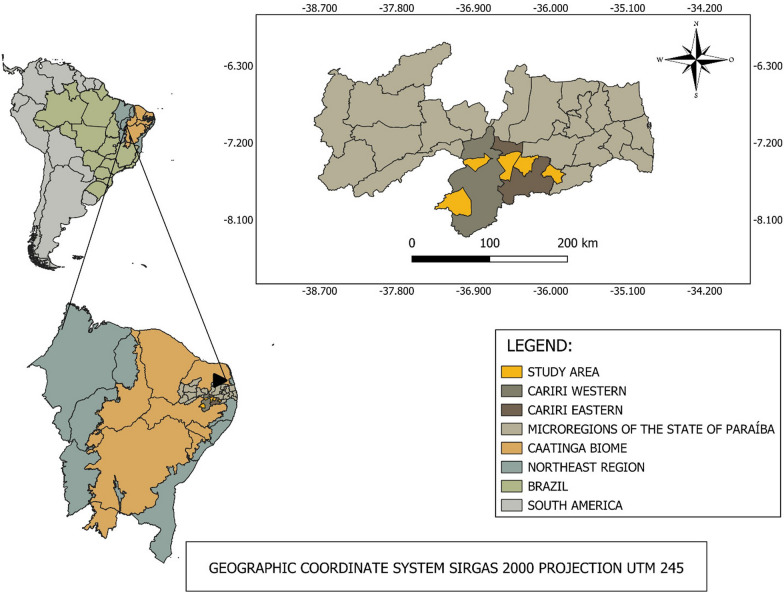
Background: The predominance of agropastoral activities in the Brazilian semiarid region is an important factor for human populations to continue using medicinal plants in ethnoveterinary medicine. Thus, we sought to document the Caatinga plants known for treating diseases in ethnoveterinary medicine and to evaluate the useful redundancy of diseases indicated by local populations in the Cariris Velhos region, state of Paraíba, in the Brazilian semiarid region.
Methods: Questionnaires with semi-structured forms were applied in rural communities in the Brazilian Caatinga region. A total of 120 people were interviewed using the snowball technique.
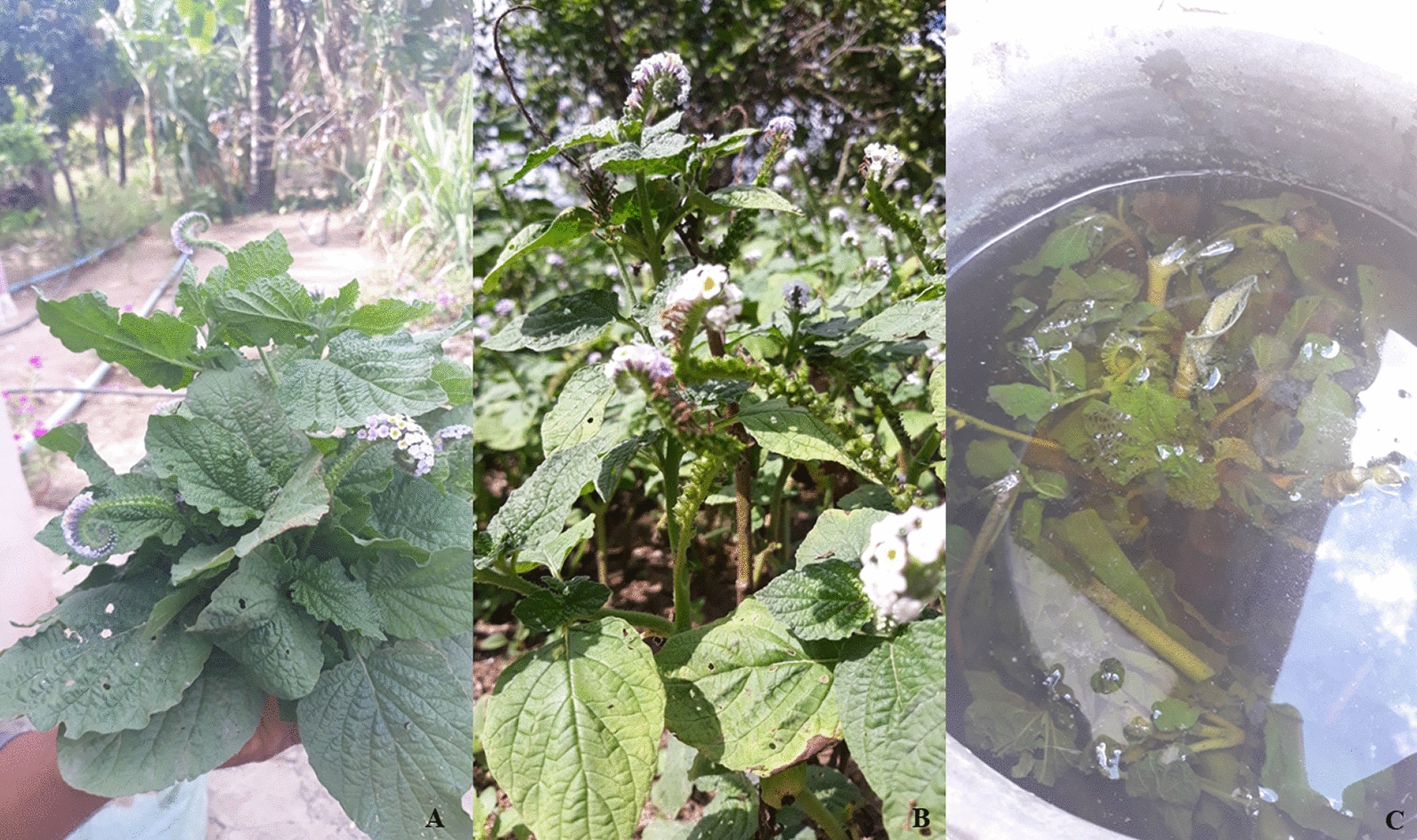
Results: Fabaceae, Euphorbiaceae and Rubiaceae were the families that obtained the highest number of citations. Heliotropium indicum was the species most cited by the local population. The stem bark and the leaves were the most cited parts used of the plants. Using the bark juice was the most prominent method in preparing the medicinal remedies. The disease which presented the greatest degree of utility redundancy was inflammation and the one with the least redundancy was fracture.
Conclusion: A study on the use of medicinal plants by ethnoveterinary medicine in a region with a high incidence of agricultural and pastoral activities helps to preserve living knowledge.
期刊介绍:
Journal of Ethnobiology and Ethnomedicine publishes original research focusing on cultural perceptions of nature and of human and animal health. Journal of Ethnobiology and Ethnomedicine invites research articles, reviews and commentaries concerning the investigations of the inextricable links between human societies and nature, food, and health. Specifically, the journal covers the following topics: ethnobotany, ethnomycology, ethnozoology, ethnoecology (including ethnopedology), ethnogastronomy, ethnomedicine, ethnoveterinary, as well as all related areas in environmental, nutritional, and medical anthropology.
Research focusing on the implications that the inclusion of humanistic, cultural, and social dimensions have in understanding the biological word is also welcome, as well as its potential projections in public health-centred, nutritional, and environmental policies.




 京公网安备 11010802042870号
京ICP备2023020795号-1
京公网安备 11010802042870号
京ICP备2023020795号-1

 分享
分享
 求助内容:
求助内容: 应助结果提醒方式:
 扫码关注我们
