Hakwon Yoon, Jaehwan Kim, Eun-Ju Kim and Yoon-Seok Chang
{"title":"纳米级零价铁对微生物环境影响研究的未来十年","authors":"Hakwon Yoon, Jaehwan Kim, Eun-Ju Kim and Yoon-Seok Chang","doi":"10.1039/D4EN01226G","DOIUrl":null,"url":null,"abstract":"<p >Nanoscale zerovalent iron (NZVI) is among the most widely used nanomaterials in environmental applications. With such an increased use of NZVI, there is a need to understand its potential impact on microorganisms, vital components of various ecosystems. Significant progress has been made in elucidating the molecular mechanisms underlying NZVI toxicity in model bacteria, while recent research has shifted toward evaluating its long-term impacts on environmental microbial systems. Herein, we first revisit a range of studies on NZVI–single microorganism interactions under aerobic and anaerobic conditions in an effort to make general conclusions regarding the NZVI toxicity mechanism at the cellular level. Additionally, a comprehensive overview is provided on the effects of NZVI on complex bacterial consortia in natural aquatic and soil environments, as well as in wastewater treatment systems. Finally, we discuss future research directions for sustainable and environmentally friendly application of NZVI.</p>","PeriodicalId":73,"journal":{"name":"Environmental Science: Nano","volume":" 5","pages":" 2507-2515"},"PeriodicalIF":5.1000,"publicationDate":"2025-04-09","publicationTypes":"Journal Article","fieldsOfStudy":null,"isOpenAccess":false,"openAccessPdf":"","citationCount":"0","resultStr":"{\"title\":\"Towards the next decade for research on the environmental impact of nanoscale zerovalent iron on microorganisms\",\"authors\":\"Hakwon Yoon, Jaehwan Kim, Eun-Ju Kim and Yoon-Seok Chang\",\"doi\":\"10.1039/D4EN01226G\",\"DOIUrl\":null,\"url\":null,\"abstract\":\"<p >Nanoscale zerovalent iron (NZVI) is among the most widely used nanomaterials in environmental applications. With such an increased use of NZVI, there is a need to understand its potential impact on microorganisms, vital components of various ecosystems. Significant progress has been made in elucidating the molecular mechanisms underlying NZVI toxicity in model bacteria, while recent research has shifted toward evaluating its long-term impacts on environmental microbial systems. Herein, we first revisit a range of studies on NZVI–single microorganism interactions under aerobic and anaerobic conditions in an effort to make general conclusions regarding the NZVI toxicity mechanism at the cellular level. Additionally, a comprehensive overview is provided on the effects of NZVI on complex bacterial consortia in natural aquatic and soil environments, as well as in wastewater treatment systems. Finally, we discuss future research directions for sustainable and environmentally friendly application of NZVI.</p>\",\"PeriodicalId\":73,\"journal\":{\"name\":\"Environmental Science: Nano\",\"volume\":\" 5\",\"pages\":\" 2507-2515\"},\"PeriodicalIF\":5.1000,\"publicationDate\":\"2025-04-09\",\"publicationTypes\":\"Journal Article\",\"fieldsOfStudy\":null,\"isOpenAccess\":false,\"openAccessPdf\":\"\",\"citationCount\":\"0\",\"resultStr\":null,\"platform\":\"Semanticscholar\",\"paperid\":null,\"PeriodicalName\":\"Environmental Science: Nano\",\"FirstCategoryId\":\"6\",\"ListUrlMain\":\"https://pubs.rsc.org/en/content/articlelanding/2025/en/d4en01226g\",\"RegionNum\":2,\"RegionCategory\":\"环境科学与生态学\",\"ArticlePicture\":[],\"TitleCN\":null,\"AbstractTextCN\":null,\"PMCID\":null,\"EPubDate\":\"\",\"PubModel\":\"\",\"JCR\":\"Q1\",\"JCRName\":\"CHEMISTRY, MULTIDISCIPLINARY\",\"Score\":null,\"Total\":0}","platform":"Semanticscholar","paperid":null,"PeriodicalName":"Environmental Science: Nano","FirstCategoryId":"6","ListUrlMain":"https://pubs.rsc.org/en/content/articlelanding/2025/en/d4en01226g","RegionNum":2,"RegionCategory":"环境科学与生态学","ArticlePicture":[],"TitleCN":null,"AbstractTextCN":null,"PMCID":null,"EPubDate":"","PubModel":"","JCR":"Q1","JCRName":"CHEMISTRY, MULTIDISCIPLINARY","Score":null,"Total":0}
Towards the next decade for research on the environmental impact of nanoscale zerovalent iron on microorganisms
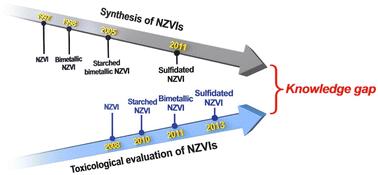
Nanoscale zerovalent iron (NZVI) is among the most widely used nanomaterials in environmental applications. With such an increased use of NZVI, there is a need to understand its potential impact on microorganisms, vital components of various ecosystems. Significant progress has been made in elucidating the molecular mechanisms underlying NZVI toxicity in model bacteria, while recent research has shifted toward evaluating its long-term impacts on environmental microbial systems. Herein, we first revisit a range of studies on NZVI–single microorganism interactions under aerobic and anaerobic conditions in an effort to make general conclusions regarding the NZVI toxicity mechanism at the cellular level. Additionally, a comprehensive overview is provided on the effects of NZVI on complex bacterial consortia in natural aquatic and soil environments, as well as in wastewater treatment systems. Finally, we discuss future research directions for sustainable and environmentally friendly application of NZVI.
期刊介绍:
Environmental Science: Nano serves as a comprehensive and high-impact peer-reviewed source of information on the design and demonstration of engineered nanomaterials for environment-based applications. It also covers the interactions between engineered, natural, and incidental nanomaterials with biological and environmental systems. This scope includes, but is not limited to, the following topic areas:
Novel nanomaterial-based applications for water, air, soil, food, and energy sustainability
Nanomaterial interactions with biological systems and nanotoxicology
Environmental fate, reactivity, and transformations of nanoscale materials
Nanoscale processes in the environment
Sustainable nanotechnology including rational nanomaterial design, life cycle assessment, risk/benefit analysis




 京公网安备 11010802042870号
京ICP备2023020795号-1
京公网安备 11010802042870号
京ICP备2023020795号-1

 分享
分享
 求助内容:
求助内容: 应助结果提醒方式:
 扫码关注我们
