{"title":"斑马鱼肠道Cu(II)/(I)氧化还原态转化导致Cu(I)溢出及肠道和肝脏毒性","authors":"Wanying Gui, Wen-Xiong Wang","doi":"10.1021/acs.est.4c14690","DOIUrl":null,"url":null,"abstract":"Copper (Cu) has long been a concern for human health. While previous studies have explored the toxic effects of Cu, no study is available on the relationship between the Cu redox state transformation and biotoxicity in higher organisms. In this study, we explored the gut and liver toxicity caused by the overflow of Cu(I) at low doses of Cu exposure. Here, we first elucidated the digestive and metabolic systems as the main toxic target sites by a systematic epidemiological analysis. Then, ICP-MS analysis verified that the gut and liver were the top two Cu-high-accumulated organs in zebrafish exposed to 10 and 100 μg/L waterborne Cu for 72 h. In-situ Cu(I) and Cu(II) imaging techniques demonstrated that exogenous Cu(II) was converted to Cu(I) in the zebrafish gut. Furthermore, transcriptomic sequencing revealed that the high overflow of Cu(I) induced gut toxicity by cell cycle arrest in the G phase. However, the substantial accumulation of Cu(I) disrupted the metabolism of energy source nutrients and energy supply, leading to hepatic toxicity. This study provides new insights into the toxic mechanism based on Cu redox state and emphasizes the health risks associated with Cu exposure in the digestive and metabolic systems.","PeriodicalId":36,"journal":{"name":"环境科学与技术","volume":"6 1","pages":""},"PeriodicalIF":12.2000,"publicationDate":"2025-04-13","publicationTypes":"Journal Article","fieldsOfStudy":null,"isOpenAccess":false,"openAccessPdf":"","citationCount":"0","resultStr":"{\"title\":\"Intestinal Cu(II)/(I) Redox State Transformation Causes Cu(I) Overflow and Toxicity of the Gut and Liver in Zebrafish\",\"authors\":\"Wanying Gui, Wen-Xiong Wang\",\"doi\":\"10.1021/acs.est.4c14690\",\"DOIUrl\":null,\"url\":null,\"abstract\":\"Copper (Cu) has long been a concern for human health. While previous studies have explored the toxic effects of Cu, no study is available on the relationship between the Cu redox state transformation and biotoxicity in higher organisms. In this study, we explored the gut and liver toxicity caused by the overflow of Cu(I) at low doses of Cu exposure. Here, we first elucidated the digestive and metabolic systems as the main toxic target sites by a systematic epidemiological analysis. Then, ICP-MS analysis verified that the gut and liver were the top two Cu-high-accumulated organs in zebrafish exposed to 10 and 100 μg/L waterborne Cu for 72 h. In-situ Cu(I) and Cu(II) imaging techniques demonstrated that exogenous Cu(II) was converted to Cu(I) in the zebrafish gut. Furthermore, transcriptomic sequencing revealed that the high overflow of Cu(I) induced gut toxicity by cell cycle arrest in the G phase. However, the substantial accumulation of Cu(I) disrupted the metabolism of energy source nutrients and energy supply, leading to hepatic toxicity. This study provides new insights into the toxic mechanism based on Cu redox state and emphasizes the health risks associated with Cu exposure in the digestive and metabolic systems.\",\"PeriodicalId\":36,\"journal\":{\"name\":\"环境科学与技术\",\"volume\":\"6 1\",\"pages\":\"\"},\"PeriodicalIF\":12.2000,\"publicationDate\":\"2025-04-13\",\"publicationTypes\":\"Journal Article\",\"fieldsOfStudy\":null,\"isOpenAccess\":false,\"openAccessPdf\":\"\",\"citationCount\":\"0\",\"resultStr\":null,\"platform\":\"Semanticscholar\",\"paperid\":null,\"PeriodicalName\":\"环境科学与技术\",\"FirstCategoryId\":\"1\",\"ListUrlMain\":\"https://doi.org/10.1021/acs.est.4c14690\",\"RegionNum\":1,\"RegionCategory\":\"环境科学与生态学\",\"ArticlePicture\":[],\"TitleCN\":null,\"AbstractTextCN\":null,\"PMCID\":null,\"EPubDate\":\"\",\"PubModel\":\"\",\"JCR\":\"Q1\",\"JCRName\":\"ENGINEERING, ENVIRONMENTAL\",\"Score\":null,\"Total\":0}","platform":"Semanticscholar","paperid":null,"PeriodicalName":"环境科学与技术","FirstCategoryId":"1","ListUrlMain":"https://doi.org/10.1021/acs.est.4c14690","RegionNum":1,"RegionCategory":"环境科学与生态学","ArticlePicture":[],"TitleCN":null,"AbstractTextCN":null,"PMCID":null,"EPubDate":"","PubModel":"","JCR":"Q1","JCRName":"ENGINEERING, ENVIRONMENTAL","Score":null,"Total":0}
引用次数: 0
摘要
铜(Cu)长期以来一直是人类健康关注的问题。虽然之前的研究已经探讨了铜的毒性效应,但还没有关于铜氧化还原状态转化与高等生物体内生物毒性之间关系的研究。在本研究中,我们探讨了在低剂量铜暴露下,Cu(I)溢出引起的肠道和肝脏毒性。在这里,我们首先通过系统的流行病学分析,阐明了消化和代谢系统是主要的毒性靶点。ICP-MS分析证实,斑马鱼暴露于10和100 μg/L的水载铜72小时后,肠道和肝脏是铜高积累的前两个器官;原位Cu(I)和Cu(II)成像技术表明,外源Cu(II)在斑马鱼肠道中转化为Cu(I)。此外,转录组测序显示,大量溢出的 Cu(I) 会导致细胞周期停滞在 G 期,从而诱发肠道毒性。然而,Cu(I)的大量积累破坏了能量源营养物质的代谢和能量供应,导致肝中毒。这项研究为基于铜氧化还原态的毒性机制提供了新的见解,并强调了消化和代谢系统中铜暴露所带来的健康风险。
Intestinal Cu(II)/(I) Redox State Transformation Causes Cu(I) Overflow and Toxicity of the Gut and Liver in Zebrafish
Copper (Cu) has long been a concern for human health. While previous studies have explored the toxic effects of Cu, no study is available on the relationship between the Cu redox state transformation and biotoxicity in higher organisms. In this study, we explored the gut and liver toxicity caused by the overflow of Cu(I) at low doses of Cu exposure. Here, we first elucidated the digestive and metabolic systems as the main toxic target sites by a systematic epidemiological analysis. Then, ICP-MS analysis verified that the gut and liver were the top two Cu-high-accumulated organs in zebrafish exposed to 10 and 100 μg/L waterborne Cu for 72 h. In-situ Cu(I) and Cu(II) imaging techniques demonstrated that exogenous Cu(II) was converted to Cu(I) in the zebrafish gut. Furthermore, transcriptomic sequencing revealed that the high overflow of Cu(I) induced gut toxicity by cell cycle arrest in the G phase. However, the substantial accumulation of Cu(I) disrupted the metabolism of energy source nutrients and energy supply, leading to hepatic toxicity. This study provides new insights into the toxic mechanism based on Cu redox state and emphasizes the health risks associated with Cu exposure in the digestive and metabolic systems.
期刊介绍:
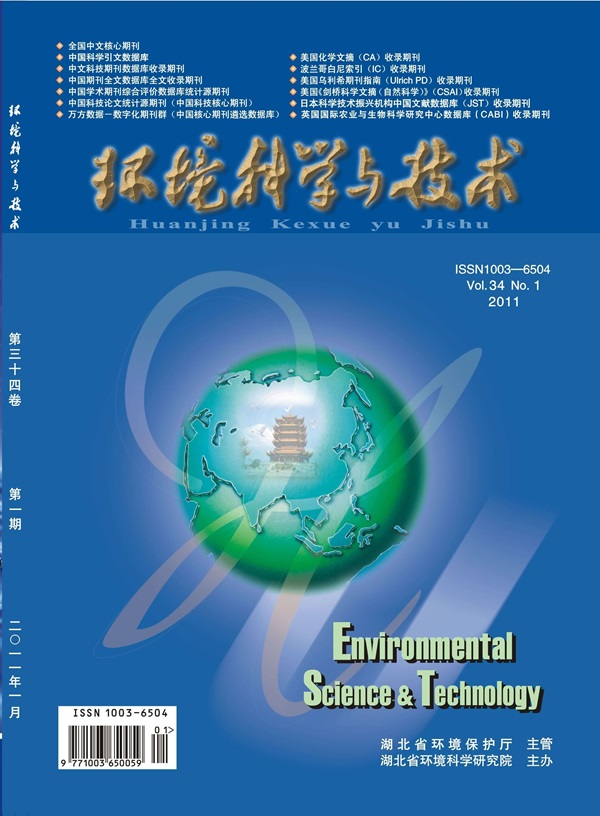
Environmental Science & Technology (ES&T) is a co-sponsored academic and technical magazine by the Hubei Provincial Environmental Protection Bureau and the Hubei Provincial Academy of Environmental Sciences.
Environmental Science & Technology (ES&T) holds the status of Chinese core journals, scientific papers source journals of China, Chinese Science Citation Database source journals, and Chinese Academic Journal Comprehensive Evaluation Database source journals. This publication focuses on the academic field of environmental protection, featuring articles related to environmental protection and technical advancements.





 京公网安备 11010802042870号
京ICP备2023020795号-1
京公网安备 11010802042870号
京ICP备2023020795号-1

 分享
分享
 求助内容:
求助内容: 应助结果提醒方式:
 扫码关注我们
