Ajay Gandhi, Jagdish Sokhi, Chris Lockie, Patrick A Ward
{"title":"COVID-19 患者的紧急气管插管:英国中心的经验","authors":"Ajay Gandhi, Jagdish Sokhi, Chris Lockie, Patrick A Ward","doi":"10.1155/2020/8816729","DOIUrl":null,"url":null,"abstract":"<p><p>This retrospective observational case series describes a single centre's preparations and experience of 53 emergency tracheal intubations in patients with COVID-19 respiratory failure. The findings of a contemporaneous online survey exploring technical and nontechnical aspects of airway management, completed by intubation team members, are also presented. Preparations included developing a COVID-19 intubation standard operating procedure and checklist, dedicated airway trolleys, a consultant-led mobile intubation team, and an airway education programme. Tracheal intubation was successful in all patients. Intubation first-pass success rate was 85%, first-line videolaryngoscopy use 79%, oxygen desaturation 49%, and hypotension 21%. Performance was consistent across all clinical areas. The main factor impeding first-pass success was larger diameter tracheal tubes. The majority of intubations was performed by consultant anaesthetists. Nonconsultant intubations demonstrated higher oxygen desaturation rates (75% vs. 45%, <i>p</i>=0.610) and lower first-pass success (0% vs. 92%, <i>p</i> < 0.001). Survey respondents (<i>n</i> = 29) reported increased anxiety at the start of the pandemic, with statistically significant reduction as the pandemic progressed (median: 4/5 very high vs. 2/5 low anxiety, <i>p</i> < 0.001). Reported procedural/environmental challenges included performing tasks in personal protective equipment (62%), remote-site working (48%), and modification of normal practices (41%)-specifically, the use of larger diameter tracheal tubes (21%). Hypoxaemia was identified by 90% of respondents as the most challenging patient-related factor during intubations. Our findings demonstrate that a consultant-led mobile intubation team can safely perform tracheal intubation in critically ill COVID-19 patients across all clinical areas, aided by thorough preparation and training, despite heightened anxiety levels.</p>","PeriodicalId":7834,"journal":{"name":"Anesthesiology Research and Practice","volume":"2020 ","pages":"8816729"},"PeriodicalIF":1.5000,"publicationDate":"2020-12-10","publicationTypes":"Journal Article","fieldsOfStudy":null,"isOpenAccess":false,"openAccessPdf":"https://www.ncbi.nlm.nih.gov/pmc/articles/PMC7729388/pdf/","citationCount":"0","resultStr":"{\"title\":\"Emergency Tracheal Intubation in Patients with COVID-19: Experience from a UK Centre.\",\"authors\":\"Ajay Gandhi, Jagdish Sokhi, Chris Lockie, Patrick A Ward\",\"doi\":\"10.1155/2020/8816729\",\"DOIUrl\":null,\"url\":null,\"abstract\":\"<p><p>This retrospective observational case series describes a single centre's preparations and experience of 53 emergency tracheal intubations in patients with COVID-19 respiratory failure. The findings of a contemporaneous online survey exploring technical and nontechnical aspects of airway management, completed by intubation team members, are also presented. Preparations included developing a COVID-19 intubation standard operating procedure and checklist, dedicated airway trolleys, a consultant-led mobile intubation team, and an airway education programme. Tracheal intubation was successful in all patients. Intubation first-pass success rate was 85%, first-line videolaryngoscopy use 79%, oxygen desaturation 49%, and hypotension 21%. Performance was consistent across all clinical areas. The main factor impeding first-pass success was larger diameter tracheal tubes. The majority of intubations was performed by consultant anaesthetists. Nonconsultant intubations demonstrated higher oxygen desaturation rates (75% vs. 45%, <i>p</i>=0.610) and lower first-pass success (0% vs. 92%, <i>p</i> < 0.001). Survey respondents (<i>n</i> = 29) reported increased anxiety at the start of the pandemic, with statistically significant reduction as the pandemic progressed (median: 4/5 very high vs. 2/5 low anxiety, <i>p</i> < 0.001). Reported procedural/environmental challenges included performing tasks in personal protective equipment (62%), remote-site working (48%), and modification of normal practices (41%)-specifically, the use of larger diameter tracheal tubes (21%). Hypoxaemia was identified by 90% of respondents as the most challenging patient-related factor during intubations. Our findings demonstrate that a consultant-led mobile intubation team can safely perform tracheal intubation in critically ill COVID-19 patients across all clinical areas, aided by thorough preparation and training, despite heightened anxiety levels.</p>\",\"PeriodicalId\":7834,\"journal\":{\"name\":\"Anesthesiology Research and Practice\",\"volume\":\"2020 \",\"pages\":\"8816729\"},\"PeriodicalIF\":1.5000,\"publicationDate\":\"2020-12-10\",\"publicationTypes\":\"Journal Article\",\"fieldsOfStudy\":null,\"isOpenAccess\":false,\"openAccessPdf\":\"https://www.ncbi.nlm.nih.gov/pmc/articles/PMC7729388/pdf/\",\"citationCount\":\"0\",\"resultStr\":null,\"platform\":\"Semanticscholar\",\"paperid\":null,\"PeriodicalName\":\"Anesthesiology Research and Practice\",\"FirstCategoryId\":\"1085\",\"ListUrlMain\":\"https://doi.org/10.1155/2020/8816729\",\"RegionNum\":0,\"RegionCategory\":null,\"ArticlePicture\":[],\"TitleCN\":null,\"AbstractTextCN\":null,\"PMCID\":null,\"EPubDate\":\"2020/1/1 0:00:00\",\"PubModel\":\"eCollection\",\"JCR\":\"Q2\",\"JCRName\":\"ANESTHESIOLOGY\",\"Score\":null,\"Total\":0}","platform":"Semanticscholar","paperid":null,"PeriodicalName":"Anesthesiology Research and Practice","FirstCategoryId":"1085","ListUrlMain":"https://doi.org/10.1155/2020/8816729","RegionNum":0,"RegionCategory":null,"ArticlePicture":[],"TitleCN":null,"AbstractTextCN":null,"PMCID":null,"EPubDate":"2020/1/1 0:00:00","PubModel":"eCollection","JCR":"Q2","JCRName":"ANESTHESIOLOGY","Score":null,"Total":0}
Emergency Tracheal Intubation in Patients with COVID-19: Experience from a UK Centre.
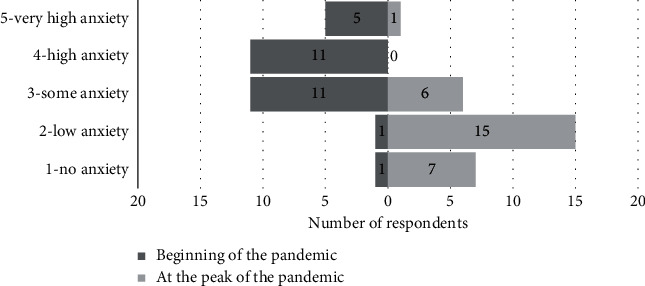
This retrospective observational case series describes a single centre's preparations and experience of 53 emergency tracheal intubations in patients with COVID-19 respiratory failure. The findings of a contemporaneous online survey exploring technical and nontechnical aspects of airway management, completed by intubation team members, are also presented. Preparations included developing a COVID-19 intubation standard operating procedure and checklist, dedicated airway trolleys, a consultant-led mobile intubation team, and an airway education programme. Tracheal intubation was successful in all patients. Intubation first-pass success rate was 85%, first-line videolaryngoscopy use 79%, oxygen desaturation 49%, and hypotension 21%. Performance was consistent across all clinical areas. The main factor impeding first-pass success was larger diameter tracheal tubes. The majority of intubations was performed by consultant anaesthetists. Nonconsultant intubations demonstrated higher oxygen desaturation rates (75% vs. 45%, p=0.610) and lower first-pass success (0% vs. 92%, p < 0.001). Survey respondents (n = 29) reported increased anxiety at the start of the pandemic, with statistically significant reduction as the pandemic progressed (median: 4/5 very high vs. 2/5 low anxiety, p < 0.001). Reported procedural/environmental challenges included performing tasks in personal protective equipment (62%), remote-site working (48%), and modification of normal practices (41%)-specifically, the use of larger diameter tracheal tubes (21%). Hypoxaemia was identified by 90% of respondents as the most challenging patient-related factor during intubations. Our findings demonstrate that a consultant-led mobile intubation team can safely perform tracheal intubation in critically ill COVID-19 patients across all clinical areas, aided by thorough preparation and training, despite heightened anxiety levels.





 京公网安备 11010802042870号
京ICP备2023020795号-1
京公网安备 11010802042870号
京ICP备2023020795号-1

 分享
分享
 求助内容:
求助内容: 应助结果提醒方式:
 扫码关注我们
