Amelia E Talley, Breanna N Harris, Tran H Le, Zachary P Hohman
{"title":"性身份不确定女性的消极自我关注与饮酒行为:饮酒应对者唾液皮质醇压力反应的变化。","authors":"Amelia E Talley, Breanna N Harris, Tran H Le, Zachary P Hohman","doi":"10.1177/24705470221118308","DOIUrl":null,"url":null,"abstract":"<p><strong>Background: </strong>Individuals who report sexual identity-uncertainty are at-risk for heavy alcohol consumption and alcohol use disorder symptomology. The current study examined the impact of states of aversive self-focus on subsequent consumption of ostensibly alcohol-containing beverages among a sample of women in early adulthood with varying levels of sexual identity-uncertainty (<i>N</i> = 75).</p><p><strong>Methods: </strong>Utilizing a 2 (<i>self-focus</i>: negative vs. neutral) × 2 (<i>attribution for any psychological discomfort</i>: external vs. none given) between-subjects design with 3 within-person assessments of salivary cortisol, both a moderation model and mixed-effects general linear model were tested.</p><p><strong>Results: </strong>States of aversive self-focus caused increases in overall consumption among women higher in sexual identity-uncertainty. Findings suggested consumption of ostensibly alcohol-containing beverages was more likely among women higher in sexual identity-uncertainty who also reported consuming beverages to cope with distress. Among women who reported higher levels of sexual identity-uncertainty and drinking-to-cope motives, salivary cortisol concentrations dampened more quickly over time, as they supposedly consumed alcohol.</p><p><strong>Conclusion: </strong>Findings demonstrate that, among women reporting sexual identity-uncertainty who are motivated to consume alcohol to forget about troubles or worries, situations which evoke states of aversive self-focus may contribute to differences in alcohol consumption in early adulthood.</p>","PeriodicalId":52315,"journal":{"name":"Chronic Stress","volume":" ","pages":"24705470221118308"},"PeriodicalIF":0.0000,"publicationDate":"2022-08-17","publicationTypes":"Journal Article","fieldsOfStudy":null,"isOpenAccess":false,"openAccessPdf":"https://www.ncbi.nlm.nih.gov/pmc/articles/PMC9393684/pdf/","citationCount":"0","resultStr":"{\"title\":\"Aversive Self-Focus and Alcohol Consumption Behavior in Women with Sexual Identity-Uncertainty: Changes in Salivary Cortisol Stress Response Among Those who Drink-to-Cope.\",\"authors\":\"Amelia E Talley, Breanna N Harris, Tran H Le, Zachary P Hohman\",\"doi\":\"10.1177/24705470221118308\",\"DOIUrl\":null,\"url\":null,\"abstract\":\"<p><strong>Background: </strong>Individuals who report sexual identity-uncertainty are at-risk for heavy alcohol consumption and alcohol use disorder symptomology. The current study examined the impact of states of aversive self-focus on subsequent consumption of ostensibly alcohol-containing beverages among a sample of women in early adulthood with varying levels of sexual identity-uncertainty (<i>N</i> = 75).</p><p><strong>Methods: </strong>Utilizing a 2 (<i>self-focus</i>: negative vs. neutral) × 2 (<i>attribution for any psychological discomfort</i>: external vs. none given) between-subjects design with 3 within-person assessments of salivary cortisol, both a moderation model and mixed-effects general linear model were tested.</p><p><strong>Results: </strong>States of aversive self-focus caused increases in overall consumption among women higher in sexual identity-uncertainty. Findings suggested consumption of ostensibly alcohol-containing beverages was more likely among women higher in sexual identity-uncertainty who also reported consuming beverages to cope with distress. Among women who reported higher levels of sexual identity-uncertainty and drinking-to-cope motives, salivary cortisol concentrations dampened more quickly over time, as they supposedly consumed alcohol.</p><p><strong>Conclusion: </strong>Findings demonstrate that, among women reporting sexual identity-uncertainty who are motivated to consume alcohol to forget about troubles or worries, situations which evoke states of aversive self-focus may contribute to differences in alcohol consumption in early adulthood.</p>\",\"PeriodicalId\":52315,\"journal\":{\"name\":\"Chronic Stress\",\"volume\":\" \",\"pages\":\"24705470221118308\"},\"PeriodicalIF\":0.0000,\"publicationDate\":\"2022-08-17\",\"publicationTypes\":\"Journal Article\",\"fieldsOfStudy\":null,\"isOpenAccess\":false,\"openAccessPdf\":\"https://www.ncbi.nlm.nih.gov/pmc/articles/PMC9393684/pdf/\",\"citationCount\":\"0\",\"resultStr\":null,\"platform\":\"Semanticscholar\",\"paperid\":null,\"PeriodicalName\":\"Chronic Stress\",\"FirstCategoryId\":\"1085\",\"ListUrlMain\":\"https://doi.org/10.1177/24705470221118308\",\"RegionNum\":0,\"RegionCategory\":null,\"ArticlePicture\":[],\"TitleCN\":null,\"AbstractTextCN\":null,\"PMCID\":null,\"EPubDate\":\"2022/1/1 0:00:00\",\"PubModel\":\"eCollection\",\"JCR\":\"Q1\",\"JCRName\":\"Psychology\",\"Score\":null,\"Total\":0}","platform":"Semanticscholar","paperid":null,"PeriodicalName":"Chronic Stress","FirstCategoryId":"1085","ListUrlMain":"https://doi.org/10.1177/24705470221118308","RegionNum":0,"RegionCategory":null,"ArticlePicture":[],"TitleCN":null,"AbstractTextCN":null,"PMCID":null,"EPubDate":"2022/1/1 0:00:00","PubModel":"eCollection","JCR":"Q1","JCRName":"Psychology","Score":null,"Total":0}
Aversive Self-Focus and Alcohol Consumption Behavior in Women with Sexual Identity-Uncertainty: Changes in Salivary Cortisol Stress Response Among Those who Drink-to-Cope.
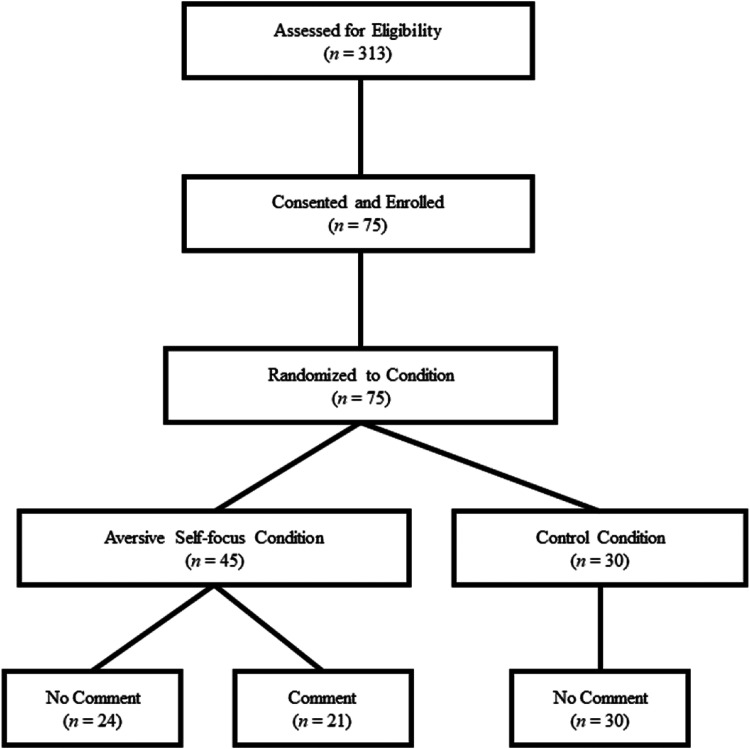
Background: Individuals who report sexual identity-uncertainty are at-risk for heavy alcohol consumption and alcohol use disorder symptomology. The current study examined the impact of states of aversive self-focus on subsequent consumption of ostensibly alcohol-containing beverages among a sample of women in early adulthood with varying levels of sexual identity-uncertainty (N = 75).
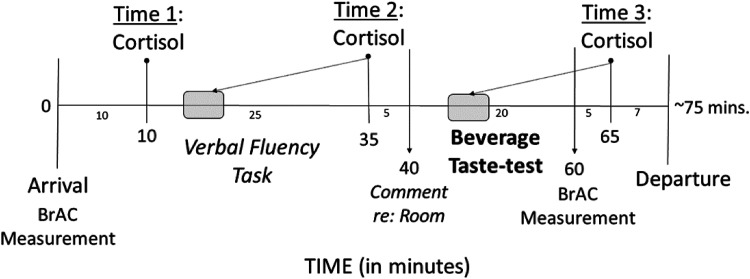
Methods: Utilizing a 2 (self-focus: negative vs. neutral) × 2 (attribution for any psychological discomfort: external vs. none given) between-subjects design with 3 within-person assessments of salivary cortisol, both a moderation model and mixed-effects general linear model were tested.
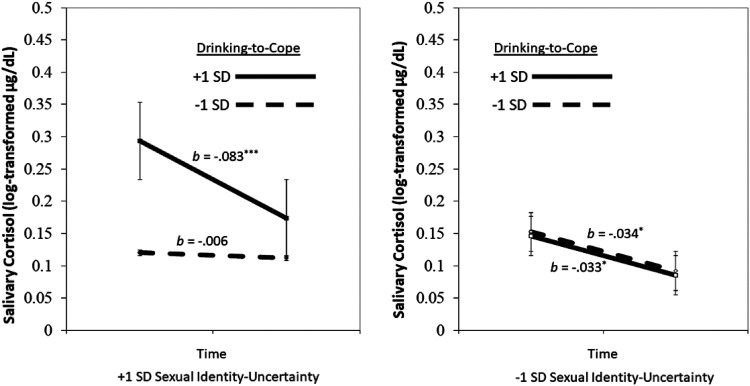
Results: States of aversive self-focus caused increases in overall consumption among women higher in sexual identity-uncertainty. Findings suggested consumption of ostensibly alcohol-containing beverages was more likely among women higher in sexual identity-uncertainty who also reported consuming beverages to cope with distress. Among women who reported higher levels of sexual identity-uncertainty and drinking-to-cope motives, salivary cortisol concentrations dampened more quickly over time, as they supposedly consumed alcohol.
Conclusion: Findings demonstrate that, among women reporting sexual identity-uncertainty who are motivated to consume alcohol to forget about troubles or worries, situations which evoke states of aversive self-focus may contribute to differences in alcohol consumption in early adulthood.





 京公网安备 11010802042870号
京ICP备2023020795号-1
京公网安备 11010802042870号
京ICP备2023020795号-1

 分享
分享
 求助内容:
求助内容: 应助结果提醒方式:
 扫码关注我们
