María Alvarado García, Blanca Cecilia Venegas Bustos, Alejandra Ángela María Salazar Maya
{"title":"罗伊适应模型在社区环境中的应用","authors":"María Alvarado García, Blanca Cecilia Venegas Bustos, Alejandra Ángela María Salazar Maya","doi":"10.15649/cuidarte.3016","DOIUrl":null,"url":null,"abstract":"<p><strong>Introduction: </strong>This article is an important contribution to the application of Callista Roy's Adaptation Model to groups.</p><p><strong>Objective: </strong>To promote adaptive behaviors through primary health care strategies for a group of chronically ill older adults living in a municipality in the department of Cundinamarca, Colombia.</p><p><strong>Materials and methods: </strong>A qualitative participatory action research approach was used. A nurse used participant observation and characterized the community; besides, with exploratory questions, the nurse enabled them to identify their problems and suggest strategies for improvement, including for their own health. Subsequently, the nursing care process was applied.</p><p><strong>Results: </strong>Group behavior was assessed through the following modes of adaptation: physiologic adaptation, self concept or group identity, role-function adaptation or unit of social functioning and social integrity, and interdependence adaptation or social context in which the group functions.</p><p><strong>Discussion: </strong>Applying Roy's model in practice makes it possible to identify negative situations in groups, promote innovative coping processes, and control environmental stimuli in a community. Assessment skills must be sharp, as they are key to applying Roy's model to community practice.</p><p><strong>Conclusions: </strong>The stimuli that trigger the main adaptation problems were identified, and a nursing care plan was implemented developing adaptation strategies, such as home visits, intergenerational meetings, community participation with support groups created by the municipality, and health education, to promote group adaptation.</p>","PeriodicalId":43234,"journal":{"name":"Revista Cuidarte","volume":" ","pages":"e07"},"PeriodicalIF":0.6000,"publicationDate":"2023-12-20","publicationTypes":"Journal Article","fieldsOfStudy":null,"isOpenAccess":false,"openAccessPdf":"https://www.ncbi.nlm.nih.gov/pmc/articles/PMC11560096/pdf/","citationCount":"0","resultStr":"{\"title\":\"[Applying Roy's adaptation model to a community contextAplicado do Modelo Roy de Adaptado em um contexto comunitário].\",\"authors\":\"María Alvarado García, Blanca Cecilia Venegas Bustos, Alejandra Ángela María Salazar Maya\",\"doi\":\"10.15649/cuidarte.3016\",\"DOIUrl\":null,\"url\":null,\"abstract\":\"<p><strong>Introduction: </strong>This article is an important contribution to the application of Callista Roy's Adaptation Model to groups.</p><p><strong>Objective: </strong>To promote adaptive behaviors through primary health care strategies for a group of chronically ill older adults living in a municipality in the department of Cundinamarca, Colombia.</p><p><strong>Materials and methods: </strong>A qualitative participatory action research approach was used. A nurse used participant observation and characterized the community; besides, with exploratory questions, the nurse enabled them to identify their problems and suggest strategies for improvement, including for their own health. Subsequently, the nursing care process was applied.</p><p><strong>Results: </strong>Group behavior was assessed through the following modes of adaptation: physiologic adaptation, self concept or group identity, role-function adaptation or unit of social functioning and social integrity, and interdependence adaptation or social context in which the group functions.</p><p><strong>Discussion: </strong>Applying Roy's model in practice makes it possible to identify negative situations in groups, promote innovative coping processes, and control environmental stimuli in a community. Assessment skills must be sharp, as they are key to applying Roy's model to community practice.</p><p><strong>Conclusions: </strong>The stimuli that trigger the main adaptation problems were identified, and a nursing care plan was implemented developing adaptation strategies, such as home visits, intergenerational meetings, community participation with support groups created by the municipality, and health education, to promote group adaptation.</p>\",\"PeriodicalId\":43234,\"journal\":{\"name\":\"Revista Cuidarte\",\"volume\":\" \",\"pages\":\"e07\"},\"PeriodicalIF\":0.6000,\"publicationDate\":\"2023-12-20\",\"publicationTypes\":\"Journal Article\",\"fieldsOfStudy\":null,\"isOpenAccess\":false,\"openAccessPdf\":\"https://www.ncbi.nlm.nih.gov/pmc/articles/PMC11560096/pdf/\",\"citationCount\":\"0\",\"resultStr\":null,\"platform\":\"Semanticscholar\",\"paperid\":null,\"PeriodicalName\":\"Revista Cuidarte\",\"FirstCategoryId\":\"1085\",\"ListUrlMain\":\"https://doi.org/10.15649/cuidarte.3016\",\"RegionNum\":0,\"RegionCategory\":null,\"ArticlePicture\":[],\"TitleCN\":null,\"AbstractTextCN\":null,\"PMCID\":null,\"EPubDate\":\"2023/9/1 0:00:00\",\"PubModel\":\"eCollection\",\"JCR\":\"Q4\",\"JCRName\":\"NURSING\",\"Score\":null,\"Total\":0}","platform":"Semanticscholar","paperid":null,"PeriodicalName":"Revista Cuidarte","FirstCategoryId":"1085","ListUrlMain":"https://doi.org/10.15649/cuidarte.3016","RegionNum":0,"RegionCategory":null,"ArticlePicture":[],"TitleCN":null,"AbstractTextCN":null,"PMCID":null,"EPubDate":"2023/9/1 0:00:00","PubModel":"eCollection","JCR":"Q4","JCRName":"NURSING","Score":null,"Total":0}
[Applying Roy's adaptation model to a community contextAplicado do Modelo Roy de Adaptado em um contexto comunitário].
Introduction: This article is an important contribution to the application of Callista Roy's Adaptation Model to groups.
Objective: To promote adaptive behaviors through primary health care strategies for a group of chronically ill older adults living in a municipality in the department of Cundinamarca, Colombia.
Materials and methods: A qualitative participatory action research approach was used. A nurse used participant observation and characterized the community; besides, with exploratory questions, the nurse enabled them to identify their problems and suggest strategies for improvement, including for their own health. Subsequently, the nursing care process was applied.
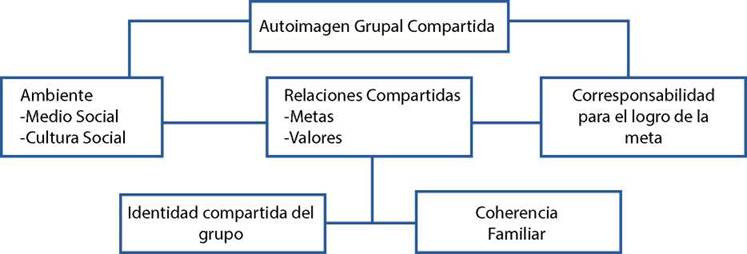
Results: Group behavior was assessed through the following modes of adaptation: physiologic adaptation, self concept or group identity, role-function adaptation or unit of social functioning and social integrity, and interdependence adaptation or social context in which the group functions.
Discussion: Applying Roy's model in practice makes it possible to identify negative situations in groups, promote innovative coping processes, and control environmental stimuli in a community. Assessment skills must be sharp, as they are key to applying Roy's model to community practice.
Conclusions: The stimuli that trigger the main adaptation problems were identified, and a nursing care plan was implemented developing adaptation strategies, such as home visits, intergenerational meetings, community participation with support groups created by the municipality, and health education, to promote group adaptation.







 京公网安备 11010802042870号
京ICP备2023020795号-1
京公网安备 11010802042870号
京ICP备2023020795号-1

 分享
分享
 求助内容:
求助内容: 应助结果提醒方式:
 扫码关注我们
