{"title":"用于癌症治疗的孔工程纳米结构","authors":"Linawati Sutrisno, Katsuhiko Ariga","doi":"10.1038/s41427-023-00469-w","DOIUrl":null,"url":null,"abstract":"Nanoarchitectonics describes the integration of nanotechnology with other fields as a postnanotechnology concept that elevates it to material science. Based on this fundamental principle, we address pore-engineered nanoarchitectonics with application targets for cancer therapy by combining basic descriptions and exemplifying therapy applications in this review. The initial two sections briefly summarize pore-engineered nanoarchitectonics basics according to classification based on (i) material porosity and (ii) material composition. Afterward, the main application-oriented section—designing mesoporous material for cancer therapy—is presented. Various types of drug delivery systems, including mesoporous nanoparticles as nanocarriers, endogenous stimuli-responsive drug delivery, exogenous stimuli-responsive drug delivery, and targeted drug delivery, are described. Importantly, the clinical translation of mesoporous materials is further discussed. Mesoporous materials are unique nanoparticles that offer a network of cavities as vehicles for drug nanocarriers. Regarding the developments that allow mesoporous nanoparticles to be broadly used in clinical settings, there are several challenges that should be solved for their clinical application. From a clinical perspective, there are tremendous processes in the development of mesoporous materials. Nanoarchitectonics concept is essential to bridge the gaps between biology and materials chemistry. Based on this fundamental principle, this review article provides pore-engineered nanoarchitectonics for cancer therapy by integrating basic descriptions and exemplifying therapy applications. This review paper briefly summarizes pore-engineered nanoarchitectonics basics according to classification based on material porosity and composition. We discuss how to design mesoporous material and highlight the appealing points of the progress in the clinical translation of mesoporous materials for cancer treatment. Nanoarchitectonics could be an important key concept for future advanced life technologies as well as currently required cancer therapy.","PeriodicalId":19382,"journal":{"name":"Npg Asia Materials","volume":"15 1","pages":"1-27"},"PeriodicalIF":8.3000,"publicationDate":"2023-03-31","publicationTypes":"Journal Article","fieldsOfStudy":null,"isOpenAccess":false,"openAccessPdf":"https://www.nature.com/articles/s41427-023-00469-w.pdf","citationCount":"0","resultStr":"{\"title\":\"Pore-engineered nanoarchitectonics for cancer therapy\",\"authors\":\"Linawati Sutrisno, Katsuhiko Ariga\",\"doi\":\"10.1038/s41427-023-00469-w\",\"DOIUrl\":null,\"url\":null,\"abstract\":\"Nanoarchitectonics describes the integration of nanotechnology with other fields as a postnanotechnology concept that elevates it to material science. Based on this fundamental principle, we address pore-engineered nanoarchitectonics with application targets for cancer therapy by combining basic descriptions and exemplifying therapy applications in this review. The initial two sections briefly summarize pore-engineered nanoarchitectonics basics according to classification based on (i) material porosity and (ii) material composition. Afterward, the main application-oriented section—designing mesoporous material for cancer therapy—is presented. Various types of drug delivery systems, including mesoporous nanoparticles as nanocarriers, endogenous stimuli-responsive drug delivery, exogenous stimuli-responsive drug delivery, and targeted drug delivery, are described. Importantly, the clinical translation of mesoporous materials is further discussed. Mesoporous materials are unique nanoparticles that offer a network of cavities as vehicles for drug nanocarriers. Regarding the developments that allow mesoporous nanoparticles to be broadly used in clinical settings, there are several challenges that should be solved for their clinical application. From a clinical perspective, there are tremendous processes in the development of mesoporous materials. Nanoarchitectonics concept is essential to bridge the gaps between biology and materials chemistry. Based on this fundamental principle, this review article provides pore-engineered nanoarchitectonics for cancer therapy by integrating basic descriptions and exemplifying therapy applications. This review paper briefly summarizes pore-engineered nanoarchitectonics basics according to classification based on material porosity and composition. We discuss how to design mesoporous material and highlight the appealing points of the progress in the clinical translation of mesoporous materials for cancer treatment. Nanoarchitectonics could be an important key concept for future advanced life technologies as well as currently required cancer therapy.\",\"PeriodicalId\":19382,\"journal\":{\"name\":\"Npg Asia Materials\",\"volume\":\"15 1\",\"pages\":\"1-27\"},\"PeriodicalIF\":8.3000,\"publicationDate\":\"2023-03-31\",\"publicationTypes\":\"Journal Article\",\"fieldsOfStudy\":null,\"isOpenAccess\":false,\"openAccessPdf\":\"https://www.nature.com/articles/s41427-023-00469-w.pdf\",\"citationCount\":\"0\",\"resultStr\":null,\"platform\":\"Semanticscholar\",\"paperid\":null,\"PeriodicalName\":\"Npg Asia Materials\",\"FirstCategoryId\":\"88\",\"ListUrlMain\":\"https://www.nature.com/articles/s41427-023-00469-w\",\"RegionNum\":2,\"RegionCategory\":\"材料科学\",\"ArticlePicture\":[],\"TitleCN\":null,\"AbstractTextCN\":null,\"PMCID\":null,\"EPubDate\":\"\",\"PubModel\":\"\",\"JCR\":\"Q1\",\"JCRName\":\"MATERIALS SCIENCE, MULTIDISCIPLINARY\",\"Score\":null,\"Total\":0}","platform":"Semanticscholar","paperid":null,"PeriodicalName":"Npg Asia Materials","FirstCategoryId":"88","ListUrlMain":"https://www.nature.com/articles/s41427-023-00469-w","RegionNum":2,"RegionCategory":"材料科学","ArticlePicture":[],"TitleCN":null,"AbstractTextCN":null,"PMCID":null,"EPubDate":"","PubModel":"","JCR":"Q1","JCRName":"MATERIALS SCIENCE, MULTIDISCIPLINARY","Score":null,"Total":0}
Pore-engineered nanoarchitectonics for cancer therapy
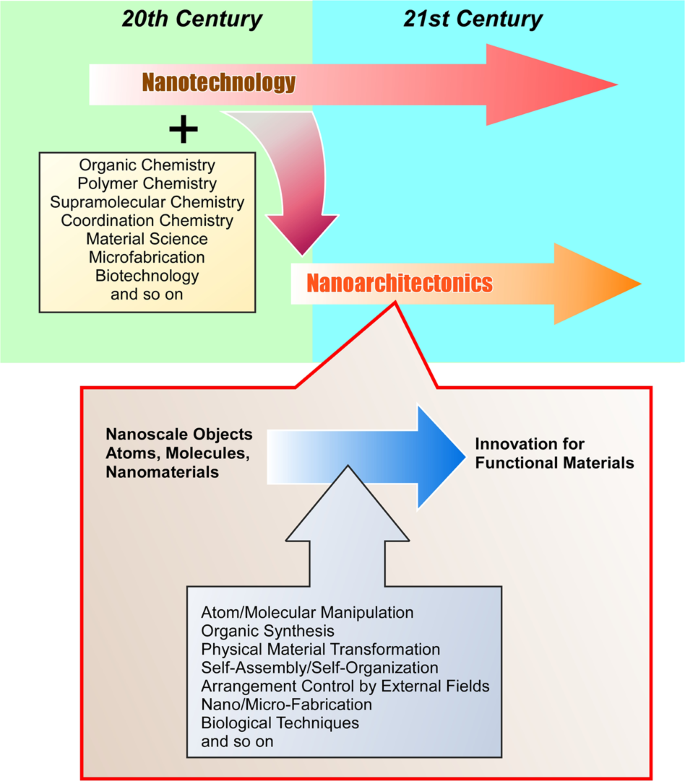
Nanoarchitectonics describes the integration of nanotechnology with other fields as a postnanotechnology concept that elevates it to material science. Based on this fundamental principle, we address pore-engineered nanoarchitectonics with application targets for cancer therapy by combining basic descriptions and exemplifying therapy applications in this review. The initial two sections briefly summarize pore-engineered nanoarchitectonics basics according to classification based on (i) material porosity and (ii) material composition. Afterward, the main application-oriented section—designing mesoporous material for cancer therapy—is presented. Various types of drug delivery systems, including mesoporous nanoparticles as nanocarriers, endogenous stimuli-responsive drug delivery, exogenous stimuli-responsive drug delivery, and targeted drug delivery, are described. Importantly, the clinical translation of mesoporous materials is further discussed. Mesoporous materials are unique nanoparticles that offer a network of cavities as vehicles for drug nanocarriers. Regarding the developments that allow mesoporous nanoparticles to be broadly used in clinical settings, there are several challenges that should be solved for their clinical application. From a clinical perspective, there are tremendous processes in the development of mesoporous materials. Nanoarchitectonics concept is essential to bridge the gaps between biology and materials chemistry. Based on this fundamental principle, this review article provides pore-engineered nanoarchitectonics for cancer therapy by integrating basic descriptions and exemplifying therapy applications. This review paper briefly summarizes pore-engineered nanoarchitectonics basics according to classification based on material porosity and composition. We discuss how to design mesoporous material and highlight the appealing points of the progress in the clinical translation of mesoporous materials for cancer treatment. Nanoarchitectonics could be an important key concept for future advanced life technologies as well as currently required cancer therapy.
期刊介绍:
NPG Asia Materials is an open access, international journal that publishes peer-reviewed review and primary research articles in the field of materials sciences. The journal has a global outlook and reach, with a base in the Asia-Pacific region to reflect the significant and growing output of materials research from this area. The target audience for NPG Asia Materials is scientists and researchers involved in materials research, covering a wide range of disciplines including physical and chemical sciences, biotechnology, and nanotechnology. The journal particularly welcomes high-quality articles from rapidly advancing areas that bridge the gap between materials science and engineering, as well as the classical disciplines of physics, chemistry, and biology. NPG Asia Materials is abstracted/indexed in Journal Citation Reports/Science Edition Web of Knowledge, Google Scholar, Chemical Abstract Services, Scopus, Ulrichsweb (ProQuest), and Scirus.




 京公网安备 11010802042870号
京ICP备2023020795号-1
京公网安备 11010802042870号
京ICP备2023020795号-1

 分享
分享
 求助内容:
求助内容: 应助结果提醒方式:
 扫码关注我们
