Brynal A. Benally, Benjamin W. Juba, David Schafer, Adam S. Pimentel, Jessica K. Román-Kustas*
{"title":"经验教训──硅化锂水化火灾","authors":"Brynal A. Benally, Benjamin W. Juba, David Schafer, Adam S. Pimentel, Jessica K. Román-Kustas*","doi":"10.1021/acs.chas.1c00040","DOIUrl":null,"url":null,"abstract":"<p >Alkali metals, such as lithium, sodium, potassium, etc., are highly reactive elements. While researchers generally handle these metals with caution, less caution is taken when these elements have been “reacted”. Here, a recent incident is examined in which a pair of researchers ignited a lithium silicide alloy sample that was assumed to be fully hydrated to lithium hydroxide and, thereby, no longer water-reactive. However, variations in the original chemical composition of the lithium compounds examined resulted in select mixtures failing to hydrate and react completely to lithium hydroxide in the time frame allowed. This gave rise to residual unreacted, water-sensitive lithium silicide which resulted in a violent exothermic reaction with water and autoignition of the produced hydrogen gas. This Article describes this incident and improvements that can be implemented to prevent similar incidents from occurring.</p>","PeriodicalId":12,"journal":{"name":"ACS Chemical Health & Safety","volume":"29 1","pages":"98–101"},"PeriodicalIF":3.4000,"publicationDate":"2021-07-28","publicationTypes":"Journal Article","fieldsOfStudy":null,"isOpenAccess":false,"openAccessPdf":"https://sci-hub-pdf.com/10.1021/acs.chas.1c00040","citationCount":"0","resultStr":"{\"title\":\"Lessons Learned─Lithium Silicide Hydration Fire\",\"authors\":\"Brynal A. Benally, Benjamin W. Juba, David Schafer, Adam S. Pimentel, Jessica K. Román-Kustas*\",\"doi\":\"10.1021/acs.chas.1c00040\",\"DOIUrl\":null,\"url\":null,\"abstract\":\"<p >Alkali metals, such as lithium, sodium, potassium, etc., are highly reactive elements. While researchers generally handle these metals with caution, less caution is taken when these elements have been “reacted”. Here, a recent incident is examined in which a pair of researchers ignited a lithium silicide alloy sample that was assumed to be fully hydrated to lithium hydroxide and, thereby, no longer water-reactive. However, variations in the original chemical composition of the lithium compounds examined resulted in select mixtures failing to hydrate and react completely to lithium hydroxide in the time frame allowed. This gave rise to residual unreacted, water-sensitive lithium silicide which resulted in a violent exothermic reaction with water and autoignition of the produced hydrogen gas. This Article describes this incident and improvements that can be implemented to prevent similar incidents from occurring.</p>\",\"PeriodicalId\":12,\"journal\":{\"name\":\"ACS Chemical Health & Safety\",\"volume\":\"29 1\",\"pages\":\"98–101\"},\"PeriodicalIF\":3.4000,\"publicationDate\":\"2021-07-28\",\"publicationTypes\":\"Journal Article\",\"fieldsOfStudy\":null,\"isOpenAccess\":false,\"openAccessPdf\":\"https://sci-hub-pdf.com/10.1021/acs.chas.1c00040\",\"citationCount\":\"0\",\"resultStr\":null,\"platform\":\"Semanticscholar\",\"paperid\":null,\"PeriodicalName\":\"ACS Chemical Health & Safety\",\"FirstCategoryId\":\"1\",\"ListUrlMain\":\"https://pubs.acs.org/doi/10.1021/acs.chas.1c00040\",\"RegionNum\":0,\"RegionCategory\":null,\"ArticlePicture\":[],\"TitleCN\":null,\"AbstractTextCN\":null,\"PMCID\":null,\"EPubDate\":\"\",\"PubModel\":\"\",\"JCR\":\"Q2\",\"JCRName\":\"PUBLIC, ENVIRONMENTAL & OCCUPATIONAL HEALTH\",\"Score\":null,\"Total\":0}","platform":"Semanticscholar","paperid":null,"PeriodicalName":"ACS Chemical Health & Safety","FirstCategoryId":"1","ListUrlMain":"https://pubs.acs.org/doi/10.1021/acs.chas.1c00040","RegionNum":0,"RegionCategory":null,"ArticlePicture":[],"TitleCN":null,"AbstractTextCN":null,"PMCID":null,"EPubDate":"","PubModel":"","JCR":"Q2","JCRName":"PUBLIC, ENVIRONMENTAL & OCCUPATIONAL HEALTH","Score":null,"Total":0}
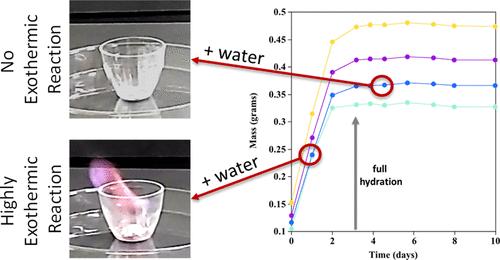
Alkali metals, such as lithium, sodium, potassium, etc., are highly reactive elements. While researchers generally handle these metals with caution, less caution is taken when these elements have been “reacted”. Here, a recent incident is examined in which a pair of researchers ignited a lithium silicide alloy sample that was assumed to be fully hydrated to lithium hydroxide and, thereby, no longer water-reactive. However, variations in the original chemical composition of the lithium compounds examined resulted in select mixtures failing to hydrate and react completely to lithium hydroxide in the time frame allowed. This gave rise to residual unreacted, water-sensitive lithium silicide which resulted in a violent exothermic reaction with water and autoignition of the produced hydrogen gas. This Article describes this incident and improvements that can be implemented to prevent similar incidents from occurring.
期刊介绍:
The Journal of Chemical Health and Safety focuses on news, information, and ideas relating to issues and advances in chemical health and safety. The Journal of Chemical Health and Safety covers up-to-the minute, in-depth views of safety issues ranging from OSHA and EPA regulations to the safe handling of hazardous waste, from the latest innovations in effective chemical hygiene practices to the courts'' most recent rulings on safety-related lawsuits. The Journal of Chemical Health and Safety presents real-world information that health, safety and environmental professionals and others responsible for the safety of their workplaces can put to use right away, identifying potential and developing safety concerns before they do real harm.



 京公网安备 11010802042870号
京ICP备2023020795号-1
京公网安备 11010802042870号
京ICP备2023020795号-1

 分享
分享
 求助内容:
求助内容: 应助结果提醒方式:
 扫码关注我们
