Production of new functional coconut milk kefir with blueberry extract and microalgae: the comparison of the prebiotic potentials on lactic acid bacteria of kefir grain and biochemical characteristics
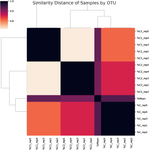
{"title":"Production of new functional coconut milk kefir with blueberry extract and microalgae: the comparison of the prebiotic potentials on lactic acid bacteria of kefir grain and biochemical characteristics","authors":"Doğan Kürşad Aktas, Sevcan Aydin","doi":"10.1007/s13197-024-05974-6","DOIUrl":null,"url":null,"abstract":"<div><p>Probiotic foods are recognized for their importance on human health. Kefir is a versatile probiotic food that can be made from non-dairy sources for vegan diet. This study evaluated the addition of microalga <i>Haematococcus pluvialis</i> (0.50% w/v) and blueberry <i>Vaccinium myrtillus</i> (0.50% w/v) extracts to compare their influence on the biochemical properties and the bacterial community of coconut milk kefir through Nanopore-based DNA sequencing. Results revealed that the <i>V. myrtillus</i> increased the microbial diversity in coconut milk kefir with more abundant Proteobacteria species such as <i>Lacticaseibacillus paracasei</i> (22%) and <i>Lactococcus lactis</i> (6.3%). Microalga demonstrated the opposite effect on C, making Firmicutes represent the whole of the microbiota. Biochemical analysis revealed increased fat content in the kefir samples, with the C1 registering 1.62% and the 1.07% in C2, in contrast to the control group’s 0.87% fat content. The crude protein content exhibited a decrease in both samples compared to the control group (0.00% and 0.88% versus 1.07%). These findings suggest that fortifying vegan kefir with prebiotics has the potential to induce significant alterations in the kefir microbiota.</p><h3>Graphical abstract</h3>\n<div><figure><div><div><picture><source><img></source></picture></div></div></figure></div></div>","PeriodicalId":632,"journal":{"name":"Journal of Food Science and Technology","volume":"61 10","pages":"1986 - 1997"},"PeriodicalIF":2.7010,"publicationDate":"2024-04-05","publicationTypes":"Journal Article","fieldsOfStudy":null,"isOpenAccess":false,"openAccessPdf":"https://link.springer.com/content/pdf/10.1007/s13197-024-05974-6.pdf","citationCount":"0","resultStr":null,"platform":"Semanticscholar","paperid":null,"PeriodicalName":"Journal of Food Science and Technology","FirstCategoryId":"1","ListUrlMain":"https://link.springer.com/article/10.1007/s13197-024-05974-6","RegionNum":0,"RegionCategory":null,"ArticlePicture":[],"TitleCN":null,"AbstractTextCN":null,"PMCID":null,"EPubDate":"","PubModel":"","JCR":"","JCRName":"","Score":null,"Total":0}
引用次数: 0
Abstract
Probiotic foods are recognized for their importance on human health. Kefir is a versatile probiotic food that can be made from non-dairy sources for vegan diet. This study evaluated the addition of microalga Haematococcus pluvialis (0.50% w/v) and blueberry Vaccinium myrtillus (0.50% w/v) extracts to compare their influence on the biochemical properties and the bacterial community of coconut milk kefir through Nanopore-based DNA sequencing. Results revealed that the V. myrtillus increased the microbial diversity in coconut milk kefir with more abundant Proteobacteria species such as Lacticaseibacillus paracasei (22%) and Lactococcus lactis (6.3%). Microalga demonstrated the opposite effect on C, making Firmicutes represent the whole of the microbiota. Biochemical analysis revealed increased fat content in the kefir samples, with the C1 registering 1.62% and the 1.07% in C2, in contrast to the control group’s 0.87% fat content. The crude protein content exhibited a decrease in both samples compared to the control group (0.00% and 0.88% versus 1.07%). These findings suggest that fortifying vegan kefir with prebiotics has the potential to induce significant alterations in the kefir microbiota.
期刊介绍:
The Journal of Food Science and Technology (JFST) is the official publication of the Association of Food Scientists and Technologists of India (AFSTI). This monthly publishes peer-reviewed research papers and reviews in all branches of science, technology, packaging and engineering of foods and food products. Special emphasis is given to fundamental and applied research findings that have potential for enhancing product quality, extend shelf life of fresh and processed food products and improve process efficiency. Critical reviews on new perspectives in food handling and processing, innovative and emerging technologies and trends and future research in food products and food industry byproducts are also welcome. The journal also publishes book reviews relevant to all aspects of food science, technology and engineering.



 京公网安备 11010802042870号
京ICP备2023020795号-1
京公网安备 11010802042870号
京ICP备2023020795号-1

 分享
分享
 求助内容:
求助内容: 应助结果提醒方式:
 扫码关注我们
