Joacim Meneses-León, Sonia Hernández-Salazar, Karina Robles-Rivera, Marcela Tamayo-Ortiz, Karla Muciño-Sandoval, Rodolfo Rivas-Ruiz, Edgar Denova-Gutiérrez, Juan A Tamayo-Orozco, Rafael Velázquez-Cruz, Jorge Salmerón, Berenice Rivera-Paredez
{"title":"Association Between Changes in Sleep, Nap Duration and Bone Mineral Density in Mexican Adults.","authors":"Joacim Meneses-León, Sonia Hernández-Salazar, Karina Robles-Rivera, Marcela Tamayo-Ortiz, Karla Muciño-Sandoval, Rodolfo Rivas-Ruiz, Edgar Denova-Gutiérrez, Juan A Tamayo-Orozco, Rafael Velázquez-Cruz, Jorge Salmerón, Berenice Rivera-Paredez","doi":"10.1007/s00223-024-01224-1","DOIUrl":null,"url":null,"abstract":"<p><p>Studies have found associations between sleep, nap duration, and bone mineral density (BMD). However, the longitudinal relationship between sleep, nap duration, and BMD has not been explored. We evaluated the association between the change in sleep and nap duration and BMD in Mexican adults. Data come from 1,337 adult participants of the Health Workers Cohort Study (341 were men and 996 were women, including 450 women < 45 years old and 546 ≥ 45 years old), with two study waves. At each wave, sleep and nap duration was assessed using self-administered questionnaires and BMD in g/cm<sup>2</sup> was determined by dual X-ray absorptiometry. We used fixed-effect regression models stratified by sex and adjusted for BMI, diet, physical activity, vitamin supplements, and hormone replacement therapy. Women who changed from < 7 to ≥ 7 h/day of sleep from baseline to follow-up were associated with increases in the total hip (β = 0.012 g/cm<sup>2</sup>; 95% CI: 0.002, 0.022) and lumbar spine BMD (β = 0.024 g/cm<sup>2</sup>; 95% CI: 0.009, 0.039). Furthermore, most of these associations were observed in women ≥ 45 years. For women, a changing from 0 to > 60 min/day of napping was associated with a significant increase in total hip BMD of 0.012 g/cm<sup>2</sup> (95% CI: 0.004, 0.024) and lumbar spine BMD of 0.027 g/cm<sup>2</sup> (95% CI: 0.009, 0.045). No significant associations were observed for men. Our results suggest that increased sleep and nap duration are associated with gains in BMD in Mexican women, emphasizing sleep's role in promoting bone health and supporting established recommendations.</p>","PeriodicalId":9601,"journal":{"name":"Calcified Tissue International","volume":" ","pages":"31-40"},"PeriodicalIF":3.2000,"publicationDate":"2024-07-01","publicationTypes":"Journal Article","fieldsOfStudy":null,"isOpenAccess":false,"openAccessPdf":"https://www.ncbi.nlm.nih.gov/pmc/articles/PMC11153263/pdf/","citationCount":"0","resultStr":null,"platform":"Semanticscholar","paperid":null,"PeriodicalName":"Calcified Tissue International","FirstCategoryId":"3","ListUrlMain":"https://doi.org/10.1007/s00223-024-01224-1","RegionNum":3,"RegionCategory":"医学","ArticlePicture":[],"TitleCN":null,"AbstractTextCN":null,"PMCID":null,"EPubDate":"2024/5/17 0:00:00","PubModel":"Epub","JCR":"Q2","JCRName":"ENDOCRINOLOGY & METABOLISM","Score":null,"Total":0}
引用次数: 0
Abstract
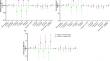
Studies have found associations between sleep, nap duration, and bone mineral density (BMD). However, the longitudinal relationship between sleep, nap duration, and BMD has not been explored. We evaluated the association between the change in sleep and nap duration and BMD in Mexican adults. Data come from 1,337 adult participants of the Health Workers Cohort Study (341 were men and 996 were women, including 450 women < 45 years old and 546 ≥ 45 years old), with two study waves. At each wave, sleep and nap duration was assessed using self-administered questionnaires and BMD in g/cm2 was determined by dual X-ray absorptiometry. We used fixed-effect regression models stratified by sex and adjusted for BMI, diet, physical activity, vitamin supplements, and hormone replacement therapy. Women who changed from < 7 to ≥ 7 h/day of sleep from baseline to follow-up were associated with increases in the total hip (β = 0.012 g/cm2; 95% CI: 0.002, 0.022) and lumbar spine BMD (β = 0.024 g/cm2; 95% CI: 0.009, 0.039). Furthermore, most of these associations were observed in women ≥ 45 years. For women, a changing from 0 to > 60 min/day of napping was associated with a significant increase in total hip BMD of 0.012 g/cm2 (95% CI: 0.004, 0.024) and lumbar spine BMD of 0.027 g/cm2 (95% CI: 0.009, 0.045). No significant associations were observed for men. Our results suggest that increased sleep and nap duration are associated with gains in BMD in Mexican women, emphasizing sleep's role in promoting bone health and supporting established recommendations.
期刊介绍:
Calcified Tissue International and Musculoskeletal Research publishes original research and reviews concerning the structure and function of bone, and other musculoskeletal tissues in living organisms and clinical studies of musculoskeletal disease. It includes studies of cell biology, molecular biology, intracellular signalling, and physiology, as well as research into the hormones, cytokines and other mediators that influence the musculoskeletal system. The journal also publishes clinical studies of relevance to bone disease, mineral metabolism, muscle function, and musculoskeletal interactions.



 京公网安备 11010802042870号
京ICP备2023020795号-1
京公网安备 11010802042870号
京ICP备2023020795号-1

 分享
分享
 求助内容:
求助内容: 应助结果提醒方式:
 扫码关注我们
