Raul Conchello Vendrell, Akshay Ajagekar, Michael T. Bergman, Carol K. Hall, Fengqi You
{"title":"Designing microplastic-binding peptides with a variational quantum circuit–based hybrid quantum-classical approach","authors":"Raul Conchello Vendrell, Akshay Ajagekar, Michael T. Bergman, Carol K. Hall, Fengqi You","doi":"10.1126/sciadv.adq8492","DOIUrl":null,"url":null,"abstract":"<div >De novo peptide design exhibits great potential in materials engineering, particularly for the use of plastic-binding peptides to help remediate microplastic pollution. There are no known peptide binders for many plastics—a gap that can be filled with de novo design. Current computational methods for peptide design exhibit limitations in sampling and scaling that could be addressed with quantum computing. Hybrid quantum-classical methods can leverage complementary strengths of near-term quantum algorithms and classical techniques for complex tasks like peptide design. This work introduces a hybrid quantum-classical generative framework for designing plastic-binding peptides combining variational quantum circuits with a variational autoencoder network. We demonstrate the framework’s effectiveness in generating peptide candidates, evaluate its efficiency for property-oriented design, and validate the candidates with molecular dynamics simulations. This quantum computing–based approach could accelerate the development of biomolecular tools for environmental and biomedical applications while advancing the study of biomolecular systems through quantum technologies.</div>","PeriodicalId":21609,"journal":{"name":"Science Advances","volume":"10 51","pages":""},"PeriodicalIF":12.5000,"publicationDate":"2024-12-18","publicationTypes":"Journal Article","fieldsOfStudy":null,"isOpenAccess":false,"openAccessPdf":"https://www.science.org/doi/reader/10.1126/sciadv.adq8492","citationCount":"0","resultStr":null,"platform":"Semanticscholar","paperid":null,"PeriodicalName":"Science Advances","FirstCategoryId":"103","ListUrlMain":"https://www.science.org/doi/10.1126/sciadv.adq8492","RegionNum":1,"RegionCategory":"综合性期刊","ArticlePicture":[],"TitleCN":null,"AbstractTextCN":null,"PMCID":null,"EPubDate":"","PubModel":"","JCR":"Q1","JCRName":"MULTIDISCIPLINARY SCIENCES","Score":null,"Total":0}
引用次数: 0
Abstract
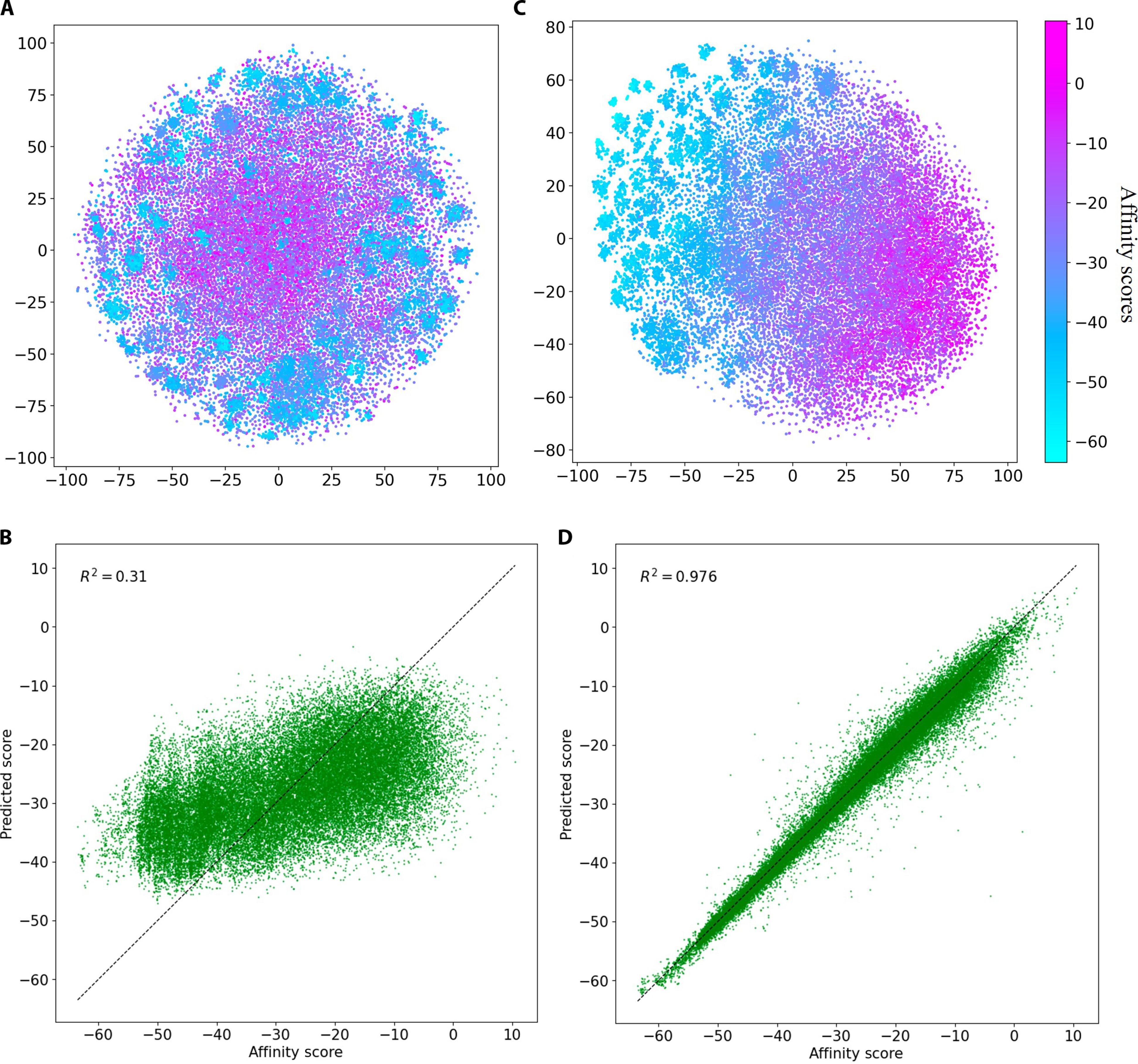
De novo peptide design exhibits great potential in materials engineering, particularly for the use of plastic-binding peptides to help remediate microplastic pollution. There are no known peptide binders for many plastics—a gap that can be filled with de novo design. Current computational methods for peptide design exhibit limitations in sampling and scaling that could be addressed with quantum computing. Hybrid quantum-classical methods can leverage complementary strengths of near-term quantum algorithms and classical techniques for complex tasks like peptide design. This work introduces a hybrid quantum-classical generative framework for designing plastic-binding peptides combining variational quantum circuits with a variational autoencoder network. We demonstrate the framework’s effectiveness in generating peptide candidates, evaluate its efficiency for property-oriented design, and validate the candidates with molecular dynamics simulations. This quantum computing–based approach could accelerate the development of biomolecular tools for environmental and biomedical applications while advancing the study of biomolecular systems through quantum technologies.
期刊介绍:
Science Advances, an open-access journal by AAAS, publishes impactful research in diverse scientific areas. It aims for fair, fast, and expert peer review, providing freely accessible research to readers. Led by distinguished scientists, the journal supports AAAS's mission by extending Science magazine's capacity to identify and promote significant advances. Evolving digital publishing technologies play a crucial role in advancing AAAS's global mission for science communication and benefitting humankind.




 京公网安备 11010802042870号
京ICP备2023020795号-1
京公网安备 11010802042870号
京ICP备2023020795号-1

 分享
分享
 求助内容:
求助内容: 应助结果提醒方式:
 扫码关注我们
