Jonas Peltner, Cornelia Becker, Julia Wicherski, Silja Wortberg, Mohamed Aborageh, Inês Costa, Vera Ehrenstein, Joana Fernandes, Steffen Heß, Erzsébet Horváth-Puhó, Monika Roberta Korcinska Handest, Manuel Lentzen, Peggy Maguire, Niels Henrik Meedom, Rebecca Moore, Vanessa Moore, Dávid Nagy, Hillary McNamara, Anne Paakinaho, Kerstin Pfeifer, Liisa Pylkkänen, Blair Rajamaki, Evy Reviers, Christoph Röthlein, Martin Russek, Célia Silva, Dirk De Valck, Thuan Vo, Elvira Bräuner, Holger Fröhlich, Cláudia Furtado, Sirpa Hartikainen, Aleksi Kallio, Anna-Maija Tolppanen, Britta Haenisch
{"title":"The EU project Real4Reg: unlocking real-world data with AI.","authors":"Jonas Peltner, Cornelia Becker, Julia Wicherski, Silja Wortberg, Mohamed Aborageh, Inês Costa, Vera Ehrenstein, Joana Fernandes, Steffen Heß, Erzsébet Horváth-Puhó, Monika Roberta Korcinska Handest, Manuel Lentzen, Peggy Maguire, Niels Henrik Meedom, Rebecca Moore, Vanessa Moore, Dávid Nagy, Hillary McNamara, Anne Paakinaho, Kerstin Pfeifer, Liisa Pylkkänen, Blair Rajamaki, Evy Reviers, Christoph Röthlein, Martin Russek, Célia Silva, Dirk De Valck, Thuan Vo, Elvira Bräuner, Holger Fröhlich, Cláudia Furtado, Sirpa Hartikainen, Aleksi Kallio, Anna-Maija Tolppanen, Britta Haenisch","doi":"10.1186/s12961-025-01287-y","DOIUrl":null,"url":null,"abstract":"<p><strong>Background: </strong>The use of real-world data is established in post-authorization regulatory processes such as pharmacovigilance of drugs and medical devices, but is still frequently challenged in the pre-authorization phase of medicinal products. In addition, the use of real-world data, even in post-authorization steps, is constrained by the availability and heterogeneity of real-world data and by challenges in analysing data from different settings and sources. Moreover, there are emerging opportunities in the use of artificial intelligence in healthcare research, but also a lack of knowledge on its appropriate application to heterogeneous real-world data sources to increase evidentiary value in the regulatory decision-making and health technology assessment context.</p><p><strong>Methods: </strong>The Real4Reg project aims to enable the use of real-world data by developing user-friendly solutions for the data analytical needs of health regulatory and health technology assessment bodies across the European Union. These include artificial intelligence algorithms for the effective analysis of real-world data in regulatory decision-making and health technology assessment. The project aims to investigate the value of real-world data from different sources to generate high-quality, accessible, population-based information relevant along the product life cycle. A total of four use cases are used to provide good practice examples for analyses of real-world data for the evaluation and pre-authorization stage, the improvement of methods for external validity in observational data, for post-authorization safety studies and comparative effectiveness using real-world data. This position paper introduces the objectives and structure of the Real4Reg project and discusses its important role in the context of existing European projects focussing on real-world data.</p><p><strong>Discussion: </strong>Real4Reg focusses on the identification and description of benefits and risks of new and optimized methods in real-world data analysis including aspects of safety, effectiveness, interoperability, appropriateness, accessibility, comparative value creation and sustainability. The project's results will support better decision-making about medicines and benefit patients' health. Trial registration Real4Reg is registered in the HMA-EMA Catalogues of real-world data sources and studies (EU PAS number EUPAS105544).</p>","PeriodicalId":12870,"journal":{"name":"Health Research Policy and Systems","volume":"23 1","pages":"27"},"PeriodicalIF":3.2000,"publicationDate":"2025-02-27","publicationTypes":"Journal Article","fieldsOfStudy":null,"isOpenAccess":false,"openAccessPdf":"https://www.ncbi.nlm.nih.gov/pmc/articles/PMC11869640/pdf/","citationCount":"0","resultStr":null,"platform":"Semanticscholar","paperid":null,"PeriodicalName":"Health Research Policy and Systems","FirstCategoryId":"3","ListUrlMain":"https://doi.org/10.1186/s12961-025-01287-y","RegionNum":2,"RegionCategory":"医学","ArticlePicture":[],"TitleCN":null,"AbstractTextCN":null,"PMCID":null,"EPubDate":"","PubModel":"","JCR":"Q1","JCRName":"HEALTH POLICY & SERVICES","Score":null,"Total":0}
引用次数: 0
Abstract
Background: The use of real-world data is established in post-authorization regulatory processes such as pharmacovigilance of drugs and medical devices, but is still frequently challenged in the pre-authorization phase of medicinal products. In addition, the use of real-world data, even in post-authorization steps, is constrained by the availability and heterogeneity of real-world data and by challenges in analysing data from different settings and sources. Moreover, there are emerging opportunities in the use of artificial intelligence in healthcare research, but also a lack of knowledge on its appropriate application to heterogeneous real-world data sources to increase evidentiary value in the regulatory decision-making and health technology assessment context.
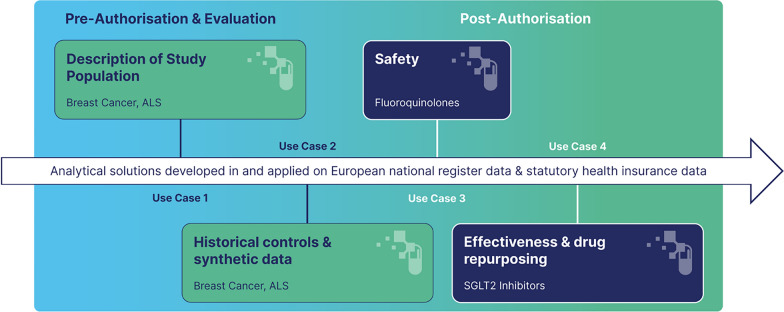
Methods: The Real4Reg project aims to enable the use of real-world data by developing user-friendly solutions for the data analytical needs of health regulatory and health technology assessment bodies across the European Union. These include artificial intelligence algorithms for the effective analysis of real-world data in regulatory decision-making and health technology assessment. The project aims to investigate the value of real-world data from different sources to generate high-quality, accessible, population-based information relevant along the product life cycle. A total of four use cases are used to provide good practice examples for analyses of real-world data for the evaluation and pre-authorization stage, the improvement of methods for external validity in observational data, for post-authorization safety studies and comparative effectiveness using real-world data. This position paper introduces the objectives and structure of the Real4Reg project and discusses its important role in the context of existing European projects focussing on real-world data.
Discussion: Real4Reg focusses on the identification and description of benefits and risks of new and optimized methods in real-world data analysis including aspects of safety, effectiveness, interoperability, appropriateness, accessibility, comparative value creation and sustainability. The project's results will support better decision-making about medicines and benefit patients' health. Trial registration Real4Reg is registered in the HMA-EMA Catalogues of real-world data sources and studies (EU PAS number EUPAS105544).
期刊介绍:
Health Research Policy and Systems is an Open Access, peer-reviewed, online journal that aims to provide a platform for the global research community to share their views, findings, insights and successes. Health Research Policy and Systems considers manuscripts that investigate the role of evidence-based health policy and health research systems in ensuring the efficient utilization and application of knowledge to improve health and health equity, especially in developing countries. Research is the foundation for improvements in public health. The problem is that people involved in different areas of research, together with managers and administrators in charge of research entities, do not communicate sufficiently with each other.




 京公网安备 11010802042870号
京ICP备2023020795号-1
京公网安备 11010802042870号
京ICP备2023020795号-1

 分享
分享
 求助内容:
求助内容: 应助结果提醒方式:
 扫码关注我们
