The role of periodontal treatment on the reduction of hemoglobinA1c, comparing with existing medication therapy: a systematic review and meta-analysis.
{"title":"The role of periodontal treatment on the reduction of hemoglobinA1c, comparing with existing medication therapy: a systematic review and meta-analysis.","authors":"Yojiro Umezaki, Akiko Yamashita, Fusanori Nishimura, Toru Naito","doi":"10.3389/fcdhc.2025.1541145","DOIUrl":null,"url":null,"abstract":"<p><strong>Background: </strong>Diabetes mellitus (DM) is linked to complications such as retinopathy, nephropathy, neuropathy, and cardiovascular disease, impacting patient quality of life and increasing healthcare costs. Periodontal disease, more prevalent in diabetic patients, is associated with worsened glycemic control and systemic inflammation, suggesting a possible bidirectional relationship. While some studies indicate periodontal treatment may improve glycemic control and reduce inflammation, overall evidence is inconsistent. It remains unclear if periodontal therapy reliably enhances diabetes outcomes or if certain patient subgroups benefit more than others.</p><p><strong>Objective: </strong>To systematically review randomized controlled trials (RCTs) evaluating the effects of periodontal therapy on glycemic control (HbA1c) and systemic inflammation (CRP) in type 1 and type 2 diabetes patients.</p><p><strong>Methods: </strong>Following PRISMA guidelines, a comprehensive PubMed search identified RCTs comparing HbA1c and CRP outcomes in diabetic patients with periodontal therapy versus controls. Inclusion criteria required at least three to six months of follow-up. Meta-analyses using a random effects model were conducted for HbA1c and CRP changes.</p><p><strong>Results: </strong>Eleven studies met inclusion criteria. Meta-analyses showed significant reductions in HbA1c at three months (-0.64; CI95%=-0.96 to -0.32; I2 = 73%) and six months (-0.33; CI95%=-0.65 to -0.01; I2 = 12%). CRP also declined significantly, indicating an improvement in systemic inflammation.</p><p><strong>Conclusion: </strong>Periodontal therapy appears to significantly reduce HbA1c and CRP levels over short-term periods in diabetic patients, suggesting potential as a beneficial adjunct to diabetes management. These findings support incorporating periodontal care into diabetes treatment to reduce systemic inflammation and potentially lower healthcare costs. Future long-term, standardized RCTs are needed to confirm sustained effects and investigate responses in diverse patient populations.</p>","PeriodicalId":73075,"journal":{"name":"Frontiers in clinical diabetes and healthcare","volume":"6 ","pages":"1541145"},"PeriodicalIF":2.2000,"publicationDate":"2025-02-25","publicationTypes":"Journal Article","fieldsOfStudy":null,"isOpenAccess":false,"openAccessPdf":"https://www.ncbi.nlm.nih.gov/pmc/articles/PMC11893427/pdf/","citationCount":"0","resultStr":null,"platform":"Semanticscholar","paperid":null,"PeriodicalName":"Frontiers in clinical diabetes and healthcare","FirstCategoryId":"1085","ListUrlMain":"https://doi.org/10.3389/fcdhc.2025.1541145","RegionNum":0,"RegionCategory":null,"ArticlePicture":[],"TitleCN":null,"AbstractTextCN":null,"PMCID":null,"EPubDate":"2025/1/1 0:00:00","PubModel":"eCollection","JCR":"","JCRName":"","Score":null,"Total":0}
引用次数: 0
Abstract
Background: Diabetes mellitus (DM) is linked to complications such as retinopathy, nephropathy, neuropathy, and cardiovascular disease, impacting patient quality of life and increasing healthcare costs. Periodontal disease, more prevalent in diabetic patients, is associated with worsened glycemic control and systemic inflammation, suggesting a possible bidirectional relationship. While some studies indicate periodontal treatment may improve glycemic control and reduce inflammation, overall evidence is inconsistent. It remains unclear if periodontal therapy reliably enhances diabetes outcomes or if certain patient subgroups benefit more than others.
Objective: To systematically review randomized controlled trials (RCTs) evaluating the effects of periodontal therapy on glycemic control (HbA1c) and systemic inflammation (CRP) in type 1 and type 2 diabetes patients.
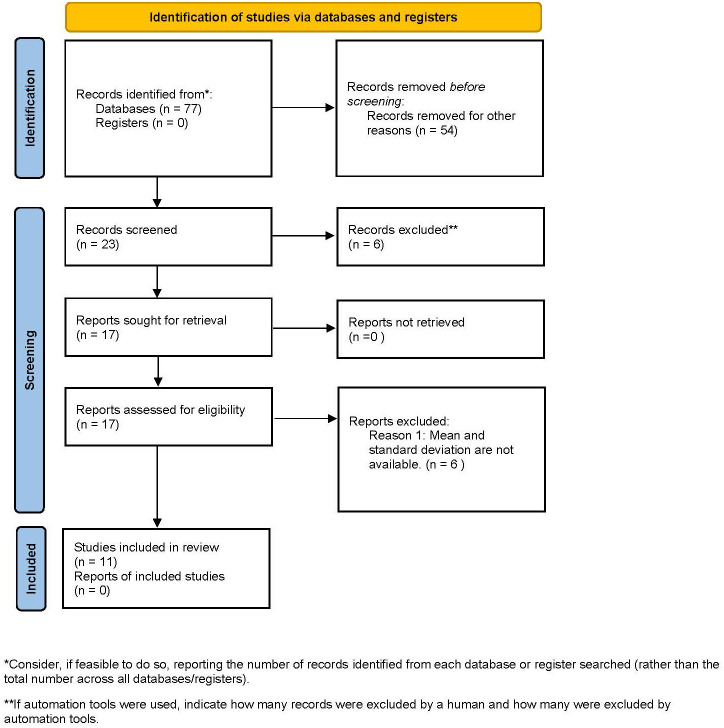
Methods: Following PRISMA guidelines, a comprehensive PubMed search identified RCTs comparing HbA1c and CRP outcomes in diabetic patients with periodontal therapy versus controls. Inclusion criteria required at least three to six months of follow-up. Meta-analyses using a random effects model were conducted for HbA1c and CRP changes.
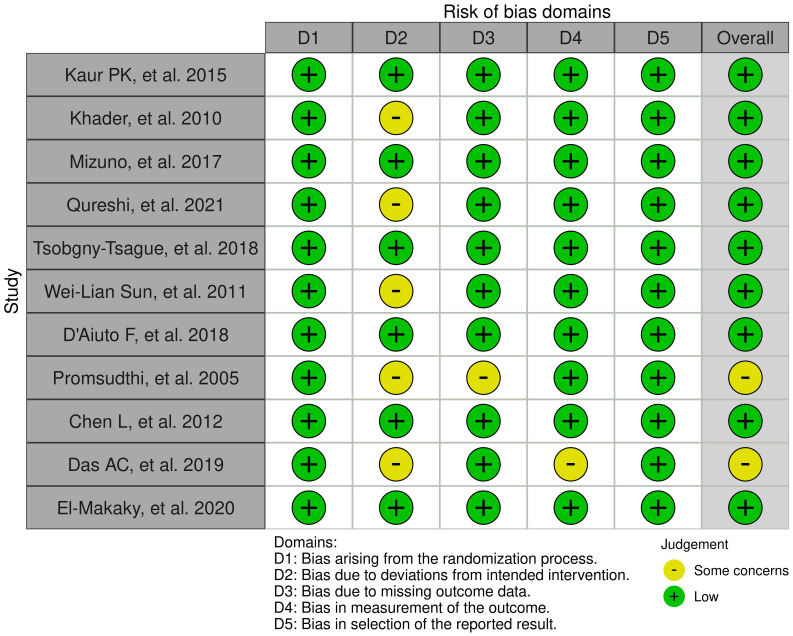
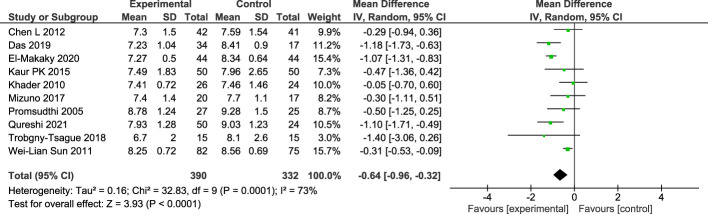
Results: Eleven studies met inclusion criteria. Meta-analyses showed significant reductions in HbA1c at three months (-0.64; CI95%=-0.96 to -0.32; I2 = 73%) and six months (-0.33; CI95%=-0.65 to -0.01; I2 = 12%). CRP also declined significantly, indicating an improvement in systemic inflammation.
Conclusion: Periodontal therapy appears to significantly reduce HbA1c and CRP levels over short-term periods in diabetic patients, suggesting potential as a beneficial adjunct to diabetes management. These findings support incorporating periodontal care into diabetes treatment to reduce systemic inflammation and potentially lower healthcare costs. Future long-term, standardized RCTs are needed to confirm sustained effects and investigate responses in diverse patient populations.



 京公网安备 11010802042870号
京ICP备2023020795号-1
京公网安备 11010802042870号
京ICP备2023020795号-1

 分享
分享

 求助内容:
求助内容: 应助结果提醒方式:
 扫码关注我们
