Mahamadé Goubgou, Laurencia T Songré-Ouattara, Fabrice Bationo, Hagrétou Lingani-Sawadogo, Yves Traoré, Aly Savadogo
{"title":"Biscuits: a systematic review and meta-analysis of improving the nutritional quality and health benefits.","authors":"Mahamadé Goubgou, Laurencia T Songré-Ouattara, Fabrice Bationo, Hagrétou Lingani-Sawadogo, Yves Traoré, Aly Savadogo","doi":"10.1186/s43014-021-00071-z","DOIUrl":null,"url":null,"abstract":"<p><p>Biscuits are ready-to-eat foods that are traditionally prepared mainly with wheat flour, fat, and sugar. Recently, biscuits' technologies have been rapidly developed to improve their nutritional properties. This study aimed to determine the strategies of improving the nutritional quality of biscuits and the potential health benefits associated with them. A systematic review and meta-analysis were conducted, including articles on biscuits improved by technological processes and raw materials variation. Studies were searched from Google Scholar, PubMed, Scopus, and Web of Science published between 1997 and 2020, in English and French. The meta-analysis was performed using RStudio software, version 4.0.4 to classify the biscuits. One hundred and seven eligible articles were identified. Rice, pea, potato, sorghum, buckwheat, and flaxseed flours were respectively the most found substitutes to wheat flour. But the meta-analysis shown that the copra and foxtail millet biscuit fortified with amaranth, the wheat biscuits fortified with okra, and rice biscuits fortified with soybeans had a high protein content. These biscuits therefore have a potential to be used as complementary foods. The substitution of sugar and fat by several substitutes lead to a decrease in carbohydrates, fat, and energy value. It has also brought about an increase in other nutrients such as dietary fiber, proteins/amino acids, fatty acids, and phenolic compounds. Among the sugar and fat substitutes, stevia and inulin were respectively the most used. Regarding the use of biscuits in clinical trials, they were mainly used for addressing micronutrient deficiency and for weight loss.</p>","PeriodicalId":12395,"journal":{"name":"Food Production, Processing and Nutrition","volume":" ","pages":"26"},"PeriodicalIF":5.7000,"publicationDate":"2021-01-01","publicationTypes":"Journal Article","fieldsOfStudy":null,"isOpenAccess":false,"openAccessPdf":"https://www.ncbi.nlm.nih.gov/pmc/articles/PMC8483942/pdf/","citationCount":"0","resultStr":null,"platform":"Semanticscholar","paperid":null,"PeriodicalName":"Food Production, Processing and Nutrition","FirstCategoryId":"1085","ListUrlMain":"https://doi.org/10.1186/s43014-021-00071-z","RegionNum":3,"RegionCategory":"农林科学","ArticlePicture":[],"TitleCN":null,"AbstractTextCN":null,"PMCID":null,"EPubDate":"2021/10/1 0:00:00","PubModel":"Epub","JCR":"Q2","JCRName":"FOOD SCIENCE & TECHNOLOGY","Score":null,"Total":0}
引用次数: 0
Abstract
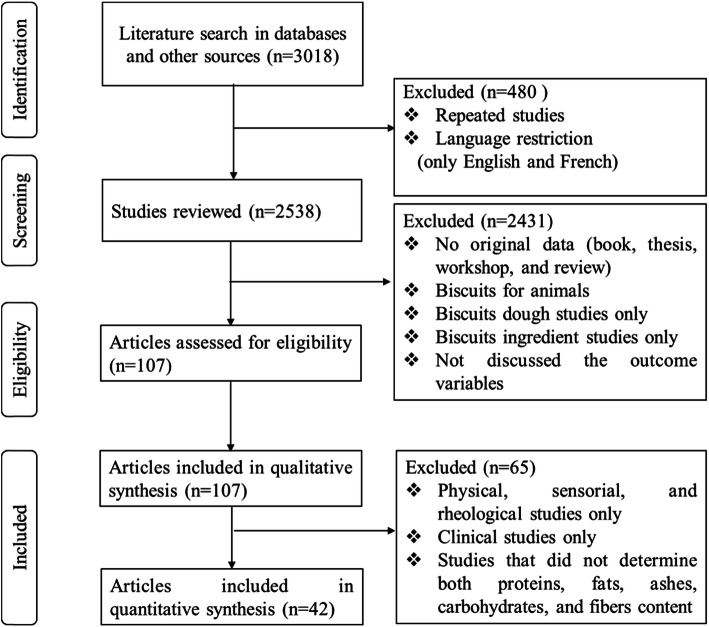
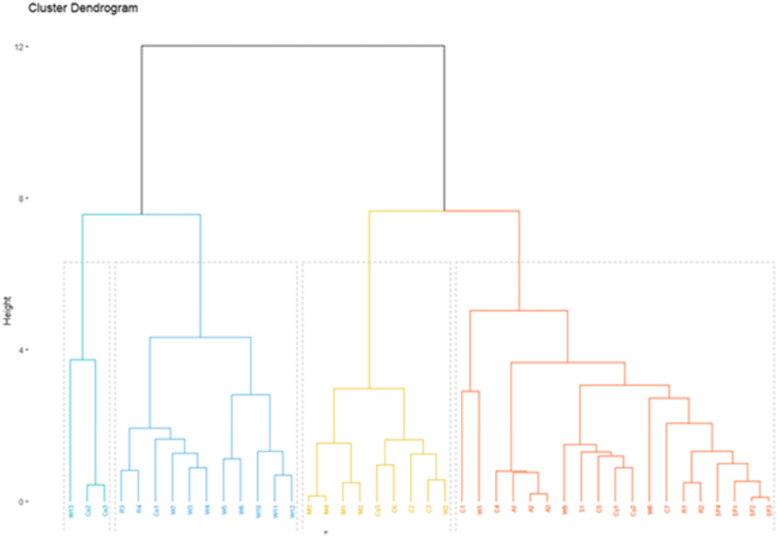
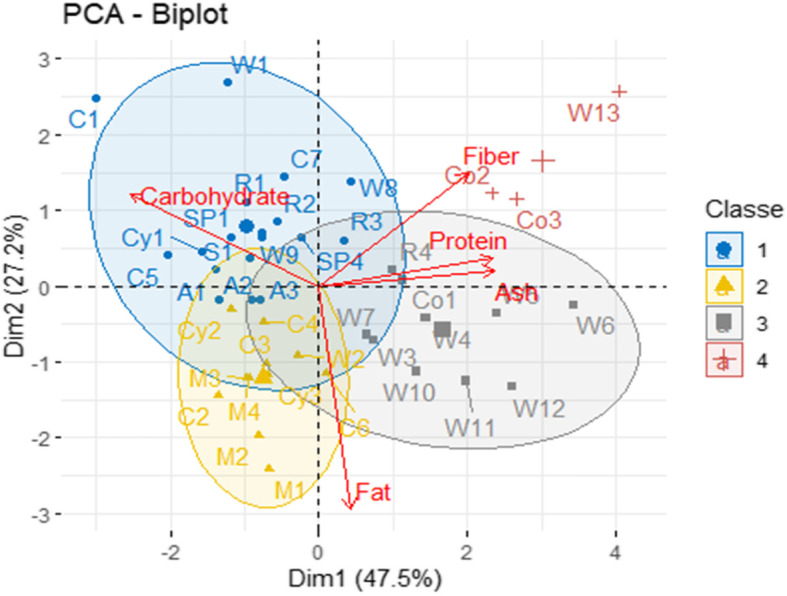
Biscuits are ready-to-eat foods that are traditionally prepared mainly with wheat flour, fat, and sugar. Recently, biscuits' technologies have been rapidly developed to improve their nutritional properties. This study aimed to determine the strategies of improving the nutritional quality of biscuits and the potential health benefits associated with them. A systematic review and meta-analysis were conducted, including articles on biscuits improved by technological processes and raw materials variation. Studies were searched from Google Scholar, PubMed, Scopus, and Web of Science published between 1997 and 2020, in English and French. The meta-analysis was performed using RStudio software, version 4.0.4 to classify the biscuits. One hundred and seven eligible articles were identified. Rice, pea, potato, sorghum, buckwheat, and flaxseed flours were respectively the most found substitutes to wheat flour. But the meta-analysis shown that the copra and foxtail millet biscuit fortified with amaranth, the wheat biscuits fortified with okra, and rice biscuits fortified with soybeans had a high protein content. These biscuits therefore have a potential to be used as complementary foods. The substitution of sugar and fat by several substitutes lead to a decrease in carbohydrates, fat, and energy value. It has also brought about an increase in other nutrients such as dietary fiber, proteins/amino acids, fatty acids, and phenolic compounds. Among the sugar and fat substitutes, stevia and inulin were respectively the most used. Regarding the use of biscuits in clinical trials, they were mainly used for addressing micronutrient deficiency and for weight loss.
饼干是一种即食食品,传统上主要由小麦粉、脂肪和糖制成。最近,饼干的技术得到了迅速发展,以改善其营养特性。本研究旨在确定提高饼干营养质量的策略以及与之相关的潜在健康益处。我们进行了系统的回顾和荟萃分析,包括通过工艺流程和原料变化改进饼干的文章。从谷歌Scholar、PubMed、Scopus和Web of Science检索了1997年至2020年间发表的英语和法语研究。meta分析采用RStudio 4.0.4版软件对饼干进行分类。确定了107篇符合条件的文章。大米、豌豆、土豆、高粱、荞麦和亚麻籽粉分别是发现最多的小麦粉替代品。但meta分析显示,添加苋菜的干尾小米饼干、添加秋葵的小麦饼干和添加大豆的大米饼干的蛋白质含量较高。因此,这些饼干有可能被用作辅食。用几种替代品代替糖和脂肪会导致碳水化合物、脂肪和能量的减少。它还带来了其他营养物质的增加,如膳食纤维、蛋白质/氨基酸、脂肪酸和酚类化合物。在糖和脂肪替代品中,甜叶菊和菊粉分别使用最多。关于饼干在临床试验中的使用,主要用于解决微量营养素缺乏症和减肥。



 京公网安备 11010802042870号
京ICP备2023020795号-1
京公网安备 11010802042870号
京ICP备2023020795号-1

 分享
分享
 求助内容:
求助内容: 应助结果提醒方式:
 扫码关注我们
