{"title":"变革性人工智能带来的生存风险:经济学视角","authors":"J. Growiec","doi":"10.3846/tede.2024.21525","DOIUrl":null,"url":null,"abstract":"The prospective arrival of transformative artificial intelligence (TAI) will be a filter for the human civilization – a threshold beyond which it will either strongly accelerate its growth, or vanish. Historical evidence on technological progress in AI capabilities and economic incentives to pursue it suggest that TAI will most likely be developed in just one to four decades. In contrast, theoretical problems of AI alignment, needed to be solved in order for TAI to be “friendly” towards humans rather than cause our extinction, appear difficult and impossible to solve by mechanically increasing the amount of compute. This means that transformative AI poses an imminent existential risk to the humankind which ought to be urgently addressed. Starting from this premise, this paper provides new economic perspectives on discussions surrounding the issue: whether addressing existential risks is cost effective and fair towards the contemporary poor, whether it constitutes “Pascal’s mugging”, how to quantify risks that have never materialized in the past, how discounting affects our assessment of existential risk, and how to include the prospects of upcoming singularity in economic forecasts. The paper also suggests possible policy actions, such as ramping up public funding on research on existential risks and AI safety, and improving regulation of the AI sector, preferably within a global policy framework.","PeriodicalId":4,"journal":{"name":"ACS Applied Energy Materials","volume":"20 8","pages":""},"PeriodicalIF":5.5000,"publicationDate":"2024-07-10","publicationTypes":"Journal Article","fieldsOfStudy":null,"isOpenAccess":false,"openAccessPdf":"","citationCount":"0","resultStr":"{\"title\":\"EXISTENTIAL RISK FROM TRANSFORMATIVE AI: AN ECONOMIC PERSPECTIVE\",\"authors\":\"J. Growiec\",\"doi\":\"10.3846/tede.2024.21525\",\"DOIUrl\":null,\"url\":null,\"abstract\":\"The prospective arrival of transformative artificial intelligence (TAI) will be a filter for the human civilization – a threshold beyond which it will either strongly accelerate its growth, or vanish. Historical evidence on technological progress in AI capabilities and economic incentives to pursue it suggest that TAI will most likely be developed in just one to four decades. In contrast, theoretical problems of AI alignment, needed to be solved in order for TAI to be “friendly” towards humans rather than cause our extinction, appear difficult and impossible to solve by mechanically increasing the amount of compute. This means that transformative AI poses an imminent existential risk to the humankind which ought to be urgently addressed. Starting from this premise, this paper provides new economic perspectives on discussions surrounding the issue: whether addressing existential risks is cost effective and fair towards the contemporary poor, whether it constitutes “Pascal’s mugging”, how to quantify risks that have never materialized in the past, how discounting affects our assessment of existential risk, and how to include the prospects of upcoming singularity in economic forecasts. The paper also suggests possible policy actions, such as ramping up public funding on research on existential risks and AI safety, and improving regulation of the AI sector, preferably within a global policy framework.\",\"PeriodicalId\":4,\"journal\":{\"name\":\"ACS Applied Energy Materials\",\"volume\":\"20 8\",\"pages\":\"\"},\"PeriodicalIF\":5.5000,\"publicationDate\":\"2024-07-10\",\"publicationTypes\":\"Journal Article\",\"fieldsOfStudy\":null,\"isOpenAccess\":false,\"openAccessPdf\":\"\",\"citationCount\":\"0\",\"resultStr\":null,\"platform\":\"Semanticscholar\",\"paperid\":null,\"PeriodicalName\":\"ACS Applied Energy Materials\",\"FirstCategoryId\":\"96\",\"ListUrlMain\":\"https://doi.org/10.3846/tede.2024.21525\",\"RegionNum\":3,\"RegionCategory\":\"材料科学\",\"ArticlePicture\":[],\"TitleCN\":null,\"AbstractTextCN\":null,\"PMCID\":null,\"EPubDate\":\"\",\"PubModel\":\"\",\"JCR\":\"Q2\",\"JCRName\":\"CHEMISTRY, PHYSICAL\",\"Score\":null,\"Total\":0}","platform":"Semanticscholar","paperid":null,"PeriodicalName":"ACS Applied Energy Materials","FirstCategoryId":"96","ListUrlMain":"https://doi.org/10.3846/tede.2024.21525","RegionNum":3,"RegionCategory":"材料科学","ArticlePicture":[],"TitleCN":null,"AbstractTextCN":null,"PMCID":null,"EPubDate":"","PubModel":"","JCR":"Q2","JCRName":"CHEMISTRY, PHYSICAL","Score":null,"Total":0}
引用次数: 0
摘要
变革性人工智能(TAI)的到来将成为人类文明的一个过滤器--超越这个门槛,人类文明要么加速发展,要么消失殆尽。人工智能能力技术进步的历史证据以及追求人工智能的经济动机表明,TAI 很可能在短短一到四十年内得到发展。与此相反,为了让 TAI 对人类 "友好 "而不是导致人类灭绝,需要解决的人工智能协调理论问题似乎很难,也不可能通过机械地增加计算量来解决。这意味着变革性人工智能对人类的生存构成了迫在眉睫的风险,亟待解决。从这一前提出发,本文为围绕这一问题的讨论提供了新的经济视角:应对生存风险是否具有成本效益,对当代穷人是否公平,是否构成 "帕斯卡抢劫",如何量化过去从未实现的风险,贴现如何影响我们对生存风险的评估,以及如何将即将到来的奇点前景纳入经济预测。论文还提出了可能的政策行动建议,如增加对存在性风险和人工智能安全研究的公共资金投入,改善对人工智能行业的监管,最好是在全球政策框架内进行。
EXISTENTIAL RISK FROM TRANSFORMATIVE AI: AN ECONOMIC PERSPECTIVE
The prospective arrival of transformative artificial intelligence (TAI) will be a filter for the human civilization – a threshold beyond which it will either strongly accelerate its growth, or vanish. Historical evidence on technological progress in AI capabilities and economic incentives to pursue it suggest that TAI will most likely be developed in just one to four decades. In contrast, theoretical problems of AI alignment, needed to be solved in order for TAI to be “friendly” towards humans rather than cause our extinction, appear difficult and impossible to solve by mechanically increasing the amount of compute. This means that transformative AI poses an imminent existential risk to the humankind which ought to be urgently addressed. Starting from this premise, this paper provides new economic perspectives on discussions surrounding the issue: whether addressing existential risks is cost effective and fair towards the contemporary poor, whether it constitutes “Pascal’s mugging”, how to quantify risks that have never materialized in the past, how discounting affects our assessment of existential risk, and how to include the prospects of upcoming singularity in economic forecasts. The paper also suggests possible policy actions, such as ramping up public funding on research on existential risks and AI safety, and improving regulation of the AI sector, preferably within a global policy framework.
期刊介绍:
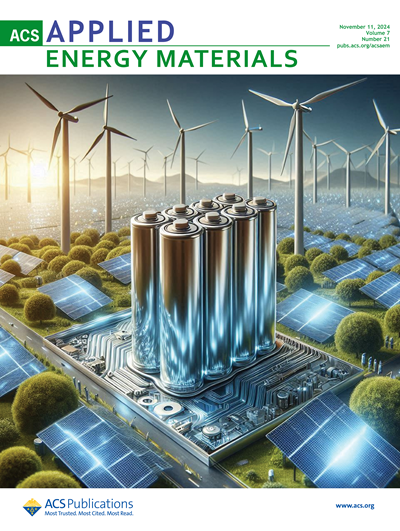
ACS Applied Energy Materials is an interdisciplinary journal publishing original research covering all aspects of materials, engineering, chemistry, physics and biology relevant to energy conversion and storage. The journal is devoted to reports of new and original experimental and theoretical research of an applied nature that integrate knowledge in the areas of materials, engineering, physics, bioscience, and chemistry into important energy applications.




 京公网安备 11010802042870号
京ICP备2023020795号-1
京公网安备 11010802042870号
京ICP备2023020795号-1

 分享
分享
 求助内容:
求助内容: 应助结果提醒方式:
 扫码关注我们
