{"title":"在可预测和不可预测的慢性轻度应激状态下,长期服用艾司西酞普兰对大鼠海马CA1区长期电位的影响","authors":"Vajihe Saedi Marghmaleki, Maryam Radahmadi, Hojjatallah Alaei, Hossein Khanahmad","doi":"10.1007/s11011-024-01399-4","DOIUrl":null,"url":null,"abstract":"<p><p>Exposure to chronic stress impairs memory. Also, escitalopram's impact on memory remains paradoxical. Therefore, this study examined how prolonged escitalopram administration affects input-output (I/O) functions, paired-pulse ratio (PPR), and long-term potentiation (LTP) in the hippocampal CA1 area in rats that underwent predictable and unpredictable chronic mild stress (PCMS and UCMS, respectively). Male rats were randomly assigned to different groups of control (Co), sham (Sh), PCMS and UCMS (PSt and USt, respectively; 2 h/day, for 21 consecutive days), escitalopram (Esc; 10 mg/kg, i.p., for 21 days), as well as PCMS and UCMS with escitalopram (PSt-Esc and USt-Esc, respectively). The fEPSP slope, amplitude, and area under the curve (AUC) were assessed in the hippocampal CA1 area using I/O functions, PP responses, and LTP. Serum corticosterone (CORT) levels were quantified in all experimental animals. The slope, amplitude, and AUC of fEPSP in the I/O functions, and all three PP phases prior and subsequent to LTP induction significantly declined in the USt and PSt groups. Escitalopram significantly enhanced these parameters in the PSt-Esc, but not in the USt-Esc group. Serum CORT levels corroborated the electrophysiological findings among experimental groups. Both PCMS and UCMS impaired neural excitability, neurotransmission, and memory within the hippocampal CA1 area. Escitalopram improved memory impairment only under PCMS, potentially attributed to reduced serum CORT levels. However, no influence on neural excitability, neurotransmission, and memory was observed under UCMS. This suggests different escitalopram doses might be required to ameliorate simultaneous mechanisms in response to various types of chronic mild stress.</p>","PeriodicalId":18685,"journal":{"name":"Metabolic brain disease","volume":" ","pages":"1481-1494"},"PeriodicalIF":3.8000,"publicationDate":"2024-12-01","publicationTypes":"Journal Article","fieldsOfStudy":null,"isOpenAccess":false,"openAccessPdf":"","citationCount":"0","resultStr":"{\"title\":\"Effects of prolonged escitalopram administration on long-term potentiation within the hippocampal CA1 area in rats under predictable and unpredictable chronic mild stress.\",\"authors\":\"Vajihe Saedi Marghmaleki, Maryam Radahmadi, Hojjatallah Alaei, Hossein Khanahmad\",\"doi\":\"10.1007/s11011-024-01399-4\",\"DOIUrl\":null,\"url\":null,\"abstract\":\"<p><p>Exposure to chronic stress impairs memory. Also, escitalopram's impact on memory remains paradoxical. Therefore, this study examined how prolonged escitalopram administration affects input-output (I/O) functions, paired-pulse ratio (PPR), and long-term potentiation (LTP) in the hippocampal CA1 area in rats that underwent predictable and unpredictable chronic mild stress (PCMS and UCMS, respectively). Male rats were randomly assigned to different groups of control (Co), sham (Sh), PCMS and UCMS (PSt and USt, respectively; 2 h/day, for 21 consecutive days), escitalopram (Esc; 10 mg/kg, i.p., for 21 days), as well as PCMS and UCMS with escitalopram (PSt-Esc and USt-Esc, respectively). The fEPSP slope, amplitude, and area under the curve (AUC) were assessed in the hippocampal CA1 area using I/O functions, PP responses, and LTP. Serum corticosterone (CORT) levels were quantified in all experimental animals. The slope, amplitude, and AUC of fEPSP in the I/O functions, and all three PP phases prior and subsequent to LTP induction significantly declined in the USt and PSt groups. Escitalopram significantly enhanced these parameters in the PSt-Esc, but not in the USt-Esc group. Serum CORT levels corroborated the electrophysiological findings among experimental groups. Both PCMS and UCMS impaired neural excitability, neurotransmission, and memory within the hippocampal CA1 area. Escitalopram improved memory impairment only under PCMS, potentially attributed to reduced serum CORT levels. However, no influence on neural excitability, neurotransmission, and memory was observed under UCMS. This suggests different escitalopram doses might be required to ameliorate simultaneous mechanisms in response to various types of chronic mild stress.</p>\",\"PeriodicalId\":18685,\"journal\":{\"name\":\"Metabolic brain disease\",\"volume\":\" \",\"pages\":\"1481-1494\"},\"PeriodicalIF\":3.8000,\"publicationDate\":\"2024-12-01\",\"publicationTypes\":\"Journal Article\",\"fieldsOfStudy\":null,\"isOpenAccess\":false,\"openAccessPdf\":\"\",\"citationCount\":\"0\",\"resultStr\":null,\"platform\":\"Semanticscholar\",\"paperid\":null,\"PeriodicalName\":\"Metabolic brain disease\",\"FirstCategoryId\":\"3\",\"ListUrlMain\":\"https://doi.org/10.1007/s11011-024-01399-4\",\"RegionNum\":3,\"RegionCategory\":\"医学\",\"ArticlePicture\":[],\"TitleCN\":null,\"AbstractTextCN\":null,\"PMCID\":null,\"EPubDate\":\"2024/9/6 0:00:00\",\"PubModel\":\"Epub\",\"JCR\":\"Q2\",\"JCRName\":\"ENDOCRINOLOGY & METABOLISM\",\"Score\":null,\"Total\":0}","platform":"Semanticscholar","paperid":null,"PeriodicalName":"Metabolic brain disease","FirstCategoryId":"3","ListUrlMain":"https://doi.org/10.1007/s11011-024-01399-4","RegionNum":3,"RegionCategory":"医学","ArticlePicture":[],"TitleCN":null,"AbstractTextCN":null,"PMCID":null,"EPubDate":"2024/9/6 0:00:00","PubModel":"Epub","JCR":"Q2","JCRName":"ENDOCRINOLOGY & METABOLISM","Score":null,"Total":0}
Effects of prolonged escitalopram administration on long-term potentiation within the hippocampal CA1 area in rats under predictable and unpredictable chronic mild stress.
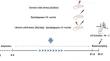
Exposure to chronic stress impairs memory. Also, escitalopram's impact on memory remains paradoxical. Therefore, this study examined how prolonged escitalopram administration affects input-output (I/O) functions, paired-pulse ratio (PPR), and long-term potentiation (LTP) in the hippocampal CA1 area in rats that underwent predictable and unpredictable chronic mild stress (PCMS and UCMS, respectively). Male rats were randomly assigned to different groups of control (Co), sham (Sh), PCMS and UCMS (PSt and USt, respectively; 2 h/day, for 21 consecutive days), escitalopram (Esc; 10 mg/kg, i.p., for 21 days), as well as PCMS and UCMS with escitalopram (PSt-Esc and USt-Esc, respectively). The fEPSP slope, amplitude, and area under the curve (AUC) were assessed in the hippocampal CA1 area using I/O functions, PP responses, and LTP. Serum corticosterone (CORT) levels were quantified in all experimental animals. The slope, amplitude, and AUC of fEPSP in the I/O functions, and all three PP phases prior and subsequent to LTP induction significantly declined in the USt and PSt groups. Escitalopram significantly enhanced these parameters in the PSt-Esc, but not in the USt-Esc group. Serum CORT levels corroborated the electrophysiological findings among experimental groups. Both PCMS and UCMS impaired neural excitability, neurotransmission, and memory within the hippocampal CA1 area. Escitalopram improved memory impairment only under PCMS, potentially attributed to reduced serum CORT levels. However, no influence on neural excitability, neurotransmission, and memory was observed under UCMS. This suggests different escitalopram doses might be required to ameliorate simultaneous mechanisms in response to various types of chronic mild stress.
期刊介绍:
Metabolic Brain Disease serves as a forum for the publication of outstanding basic and clinical papers on all metabolic brain disease, including both human and animal studies. The journal publishes papers on the fundamental pathogenesis of these disorders and on related experimental and clinical techniques and methodologies. Metabolic Brain Disease is directed to physicians, neuroscientists, internists, psychiatrists, neurologists, pathologists, and others involved in the research and treatment of a broad range of metabolic brain disorders.




 京公网安备 11010802042870号
京ICP备2023020795号-1
京公网安备 11010802042870号
京ICP备2023020795号-1

 分享
分享
 求助内容:
求助内容: 应助结果提醒方式:
 扫码关注我们
