Haohan Ding, Haoke Hou, Long Wang, Xiaohui Cui, Wei Yu, David I Wilson
{"title":"卷积神经网络和递归神经网络在食品安全中的应用。","authors":"Haohan Ding, Haoke Hou, Long Wang, Xiaohui Cui, Wei Yu, David I Wilson","doi":"10.3390/foods14020247","DOIUrl":null,"url":null,"abstract":"<p><p>This review explores the application of convolutional neural networks (CNNs) and recurrent neural networks (RNNs) in food safety detection and risk prediction. This paper highlights the advantages of CNNs in image processing and feature recognition, as well as the powerful capabilities of RNNs (especially their variant LSTM) in time series data modeling. This paper also makes a comparative analysis in many aspects: Firstly, the advantages and disadvantages of traditional food safety detection and risk prediction methods are compared with deep learning technologies such as CNNs and RNNs. Secondly, the similarities and differences between CNNs and fully connected neural networks in processing image data are analyzed. Furthermore, the advantages and disadvantages of RNNs and traditional statistical modeling methods in processing time series data are discussed. Finally, the application directions of CNNs in food safety detection and RNNs in food safety risk prediction are compared. This paper also discusses combining these deep learning models with technologies such as the Internet of Things (IoT), blockchain, and federated learning to improve the accuracy and efficiency of food safety detection and risk warning. Finally, this paper mentions the limitations of RNNs and CNNs in the field of food safety, as well as the challenges in the interpretability of the model, and suggests the use of interpretable artificial intelligence (XAI) technology to improve the transparency of the model.</p>","PeriodicalId":12386,"journal":{"name":"Foods","volume":"14 2","pages":""},"PeriodicalIF":5.1000,"publicationDate":"2025-01-14","publicationTypes":"Journal Article","fieldsOfStudy":null,"isOpenAccess":false,"openAccessPdf":"https://www.ncbi.nlm.nih.gov/pmc/articles/PMC11764514/pdf/","citationCount":"0","resultStr":"{\"title\":\"Application of Convolutional Neural Networks and Recurrent Neural Networks in Food Safety.\",\"authors\":\"Haohan Ding, Haoke Hou, Long Wang, Xiaohui Cui, Wei Yu, David I Wilson\",\"doi\":\"10.3390/foods14020247\",\"DOIUrl\":null,\"url\":null,\"abstract\":\"<p><p>This review explores the application of convolutional neural networks (CNNs) and recurrent neural networks (RNNs) in food safety detection and risk prediction. This paper highlights the advantages of CNNs in image processing and feature recognition, as well as the powerful capabilities of RNNs (especially their variant LSTM) in time series data modeling. This paper also makes a comparative analysis in many aspects: Firstly, the advantages and disadvantages of traditional food safety detection and risk prediction methods are compared with deep learning technologies such as CNNs and RNNs. Secondly, the similarities and differences between CNNs and fully connected neural networks in processing image data are analyzed. Furthermore, the advantages and disadvantages of RNNs and traditional statistical modeling methods in processing time series data are discussed. Finally, the application directions of CNNs in food safety detection and RNNs in food safety risk prediction are compared. This paper also discusses combining these deep learning models with technologies such as the Internet of Things (IoT), blockchain, and federated learning to improve the accuracy and efficiency of food safety detection and risk warning. Finally, this paper mentions the limitations of RNNs and CNNs in the field of food safety, as well as the challenges in the interpretability of the model, and suggests the use of interpretable artificial intelligence (XAI) technology to improve the transparency of the model.</p>\",\"PeriodicalId\":12386,\"journal\":{\"name\":\"Foods\",\"volume\":\"14 2\",\"pages\":\"\"},\"PeriodicalIF\":5.1000,\"publicationDate\":\"2025-01-14\",\"publicationTypes\":\"Journal Article\",\"fieldsOfStudy\":null,\"isOpenAccess\":false,\"openAccessPdf\":\"https://www.ncbi.nlm.nih.gov/pmc/articles/PMC11764514/pdf/\",\"citationCount\":\"0\",\"resultStr\":null,\"platform\":\"Semanticscholar\",\"paperid\":null,\"PeriodicalName\":\"Foods\",\"FirstCategoryId\":\"97\",\"ListUrlMain\":\"https://doi.org/10.3390/foods14020247\",\"RegionNum\":2,\"RegionCategory\":\"农林科学\",\"ArticlePicture\":[],\"TitleCN\":null,\"AbstractTextCN\":null,\"PMCID\":null,\"EPubDate\":\"\",\"PubModel\":\"\",\"JCR\":\"Q1\",\"JCRName\":\"FOOD SCIENCE & TECHNOLOGY\",\"Score\":null,\"Total\":0}","platform":"Semanticscholar","paperid":null,"PeriodicalName":"Foods","FirstCategoryId":"97","ListUrlMain":"https://doi.org/10.3390/foods14020247","RegionNum":2,"RegionCategory":"农林科学","ArticlePicture":[],"TitleCN":null,"AbstractTextCN":null,"PMCID":null,"EPubDate":"","PubModel":"","JCR":"Q1","JCRName":"FOOD SCIENCE & TECHNOLOGY","Score":null,"Total":0}
Application of Convolutional Neural Networks and Recurrent Neural Networks in Food Safety.
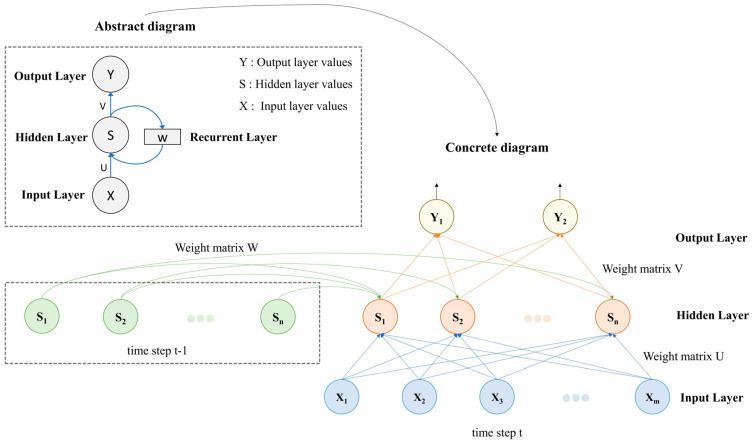
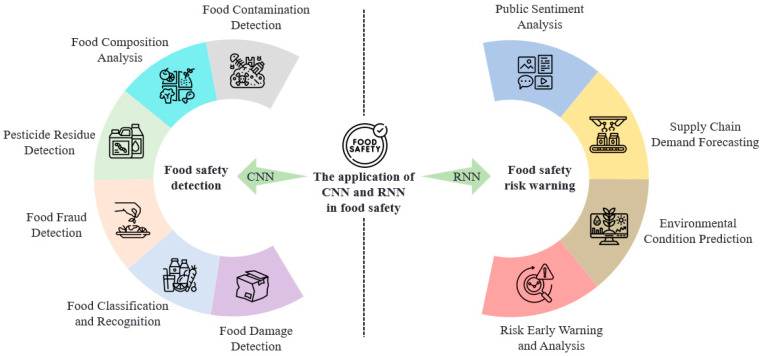
This review explores the application of convolutional neural networks (CNNs) and recurrent neural networks (RNNs) in food safety detection and risk prediction. This paper highlights the advantages of CNNs in image processing and feature recognition, as well as the powerful capabilities of RNNs (especially their variant LSTM) in time series data modeling. This paper also makes a comparative analysis in many aspects: Firstly, the advantages and disadvantages of traditional food safety detection and risk prediction methods are compared with deep learning technologies such as CNNs and RNNs. Secondly, the similarities and differences between CNNs and fully connected neural networks in processing image data are analyzed. Furthermore, the advantages and disadvantages of RNNs and traditional statistical modeling methods in processing time series data are discussed. Finally, the application directions of CNNs in food safety detection and RNNs in food safety risk prediction are compared. This paper also discusses combining these deep learning models with technologies such as the Internet of Things (IoT), blockchain, and federated learning to improve the accuracy and efficiency of food safety detection and risk warning. Finally, this paper mentions the limitations of RNNs and CNNs in the field of food safety, as well as the challenges in the interpretability of the model, and suggests the use of interpretable artificial intelligence (XAI) technology to improve the transparency of the model.
期刊介绍:
Foods (ISSN 2304-8158) is an international, peer-reviewed scientific open access journal which provides an advanced forum for studies related to all aspects of food research. It publishes reviews, regular research papers and short communications. Our aim is to encourage scientists, researchers, and other food professionals to publish their experimental and theoretical results in as much detail as possible or share their knowledge with as much readers unlimitedly as possible. There is no restriction on the length of the papers. The full experimental details must be provided so that the results can be reproduced. There are, in addition, unique features of this journal:
manuscripts regarding research proposals and research ideas will be particularly welcomed
electronic files or software regarding the full details of the calculation and experimental procedure, if unable to be published in a normal way, can be deposited as supplementary material
we also accept manuscripts communicating to a broader audience with regard to research projects financed with public funds





 京公网安备 11010802042870号
京ICP备2023020795号-1
京公网安备 11010802042870号
京ICP备2023020795号-1

 分享
分享
 求助内容:
求助内容: 应助结果提醒方式:
 扫码关注我们
