{"title":"单纳米物体的纳米流体操纵:当前进展、挑战和未来机遇","authors":"Nattapong Chantipmanee , Yan Xu","doi":"10.1016/j.eng.2024.08.021","DOIUrl":null,"url":null,"abstract":"<div><div>The manipulation of nanometric objects, encompassing both non-biological and biological objects, offers a transformative avenue for breakthroughs in diverse fields, such as chemistry, biology, chemical and biomedical engineering, materials and mechanical engineering, and various industrial applications. However, achieving accuracy, precision, and high throughput in the manipulation of nanometric objects, whether on the scale of a single nanometric entity or molecule, is a formidable challenge because of the extremely small dimensions involved. Nanofluidics has already demonstrated unique capabilities for transporting the mass of ions and small molecules at the nanoscale. We posit that chip-based nanofluidic devices provide potent strategies for the precise, accurate, and high-throughput manipulation of single nanometric entities and molecules, benefiting from their dimensions, which are comparable to those of nanometric objects. This article offers an overview of the current progress in nanofluidic manipulation of single nanometric objects. It also discusses the challenges in the development of nanofluidic manipulation technologies. Furthermore, the article explores future opportunities in the field, highlighting possible solutions to the challenges, and aims to contribute to the ongoing discourse on nanofluidic manipulation, thus propelling the field to overcome its current limitations.</div></div>","PeriodicalId":11783,"journal":{"name":"Engineering","volume":"43 ","pages":"Pages 54-71"},"PeriodicalIF":11.6000,"publicationDate":"2024-12-01","publicationTypes":"Journal Article","fieldsOfStudy":null,"isOpenAccess":false,"openAccessPdf":"","citationCount":"0","resultStr":"{\"title\":\"Nanofluidic Manipulation of Single Nanometric Objects: Current Progress, Challenges, and Future Opportunities\",\"authors\":\"Nattapong Chantipmanee , Yan Xu\",\"doi\":\"10.1016/j.eng.2024.08.021\",\"DOIUrl\":null,\"url\":null,\"abstract\":\"<div><div>The manipulation of nanometric objects, encompassing both non-biological and biological objects, offers a transformative avenue for breakthroughs in diverse fields, such as chemistry, biology, chemical and biomedical engineering, materials and mechanical engineering, and various industrial applications. However, achieving accuracy, precision, and high throughput in the manipulation of nanometric objects, whether on the scale of a single nanometric entity or molecule, is a formidable challenge because of the extremely small dimensions involved. Nanofluidics has already demonstrated unique capabilities for transporting the mass of ions and small molecules at the nanoscale. We posit that chip-based nanofluidic devices provide potent strategies for the precise, accurate, and high-throughput manipulation of single nanometric entities and molecules, benefiting from their dimensions, which are comparable to those of nanometric objects. This article offers an overview of the current progress in nanofluidic manipulation of single nanometric objects. It also discusses the challenges in the development of nanofluidic manipulation technologies. Furthermore, the article explores future opportunities in the field, highlighting possible solutions to the challenges, and aims to contribute to the ongoing discourse on nanofluidic manipulation, thus propelling the field to overcome its current limitations.</div></div>\",\"PeriodicalId\":11783,\"journal\":{\"name\":\"Engineering\",\"volume\":\"43 \",\"pages\":\"Pages 54-71\"},\"PeriodicalIF\":11.6000,\"publicationDate\":\"2024-12-01\",\"publicationTypes\":\"Journal Article\",\"fieldsOfStudy\":null,\"isOpenAccess\":false,\"openAccessPdf\":\"\",\"citationCount\":\"0\",\"resultStr\":null,\"platform\":\"Semanticscholar\",\"paperid\":null,\"PeriodicalName\":\"Engineering\",\"FirstCategoryId\":\"5\",\"ListUrlMain\":\"https://www.sciencedirect.com/science/article/pii/S2095809924005587\",\"RegionNum\":1,\"RegionCategory\":\"工程技术\",\"ArticlePicture\":[],\"TitleCN\":null,\"AbstractTextCN\":null,\"PMCID\":null,\"EPubDate\":\"2024/9/17 0:00:00\",\"PubModel\":\"Epub\",\"JCR\":\"Q1\",\"JCRName\":\"ENGINEERING, MULTIDISCIPLINARY\",\"Score\":null,\"Total\":0}","platform":"Semanticscholar","paperid":null,"PeriodicalName":"Engineering","FirstCategoryId":"5","ListUrlMain":"https://www.sciencedirect.com/science/article/pii/S2095809924005587","RegionNum":1,"RegionCategory":"工程技术","ArticlePicture":[],"TitleCN":null,"AbstractTextCN":null,"PMCID":null,"EPubDate":"2024/9/17 0:00:00","PubModel":"Epub","JCR":"Q1","JCRName":"ENGINEERING, MULTIDISCIPLINARY","Score":null,"Total":0}
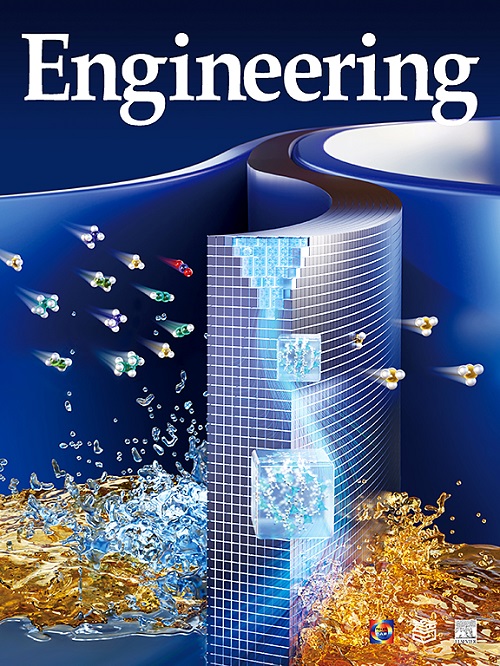
Nanofluidic Manipulation of Single Nanometric Objects: Current Progress, Challenges, and Future Opportunities
The manipulation of nanometric objects, encompassing both non-biological and biological objects, offers a transformative avenue for breakthroughs in diverse fields, such as chemistry, biology, chemical and biomedical engineering, materials and mechanical engineering, and various industrial applications. However, achieving accuracy, precision, and high throughput in the manipulation of nanometric objects, whether on the scale of a single nanometric entity or molecule, is a formidable challenge because of the extremely small dimensions involved. Nanofluidics has already demonstrated unique capabilities for transporting the mass of ions and small molecules at the nanoscale. We posit that chip-based nanofluidic devices provide potent strategies for the precise, accurate, and high-throughput manipulation of single nanometric entities and molecules, benefiting from their dimensions, which are comparable to those of nanometric objects. This article offers an overview of the current progress in nanofluidic manipulation of single nanometric objects. It also discusses the challenges in the development of nanofluidic manipulation technologies. Furthermore, the article explores future opportunities in the field, highlighting possible solutions to the challenges, and aims to contribute to the ongoing discourse on nanofluidic manipulation, thus propelling the field to overcome its current limitations.
期刊介绍:
Engineering, an international open-access journal initiated by the Chinese Academy of Engineering (CAE) in 2015, serves as a distinguished platform for disseminating cutting-edge advancements in engineering R&D, sharing major research outputs, and highlighting key achievements worldwide. The journal's objectives encompass reporting progress in engineering science, fostering discussions on hot topics, addressing areas of interest, challenges, and prospects in engineering development, while considering human and environmental well-being and ethics in engineering. It aims to inspire breakthroughs and innovations with profound economic and social significance, propelling them to advanced international standards and transforming them into a new productive force. Ultimately, this endeavor seeks to bring about positive changes globally, benefit humanity, and shape a new future.




 京公网安备 11010802042870号
京ICP备2023020795号-1
京公网安备 11010802042870号
京ICP备2023020795号-1

 分享
分享
 求助内容:
求助内容: 应助结果提醒方式:
 扫码关注我们
